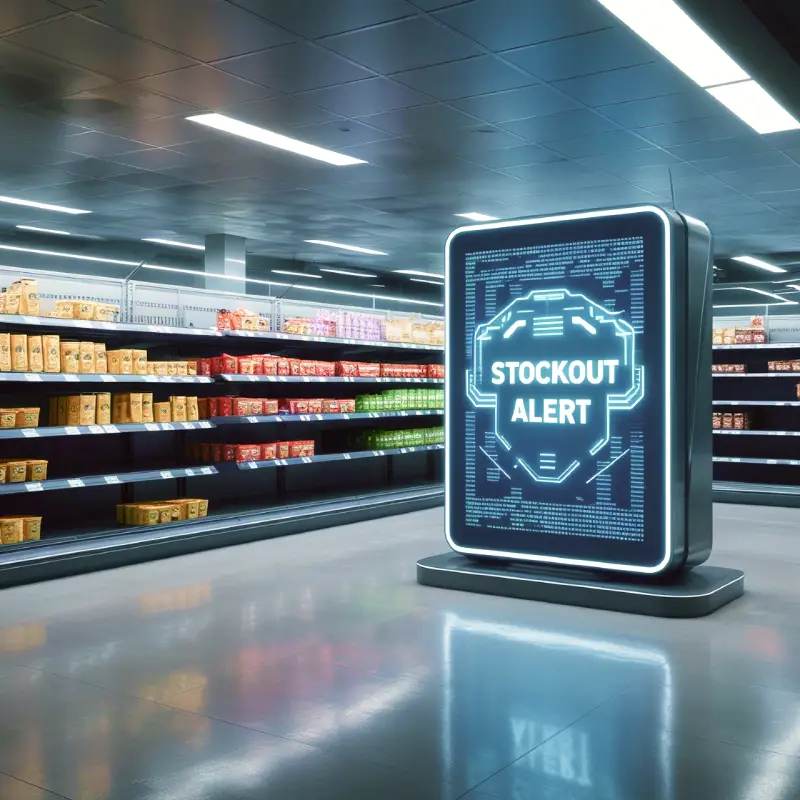


Forecasting demand for new products is like climbing a greased pole, but it is also one of the most challenging and vital parts of demand planning. If you don't predict future demand at all or do it incorrectly, this will certainly lead to shortages, excess inventory, lost profits, or deteriorating relationships with suppliers. On the other hand, well-organized forecasting can ensure success. No wonder the global demand forecasting market is growing rapidly and is expected to reach $8.4 billion by 2025, according to market research.
Let's take a look at the key challenges of forecasting, proven methods, practical frameworks, and tools needed to create forecasts with maximum accuracy.
Key Takeaways
Forecasting demand for new products will never be 100% accurate—but having a flexible approach makes all the difference.
The main task of the retailer is to minimize the likelihood of forecasting errors and hone a consistent system to ensure the success of each launch.
The best results come from combining expert insights, historical data, and smart technologies like AI.
LEAFIO AI's projects prove that AI-based solutions can provide businesses with the necessary adaptability, flexibility, and efficiency in analyzing external and internal factors.
The Unique Challenges of Demand Forecasting for New Products
There are a number of reasons why new product sales forecasting challenges retailers.

Lack of Historical sales data
When forecasting demand for new products, the biggest problem for specialists is always having a sufficient amount of historical data. This is especially true when it comes to sectors with a high rate of product turnover, such as children's goods or electronics. The short product life cycle and constant changes in the assortment require quick decisions based on accurate customer demand forecasting. In such cases, classic methods that involve manual analysis of historical data and subjective opinions based on experience will not lead to the desired result.
Market Unpredictability
Customer reactions to new products are often unpredictable. Sometimes, the audience gives new products the cold shoulder even when all the analytical data and calculations point to the opposite. That's why the demand for new products cannot be predicted 100 % of the time—there is always a chance of error due to unforeseen human factors.
Cannibalization riskpoint
When a new product displaces an existing product, it is called cannibalization. The new product always affects the sales of the existing products, which can ultimately hurt the business's bottom line. This does not apply to the introduction of completely new categories that have nothing to do with others.
Fortunately, AI-based demand forecasting software can detect cannibalization and other issues like halo effects. The system analyzes transaction and time series data at the SKU level, which allows it to identify problematic patterns and relationships.
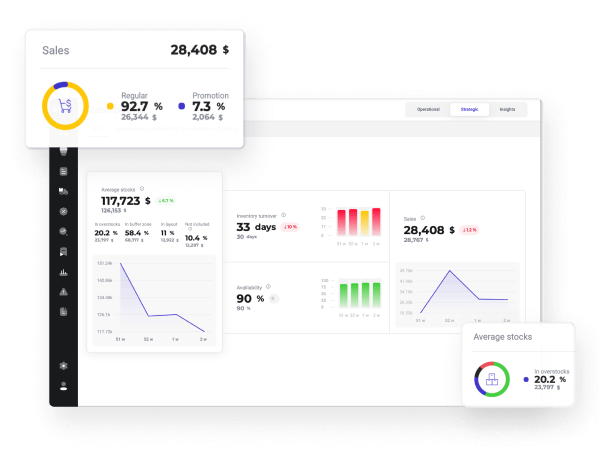
External Factors
External factors will always affect the forecast accuracy, including dynamic market trends, economic changes, holidays, and other unpredictable events (even weather and natural disasters). To come up with the right sales strategy for new products added to existing products, your forecasting approach should be comprehensive and account for all possible relevant factors.
Forecasting Methods: What Works for New Products
While there are various new product forecasting methods retailers can use, the popular ones include:
Quantitative Methods
Quantitative forecasting methods use historical data and statistical modeling to provide the most objective information possible. Such methods are suitable for businesses with rich multi-year data sets across different regions, market segments, and product lines—such data sets allow you to recognize patterns and conduct comparative analysis.
However, quantitative methods have limitations—they work on a large scale, but they can miss early signals of change. For example, they don't take into account changes in customer behavior and competitors' actions.
Qualitative Methods
Qualitative forecasting techniques rely on insights from market leaders, strategic planners, and other experts, as well as feedback from regular customers. The collected quantitative data allows us to make forecasts adapted to rapidly changing conditions. In addition, quantitative methods take into account factors such as demand trends and seasonality to improve forecast accuracy.
In practice, both of these methods have many drawbacks. However, businesses often use a combination of qualitative and quantitative methods to create both accurate and flexible forecasts.
AI & Machine Learning
With the increasing data complexity, traditional forecasting methods are becoming less useful. In contrast, AI and machine learning-based models are continuously trained on different types of data in real-time. Using predictive analysis, AI identifies industry trends, demand correlations, and anomalies that may be missed by traditional approaches. In fact, according to McKinsey Digital, AI-enhanced forecasting reduces errors in supply chain networks by 30–50 % and improves supply chain efficiency.
Modern demand forecasting solutions, such as LEAFIO AI-Powered Demand Planning Software, analyze product characteristics and group SKUs based on sales profiles, increasing the accuracy of forecasts and reducing the volume of manual processes.
A Simple 5-Step Forecasting Framework
There are several key steps that can help retailers create accurate forecasts systematically.
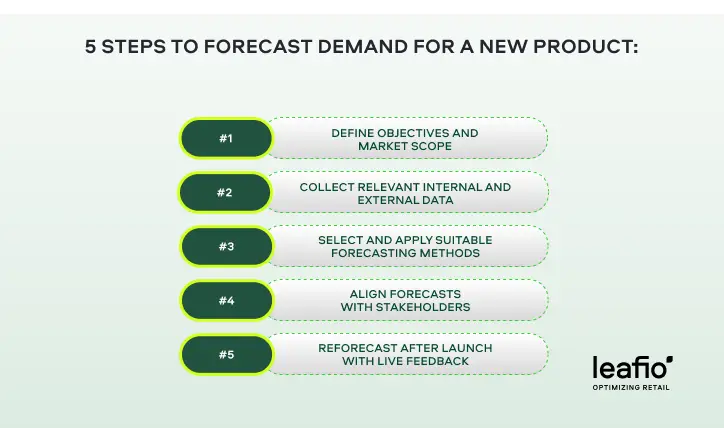
Step 1: Define Objectives and Market Scope
Determine the main parameters of the new product launch by answering the following questions:
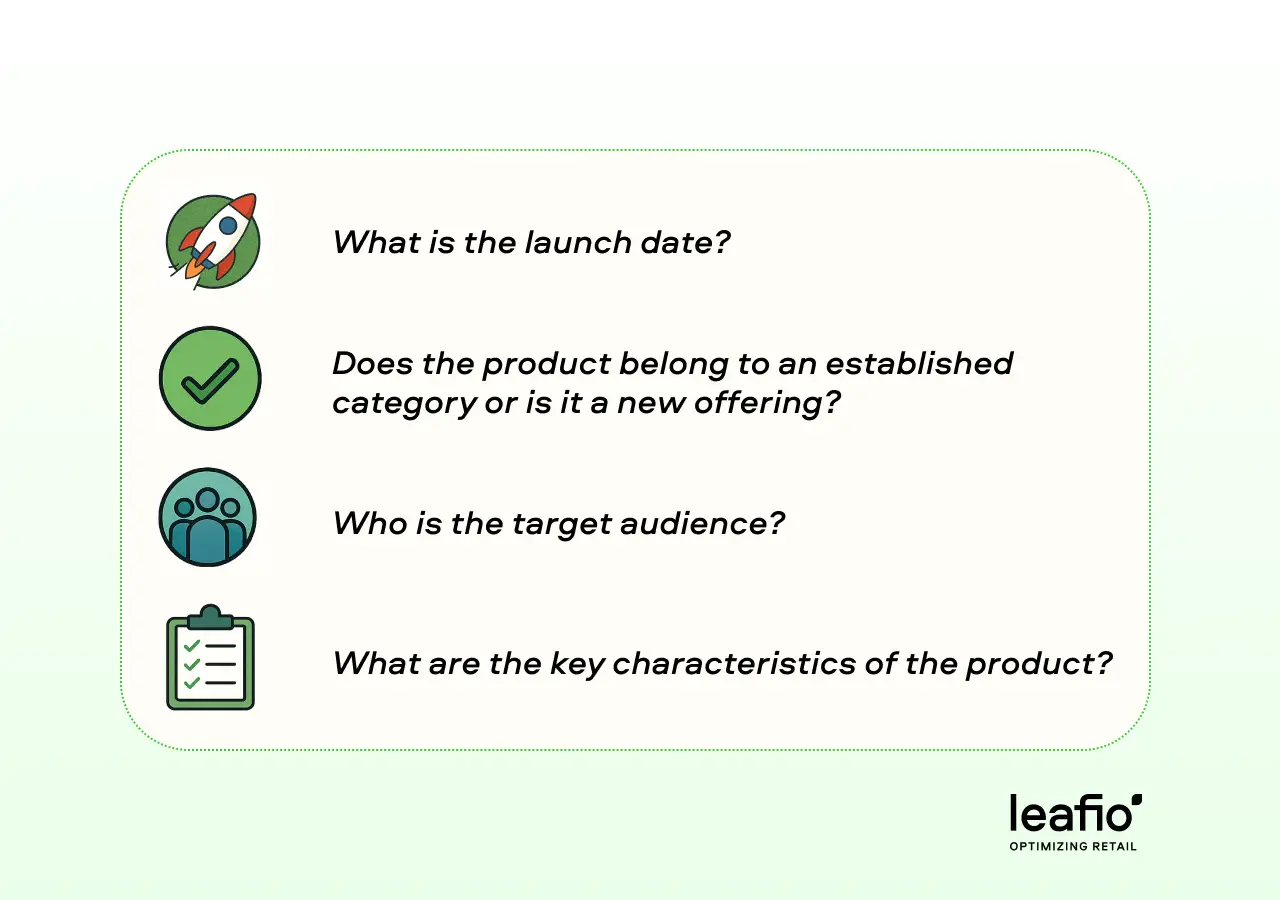
You also need to determine the level at which you plan to forecast. For example, wholesale businesses may concentrate their efforts at the regional level, while retailers may focus on the store level.
Step 2: Collect Relevant Internal and External Data
To collect relevant data, retailers should use sources such as customer interactions at point-of-sale (POS) systems, ERP, CRM, sales team input, and sales data. External data can be based on market reports, competitor data, search trends, and relevant economic indicators.
Step 3: Select and Apply Suitable Forecasting Methods
Choose a forecasting method and tools that match the product and the company's goals. You need to evaluate all the advantages and disadvantages of different methods, features of different tools, and compare how they analyze data from different sources and other factors.
Step 4: Align Forecasts with Stakeholders
Align forecasts with stakeholders: Identify who needs the forecasts, understand their needs and expectations. Then, communicate the forecast clearly to build trust and support.
Step 5: Reforecast After Launch with Live Feedback
You need to track sales and qualitative feedback (customer reviews, media mentions) and coordinate them with the members of the working group. This will give you data to train your forecasting model and improve it. If appropriate, you can reforecast on a daily basis.
Demand Forecasting Best Practices
Next, let's look at how to forecast demand for a new product to maximize the efficiency of the product launch.
Collect Data on a Regular Basis
Without accurate and up-to-date data on sales, market trends, and customer preferences, you won't be able to properly assess the demand for new products. That's why it's important to implement a reliable ongoing data collection process.
Turn Forecasting into Repeatable Process
Creating accurate forecasts requires a monthly procedure in which you will evaluate past forecasts and how they stack up against the actual market performance. You can then evaluate the top 20 % of forecasts and identify the main deviations and errors.
Use Future-Proof Demand Planning Software
Effective demand planning software is crucial for companies managing the product life cycle. For example, LEAFIO AI demand forecasting software can automatically recognize the similarities between new and old products, quickly process different types of data, taking into account consumer behavior, seasonality, market trends, and other factors.
LEAFIO AI Demand Forecasting Advantages:
- Data-driven decision making. Based on accurate demand forecasting, retailers can make informed decisions to expand their assortment and new product planning, reducing the risk of errors and miscalculations, and driving cash flow.
- Quick response to consumer demand fluctuations. Retailers can detect seasonal spikes in advance, which allows them to plan inventory levels more accurately and avoid overstocking or shortages.
- Increased sales. The system ensures maximum availability of goods and manages the assortment based on customer preferences, increasing the likelihood of repeat purchases.
- Cost reduction. Highly accurate forecasting ensures that inventory aligns with your business strategy, reduces overstocks, improves supply chain operations, and releases frozen inventory. Precise forecasts also help minimize write-offs.
Conclusion
When it comes to forecasting demand for new products, success starts with the right foundation—clear goals, relevant data, and a well-chosen forecasting method. But it doesn’t stop there. New products are unpredictable by nature, which is why it's essential to stay alert, adapt quickly, and continuously refine your forecasts based on live feedback.
Using intelligent tools like AI-driven demand planning software not only boosts accuracy but also takes the manual load off your team—giving you more time to focus on what really matters: launching with confidence and growing your business.
Ready to improve your forecast accuracy and simplify your demand planning process? Book a demo with LEAFIO AI today.
FAQ
How to forecast sales for a new product?
To forecast sales of a new product, a retailer needs to consider the following steps: define business goals and market size, collect the necessary data, choose a forecasting method, and coordinate forecasts with stakeholders. It is also important to monitor the results and reforecast after the product launch, taking into account all feedback.
What are the methods of demand forecasting for new products?
The main methods of demand forecasting can be divided into qualitative methods and quantitative methods, as well as AI & Machine Learning methods.
How to use AI for demand forecasting for new products?
AI algorithms can analyze historical sales data, consumer trends, and external factors. They enhance accuracy through continuous learning and optimization, enabling retailers to optimize inventory control, maximize profitability, and improve customer satisfaction through data-driven decision-making.


Have a question?

Kristi Miller
Retail optimization expert