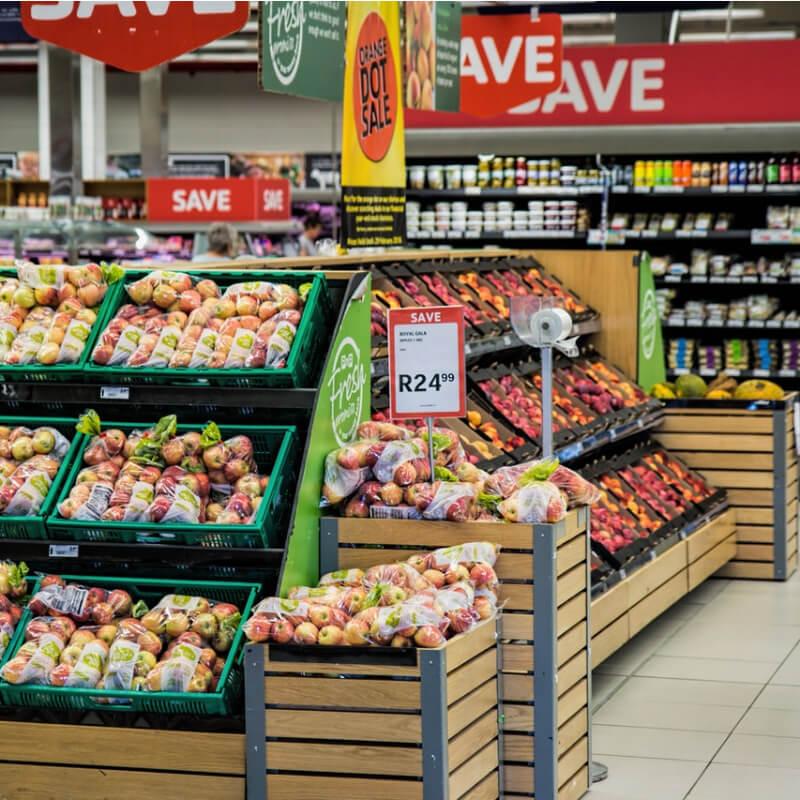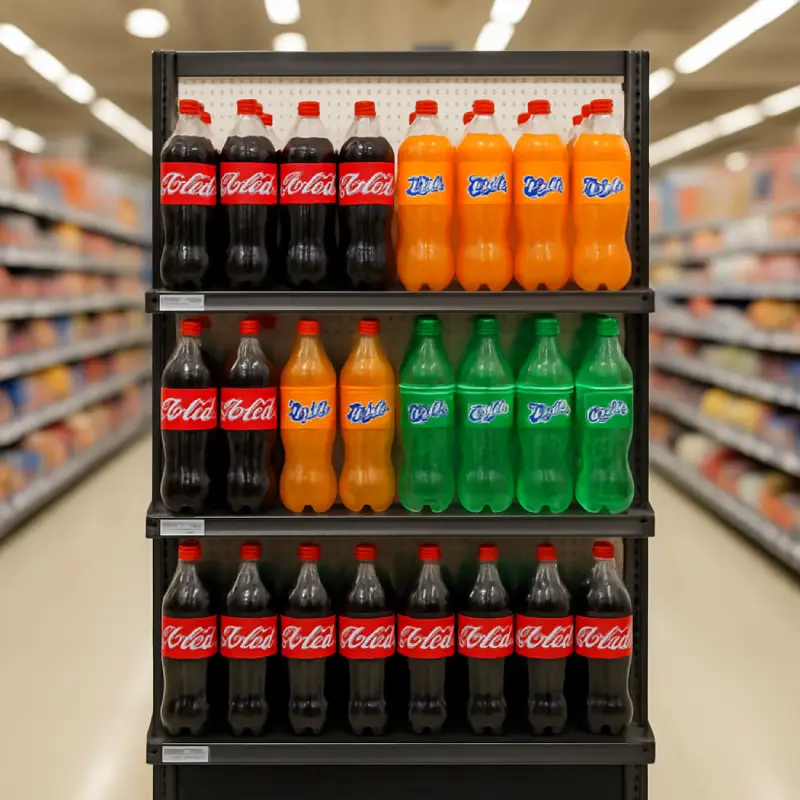


Retailers are constantly looking for ways to make the most of their selling space. One of the effective solutions that has stood the test of time is using displays located at the ends of sales aisles. These can really increase sales or draw attention to certain categories of goods. The proof of this is the growth of the in-store display market at 5.91% annually and its projected capitalization of $24.657 million in 2029.
What, then, are end cap displays, and why are they seen as a promising solution for increasing sales?
In This Article:
• What an end cap display is and why it’s a proven tool for driving sales in retail.
• Key differences between end caps and sidekick displays to help you choose the right option.
• Why end caps work so well, from smart placement to customer psychology.
• Best practices and real-world examples to inspire your in-store merchandising.
• How modern tech solutions like LEAFIO AI can optimize your end cap performance.
What Is an End Cap Display?
An end cap (also written as "endcap" or "end-cap") is a retail display unit positioned at the end of a store aisle. Unlike standard shelf space, end caps sit at high-traffic intersections, making them one of the most visible and commercially valuable spots in any retail store.
An endcap display is a specially organized space for displaying goods located at the ends of retail shelves. It has a special location at the intersection of customer flows. Therefore, the visibility of goods here is high, and this makes the place especially effective.
The Key Role of the Retail Endcap
Displaying products and influencing customer behavior are not the only objectives of the store endcap, but they do achieve these objectives in multiple ways:
- The product becomes more accessible. Shoppers move along the aisle and see interesting offers without exploring deeper sections.
- The number of purchases increases. Again, the visual availability of goods takes all the credit.
- High visibility contributes to effective promotion. That is why the end cap is the old school place to display promotional products.
Simply, location determines the specialization: such displays are used to attract shoppers to promotional novelties and seasonal products. This placement is a powerful visual magnet that can turn visitors into customers, but the final result depends on the content and design.
End Cap vs. Sidekick Displays: What's the Difference?
Retailers use many ways to present goods, but the most common are end caps and sidekick displays. Let's take a closer look at what they have in common and what is different.
Supermarket end cap displays and sidekick displays are alike in being effective tools for selling goods. However, they differ in many ways like location and in the way they are used. Here is a detailed comparison.
| Characteristic | End Cap Displays | Sidekick Displays |
|---|---|---|
| Location | Ends of store aisles (main corridors) | Sides of main shelves. Often attached as a side stack display |
| Size | Typically covers the full width of the shelf end | Compact |
| Visibility | High – due to location at the intersection of customer traffic | Medium – depends on the location of the main shelf |
| Standard Use | Placement of pop displays, promotional items, seasonal offers, high-margin products | Small items, products complementary to the main category |
| Purpose | Boosting sales for a particular product, attracting customers to promotions | Stimulating cross-sales, expanding the product range within the category |
Why Endcap Displays Work
This happens because endcap displays combine the influence of psychological and marketing factors:
- The favorable location ensures maximum visibility. This creates a “stage effect”: customers, even if they don't want to, pay attention to the display. And the products presented on it are perceived as special or recommended.
- The target audience of supermarkets already has a strong association: end of aisle displays contain promotional products. This means favorable offers and discounts, which stimulate the fear of missed opportunities.
- Each end cap display is an opportunity to implement custom retail with decorations, POS materials and attractive design. This drives sales and creates an emotional connection with consumers while bolstering brand loyalty. The best visual solutions often become the subject of discussion on social media.
Endcap Display Best Practices
To make sure that the space allocated for endcap selling is really used effectively, you should follow a few basic rules of design and organization.
Clear Thematic Focus
The display should have one idea, and it should be as clear as possible. You don't need to fill it with “everything at once” - let it be a limited number of products related to each other. Choose products that are in consistently high demand, or allocate this retail space for promotional offers or seasonal novelties.
Eye Catching Design
Make sure that the placement of the display case gets enough light. Don't be afraid of contrast. It's okay if the end cap stands out (including colors and design). If the display is dedicated to a specific brand, the classic solution is to use brand colors and POS materials.
Placement
The display case should be fully stocked and not cluttered or looking half-empty. Try to strike the optimal visual balance, find the right distance between products, and optimize the number of products on each shelf. Try modern programs for creating planograms that will help you utilize every square foot in the most effective way.
Price Tags
Use bright, distinctive price tags to capture attention, making them stand out from the standard tags in other areas. If you have promotional offers, emphasize this (for example, cross out the old price with a bold line and write the new one in large letters).
Updates
This is a classic rule of retail marketing: the exposure on such displays should be changed every 7–14 days to maintain a stable interest of customers and launch new items in a timely manner. And don't forget to track sales and analyze performance. You need to understand what sells best to sell the most.
End Cap in Retail Examples
Every day, brands and retailers create and implement interesting custom retail displays. We decided to take a look at some of them.
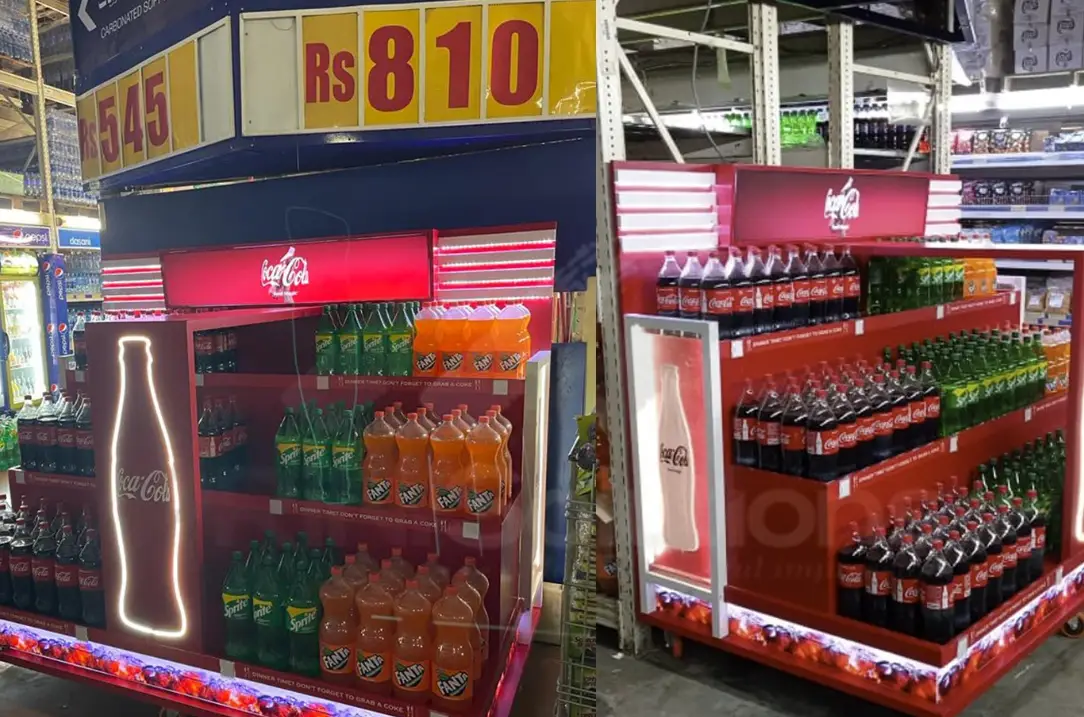
Grocery Store End Cap by Coca-Cola
It is already customary in many supermarkets around the world to create end cap displays using promotional materials, branded products, and the signature red color. This example is the result of a collaboration between designer Raheel Khan and Metro.
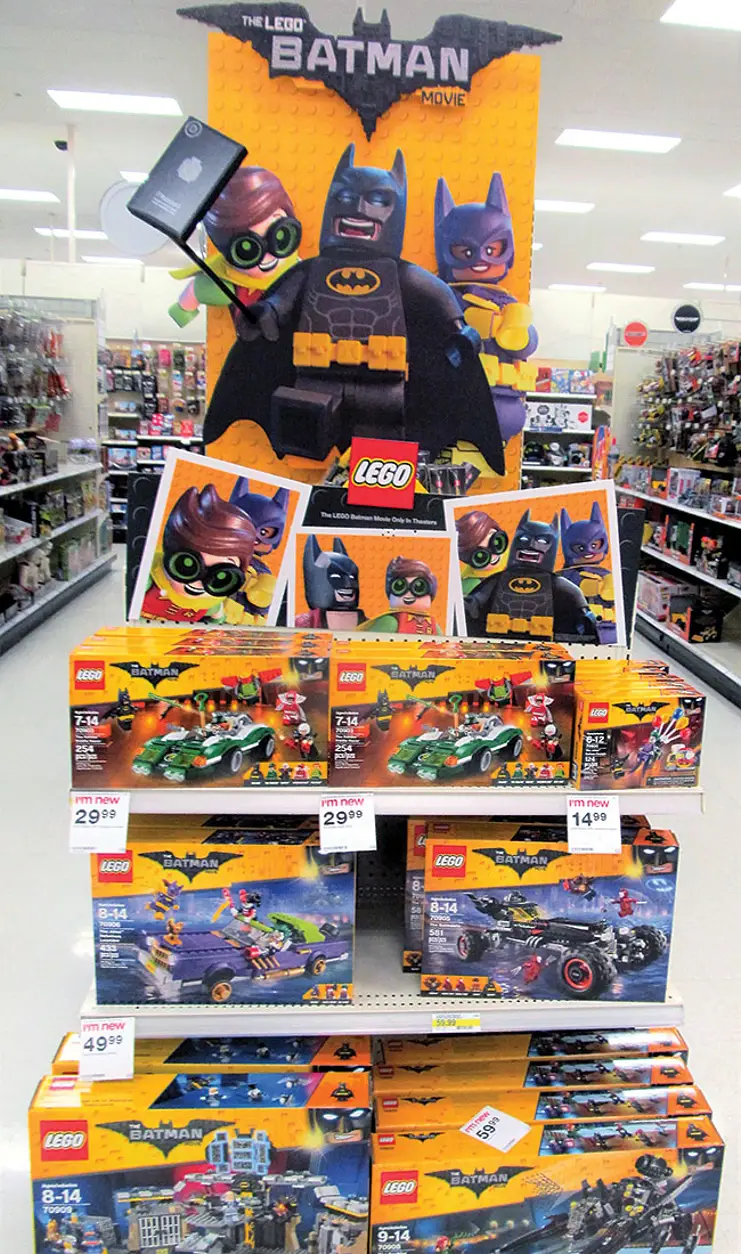
Themed End Caps From LEGO
The manufacturer offers a lot of interesting solutions for display. Themed displays dedicated to certain events or movies deserve special attention (especially if a separate collection is created for them).
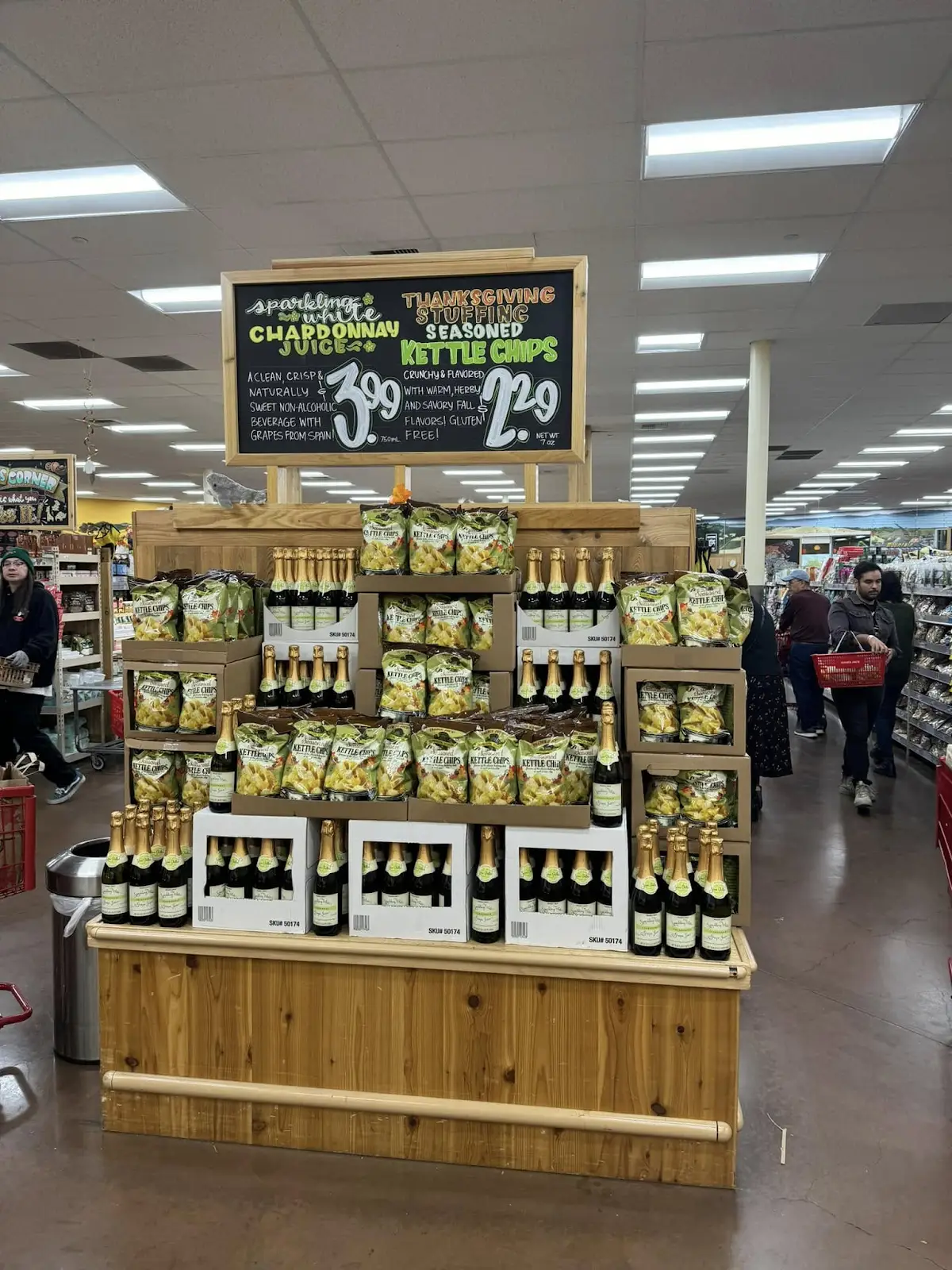
Trader Joe's End Caps
This retailer deserves special attention. Almost every one of its end caps in grocery stores becomes the subject of discussion in professional circles. Its secrets lie in its own assortment (while others outsource this space to suppliers and brands), as well as in creating unique layouts. Most of the offers are seasonal.
Enhancing Retail Endcap Displays with Technology
Of course, modern retail stores do not draw planograms manually anymore. Nowadays, there are technological solutions to improve the efficiency of endcap displays. They automate and optimize the management of retail space, including the filling of end cap and sidekick displays.
In particular, the visual merchandising platform tool from the LEAFIO AI platform can help you manage your end caps and sidekicks by:
- Optimize product selection and placement.
- Ensure planogram compliance in stores.
- Manage seasonal and promotional end cap displays.
- Enable data-driven merchandising decisions.
- Standardize execution across multiple locations.
- Use end cap planogram templates.
- Provide mobile access for field reps.
- Capture and compare display photos.
- Track compliance rates and sales impact.
Deliver an exceptional shopping experience and scale your retail performance with LEAFIO AI’s cutting-edge automation platform.
Key Takeaways
End caps in grocery stores help to increase sales and attract more customers.
The secrets to success are the right location, strategic product selection, and attractive design.
The effective combination of end cap and sidekick displays helps to capture the attention of customers and stimulate planned and impulse purchases.
FAQ End Cap In Retail
What is an end cap in retail?
An end cap is a display unit located at the end of a retail aisle. It is used to showcase promotional products, seasonal items, or high-margin goods in a high-visibility location.
What is the difference between an end cap and a sidekick display?
An end cap covers the full width of the shelf end and has maximum visibility. A sidekick display is compact and attaches to the side of the main shelf for cross-selling.
Why are end cap displays effective?
End caps capture attention because they sit at the intersection of customer flow. Shoppers associate end-of-aisle placements with special offers, which increases the likelihood of purchase.
What products are best suited for end cap displays?
Promotional items, seasonal products, new launches, and high-margin goods perform best on end caps
What is an endcap in a grocery store?
In a grocery store, an endcap is the shelf unit at the end of each product aisle. Major brands like Coca-Cola often use these spaces for branded displays and promotions.


Have a question?

Cecilia Flores Castillo
Experta en optimización de estoque