


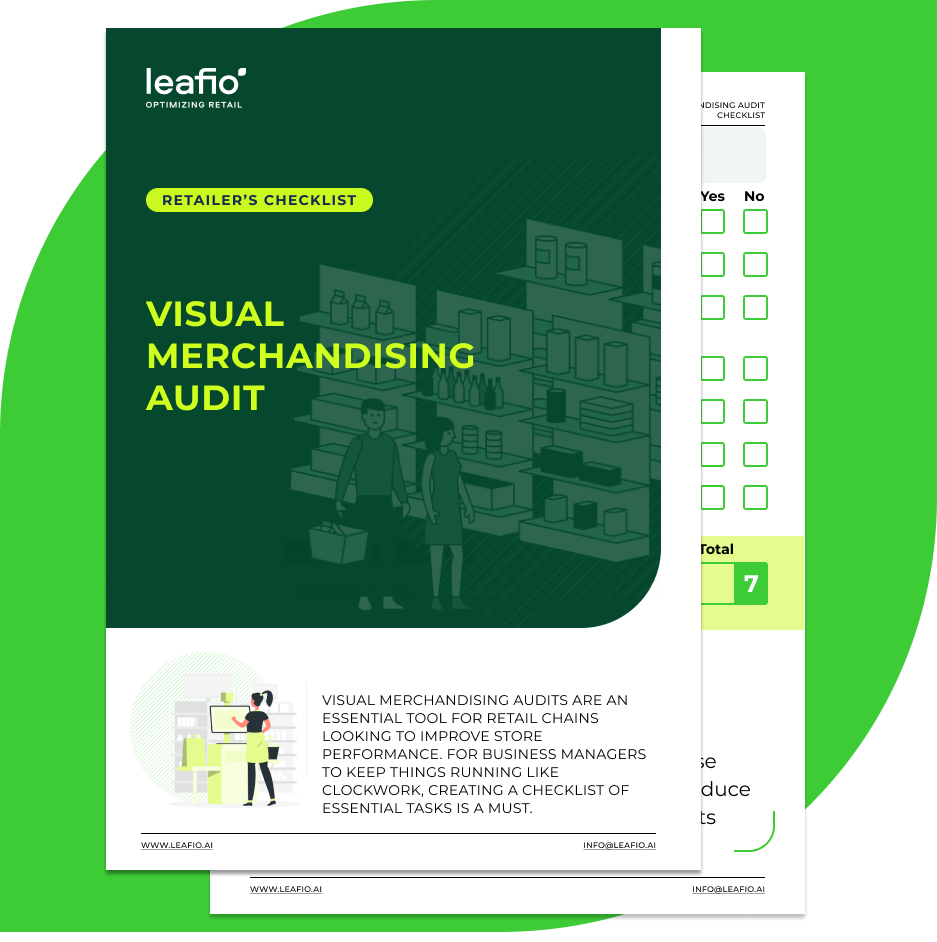
Visual merchandising audits are an essential tool for retail chains looking to improve store performance, but it's difficult to collect data regularly and implement productive changes based on it without a clear plan and evaluation criteria. For business managers to keep things running like clockwork, creating a checklist of essential tasks is a must.
Key Takeaways
Regular audits keep displays sharp and drive higher sales.
Check product facings & fill.
Verify pricing & signage.
Ensure compliance to planograms.
Look for dust or disarray.
Use checklists to standardize.
Understanding retail audits
A retail audit is a complete evaluation of a retail store operation. It helps you to understand what’s working well in your retail outlets and what needs to be improved. Here’s why performing a store audit regularly is so important. You need to:
- perform store inspections to check whether the store layout and product placement are in line with your planogram,
- keep the right stock levels,
- evaluate sales data,
- interact with customers, and understand their behavior and preferences,
- make data-driven decisions,
- ensure compliance with legal regulations and company policies,
In general, the key mission of retail audits is to increase customer satisfaction, and revenue and reduce business risks and customer complaints.
Exploring retail store checklists
An audit checklist should include several key metrics that your inspectors should follow like audit templates to get the most accurate and valuable information.
The benefits of creating a retail audit checklist:
- A thorough and consistent audit process
- Collection of detailed data to identify store conditions, frequent problems, and areas for improvement
- Employees to complete tasks quickly and correctly
- Feedback from employees on what is happening in the retail locations
- Fewer errors during audits in stores
The main components of a retail audit checklist:
- Presentation & Visual Merchandising. This kind of retail audit checklist focuses on areas like well-organized shelves, product displays, product location, and adherence to brand guidelines.
- Inventory Management & Stock Level. Retail audit checklist to monitor inventory levels, stock rotation, accuracy of product labeling, and security of high-theft items.
- Staff Performance & Customer Service. This retail audit checklist covers store managers’ product knowledge, knowledge of current promotions, and communication with customers.
- Security & Safety Compliance. A retail audit checklist related to safety regulations and emergency procedures like clear emergency exits, visible signages, fire extinguishers, and other security protocols.
Visual merchandising audit
Retail stores are no longer the default shopping channel, but 72% of consumers still rely on stores as part of their primary buying method.
"Consumers don’t have to go to a retail store anymore, they have to want to go. It’s time for retailers to refocus on creativity, store design, paying their associates well, merchandising, and visual merchandising", — Lee Peterson from WD Partners on NRF 2024 Retail's Big Show.
That's why it's so important to perform visual merchandising audits regularly and create an attractive environment that enhances product interaction. The purpose is to increase the aesthetic appeal, optimize product visibility, and ultimately drive sales through compelling visual displays.
Visual merchandising audit checklist: 5 critical components
A merchandising store audit checklist typically includes:
- Store appearance and maintenance. Check if the store is clean, organized, and free from clutter. Assess the condition of the shelf space, racks, and other display elements.
- Store exterior. Check the facade backlit or front-lit, signage, window displays performance, landscaping, and parking availability.
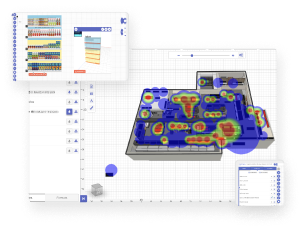
- Store layout and traffic flow. Evaluate the customer flow, product access, and merchandise placement. Evaluate the positioning of high-margin or promotional items to maximize visibility and encourage sales.
- Visual merchandising techniques. Evaluate the presentation of merchandise, including grouping, color coordination, promotional materials, and layering to enhance visual appeal.
- Staff and consumers. Examine how the staff is handling their responsibilities and remains presentable. Implement methods of collecting consumer feedback.
Conducting a merchandising audit
If you want to perform a straightforward and error-free merchandising audit, here are some handy tips:
Pre-audit preparation
You need to have a clear idea of what you want to achieve and how you're going to measure it. Your audit objectives should be specific, measurable, relevant, and time-bound. Familiarize in-store merchandisers with your retail audit expectations. Provide them with a prepared store audit checklist and guidelines so they can confidently conduct audits.
Collecting data
Various tools and techniques such as photos, videos, surveys, and feedback forms can be used to collect and interpret data. Data needs may change as new marketing strategies are implemented – update the retail store checklist as needed.
Post-audit analysis
Organize your data in an easy-to-understand format. You can use a SWOT analysis to summarize information and highlight the strengths, weaknesses, shortcomings, and possible growth points of your visual merchandising.
Implementing changes and re-audit
Based on your data analysis, create an action plan that outlines the specific steps you are taking to improve visual merchandising. It should specify the tasks, responsibilities, timelines, resources, and expected results of each action.
Make sure audits are conducted regularly. The store audit schedule should take into account the store location, date of the last visit, problems identified during the last visit, current and upcoming campaigns, etc.


Have a question?

Jack Larson
Retail Optimization Expert
