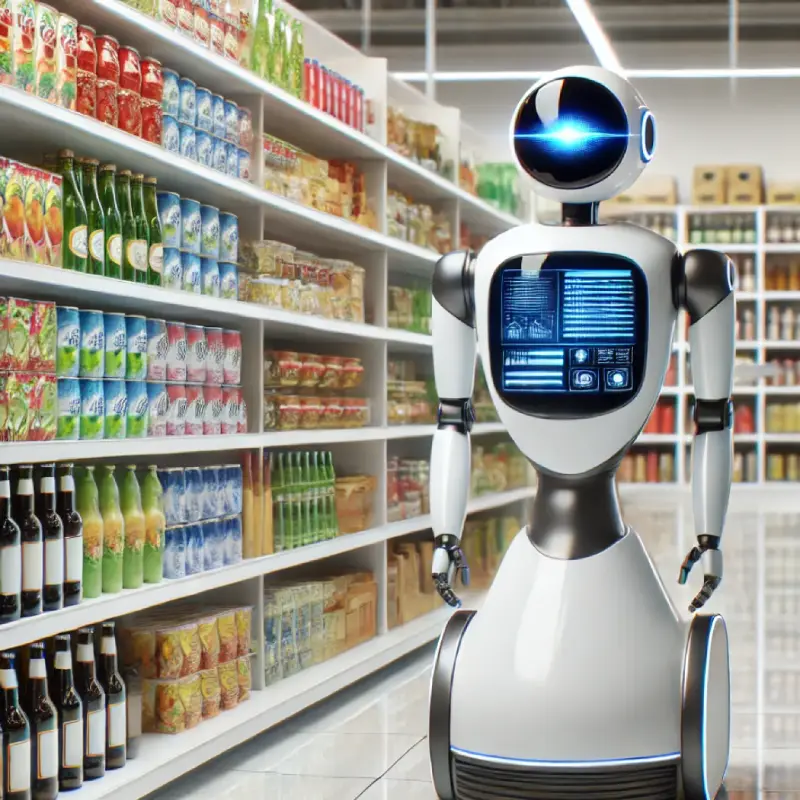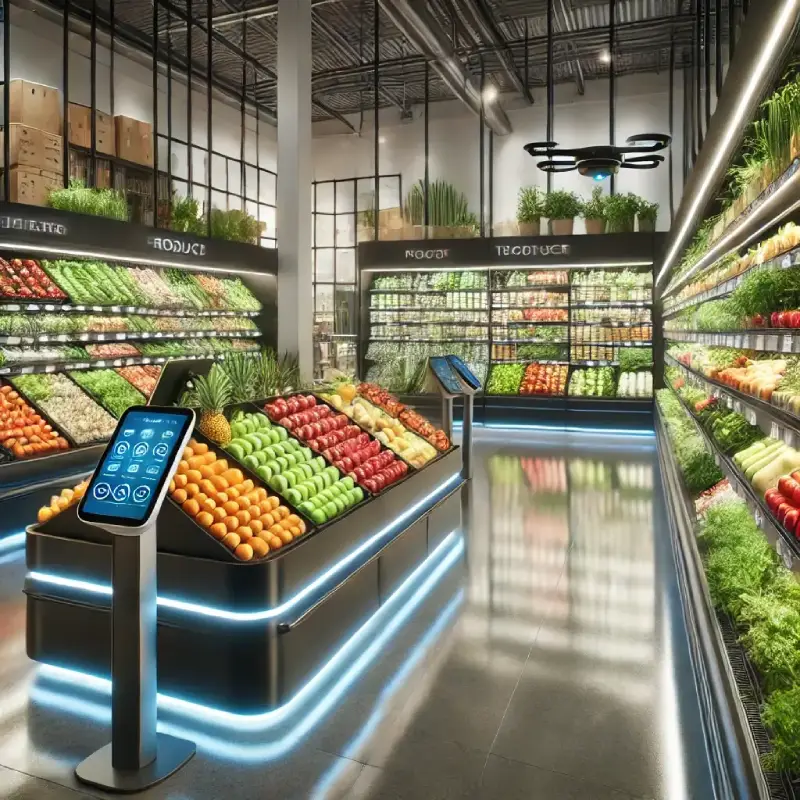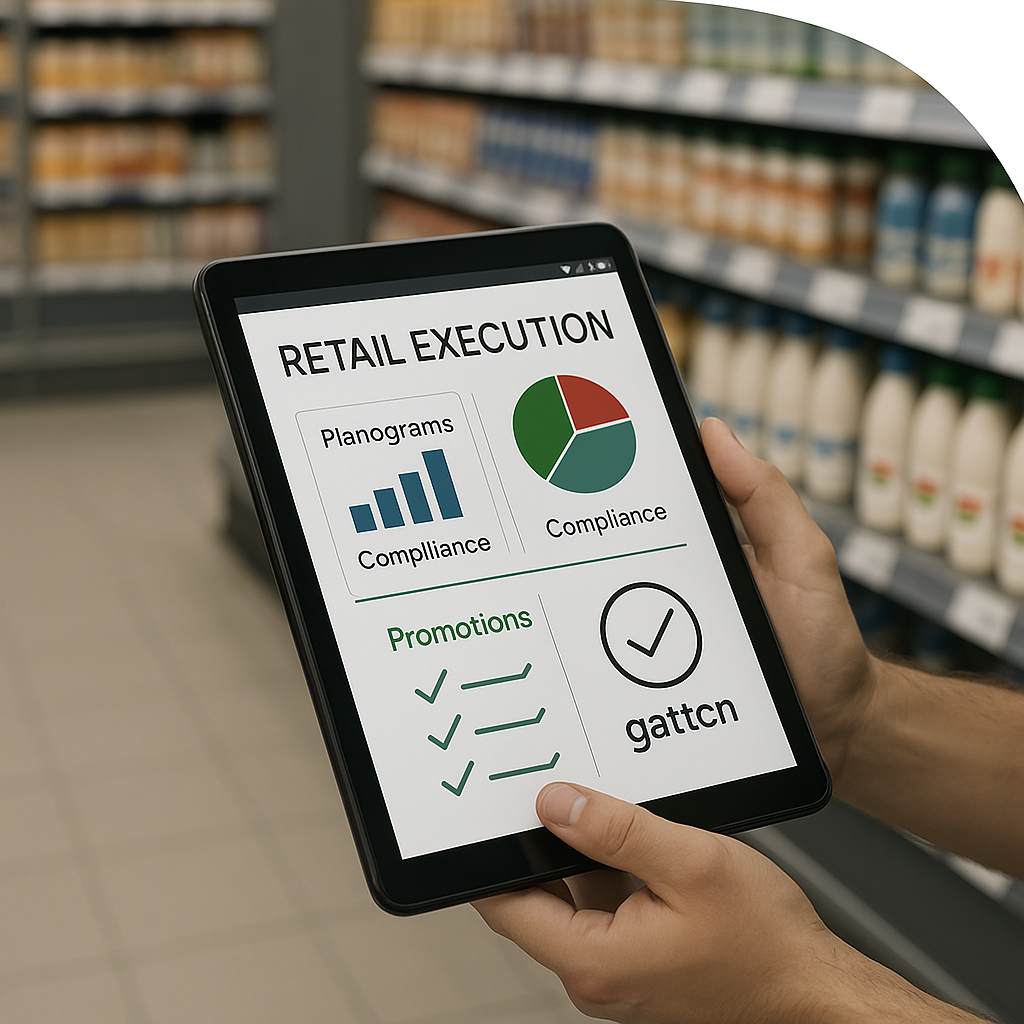

Merchandising in a retail space is a complex process that needs a lot of critical decisions to make across organizing and displaying products, store environment, layout, and much more. With AI, retailers can make informed and data-based decisions that resonate with their target audience and maximize profitability. AI/ML can help retailers offer the right products, at the right prices, in the right places, at the right time, and in the right way.
In this guide we’ll see how global and local stores are using AI visual merchandising to stay ahead of their competitors, increasing sales and reducing costs.
Key Takeaways
AI reshapes merchandising with predictive, automated, and personalized solutions.
Recommends dynamic assortments.
Automates planogram creation.
Personalizes promotions.
Predicts shopper behavior.
Supports hyper-local strategies.
What is AI/ML in retail?
AI in retail industry involves the use of automation, data, and technology to improve and optimize retail processes. AI includes using machine learning (ML) algorithms to collect data, analyze large datasets, and identify sales patterns and trends that can optimize retail strategies.
Artificial intelligence is spreading at an impressive rate. It's expected to grow by 30.3 % in the next decade, according to market researchers Fact. MR. Big players like Macy’s, Walmart and Best Buy have successfully integrated AI and machine learning in retail across the entire sales cycle, from storage logistics and inventory management to customer service.
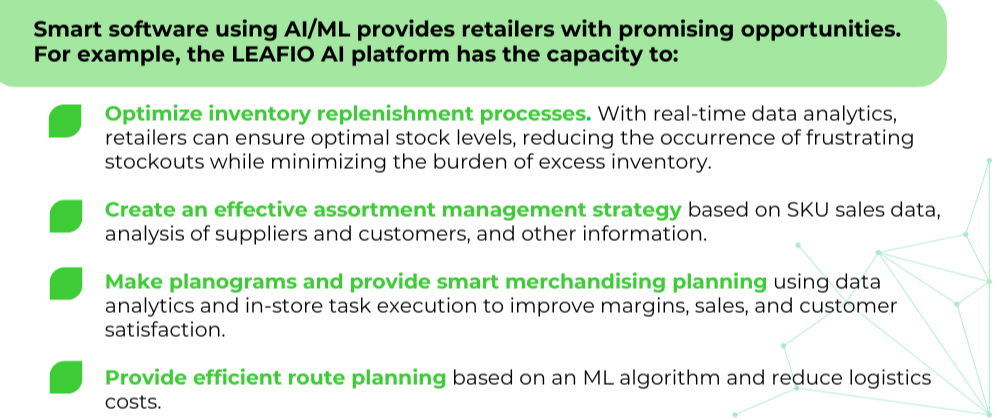
The result of using the full potential of AI software is a win-win situation: improved profitability, cost reduction, customer satisfaction, and an enhanced shopper experience through consistent product availability.
«These new-gen AI-powered capabilities further enhance our commitment to deliver better, more personalized experiences to our customers by unlocking the power of people," — Brian Tilzer, Best Buy's chief digital analytics and technology officer.
Key benefits of AI/ML in visual merchandising
AI in visual merchandising helps to create more personalized in-store experiences, improve business performance, and optimize the presentation of product collections. This includes using software based on ML algorithms, computer vision, predictive analytics, and many more AI tools.
AI retail merchandising can bring a lot of advantages to businesses, such as:
- Making data-driven decisions that help to improve your merchandising strategies and boost merchandising efforts.
- Automating merchandising processes, saving time and resources for manual repetitive tasks.
- Generating new ideas and actionable insights for merchandising to give a competitive edge and stay at the forefront of market trends.
- Analyzing past purchases, customer data, interactions with products, and customer preferences of product categories to offer highly personalized product recommendations for a better experience.
- Predicting customer behavior to drive sales and increase loyalty. Predictive AI need consumer behavior data like purchasing history or buying trends.
Examples of AI tools for visual merchandising
Let’s take a look at some AI-powered solutions to improve the efficiency of merchandising.
Empty shelf recognition
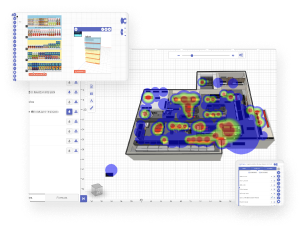
LEAFIO Shelf Efficiency software, a cutting-edge solution for planogram optimization and merchandising automation, has AI-driven empty shelf recognition. AI algorithms can detect empty shelves, significantly enhancing the efficiency of display management across all store locations. This feature includes a detailed report and a floor plan visualization that highlights empty spaces, allowing for quick resolution even in large sales areas.
Heat mapping
Artificial intelligence in retail is used to create smart heat maps to analyze store traffic. For example, Walmart employs computer vision to create heat maps — it shows which store areas receive the most foot traffic, helping them optimize product placement and store layouts. By analyzing map data, stores can determine whether the display attracts customers' attention and influences their decisions.
Smart mirrors
Alibaba and Guess have partnered to launch a concept store in Hong Kong that uses AI technology to enhance customer engagement. The store features AI such as interactive smart mirrors that allow shoppers to try on virtual outfits and purchase items through facial recognition technology.
Real-time promotional content on digital signs
Some retailers run real-time dynamic promotional content on digital signs in their stores. The content of these signs syncs with sales data and analytics to ensure a specific product won’t be advertised on screen if it is out of stock or low in inventory. For example, it is successfully used by Rotkäppchen-Mumm, the largest producer of sparkling wine in Germany.
Digital shelf labels
Thousands of Walmart's products receive pricing updates each week. That's why the company plans to integrate digital shelf labels that will allow users to update shelf prices using a mobile app, without needing to change paper tags by hand. The technology will now be rolled out to all 2,300 U.S. stores by 2026.
«Driven by our commitment to helping our customers live better, we're constantly working to create shopping experiences that are convenient, engaging and personalized», — Tom Ward, Chief eCommerce Officer, Walmart U.S.
Future trends of AI in visual merchandising
As generative AI continues to advance rapidly, the new possibilities for retail innovation are endless. We can expect to see even more sophisticated generative AI models: boosting merchandising analytics user experience.
According to Zendesk CX Trends research, 6 out of 10 shoppers firmly believe that AI will revolutionize customer service. So the main trend is to introduce a client-oriented culture at all levels of the business organization, including presentation. By leveraging data to make productive merchandising decisions and to create immersive personalized customer experiences, businesses can create a competitive advantage and foster long-lasting customer loyalty.
Conclusion
AI is revolutionizing the field of merchandising by data-driven decision-making — which increases sales and client satisfaction. As technology continues to develop, we will likely see even more innovative applications of AI in visual merchandising in the years to come. To stay ahead of the curve, retailers must start investing in the necessary software, infrastructure, and partnerships to harness the full potential of AI.


Have a question?

Jack Larson
Retail Optimization Expert