

If you go to a shoe store, you will probably find shoelaces next to sneakers and fishing attire next to fishing rods. All stores, large or small, boutiques or big box stores, go to great lengths to cross-merchandise, but why? Cross-merchandising clearly improves customer experience and increases retailer profits, so let's talk about what a successful cross merchandising strategy looks like.
Key Takeaways
Cross-merchandising grows basket size by linking needs in one zone.
Pairs complementary items.
Drives impulse by context.
Lifts slow movers with strong categories.
Uses secondary placements.
Rotates combos by season.
What is cross merchandising?
Cross merchandising is a retail strategy based on placing products from different categories together to stimulate purchases. Such products are usually complementary items like toothpaste and toothbrushes. However, there's no limit on imagination. Why not put sunscreen alongside local souvenirs in a boutique at a seaside resort?
A retailer can achieve multiple things with a good cross merchandising plan. It simplifies the shopping process for customers and – when combined well – leads to increased sales and an increase in AOV, i.e., the average order value. Other benefits include:
- stimulating impulse purchases;
- the ability to promote new or, conversely, outdated products;
- providing customers with new shopping solutions;
- optimization of the store layout for customers;
- allowing to boost sales of slow-moving goods.
The main thing is that it really does work. According to McKinsey & Company, cross-selling and category penetration technologies increase sales by 20% and profits by 30%.
5 most prominent cross merchandising techniques
The chosen cross-selling technique matters in cross merchandising strategies and analyzing your specific niche, assortment, target audience, and other essential factors. These are the most exciting techniques:
#1 Selling additional products
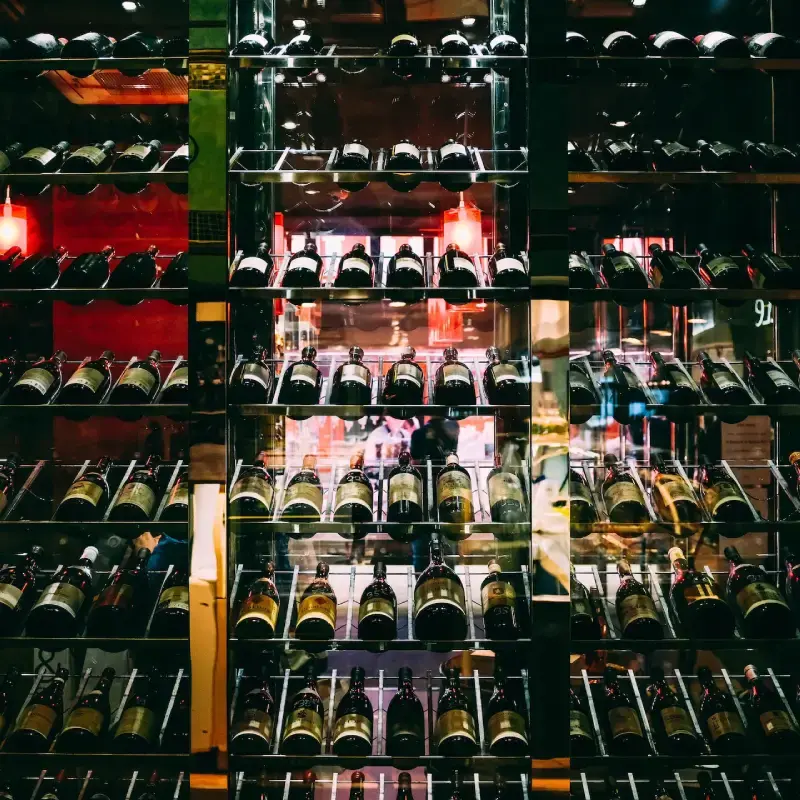
This is the most common technique to boost cross-purchases: displaying products in one area that should be used (or eaten, for example) together. Wine next to cheese, cereal next to milk, drills and drill sets – the list goes on. Logically speaking, these belong to different product categories and should not be placed side by side.
However, in reality, such placements activate impulse purchases. The user experience is also enhanced, as customers don't have to go around the store to buy ketchup when the bag of spaghetti is already in their basket.
#2 Thematic cross merchandising
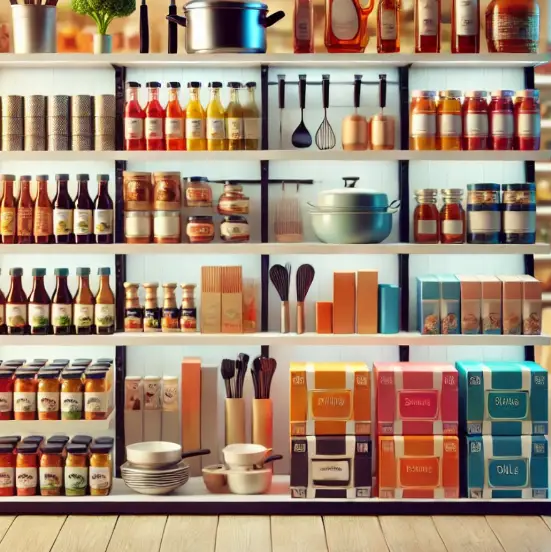
This is not about secondary product placement but products united by a single theme. Think of the display in your nearest supermarket leading up to Valentine's Day: teddy bears, heart-shaped cards, sweets, and wine are all in the same area.
Create your own solutions: for example, in the run-up to the picnic season, place fishing chairs, portable barbecues, fishing rods, and essential camping equipment close together. Thematic cross merchandising is the creation of ready-made baskets: customers can buy everything they need for a specific purpose at once.
#3 Alternative options
This strategy is especially effective if the retail chain produces its own brand of products. In this case, a possible substitute for the classic product is placed next to it to represent a cheaper version, for example.
It also works the other way round: place the cheapest product and more expensive alternatives next to it. Customers looking for a better solution will choose the second option.
Finally, it could also be unrelated to pricing: placing two versions of the same product next to each other in different forms. For example, a specific type of cheese is in the form of a large piece, and the same cheese is cut into slices next to it.
#4 The method of contrasting products
You can also establish effective cross merchandising with unrelated products. There are many relevant cross merchandising examples in retail. For example, place Christmas decor on frozen food fridges. What will this do? It will attract attention. Shoppers will be enticed to look at the display and stop. This will give them the chance to see products they might otherwise miss.
The contrast cross merchandising strategy works well for promoting slow-moving goods: for this purpose, they are placed next to products in high demand.
#5 Using impulse items
Cross merchandise products by placing inexpensive, compact products in the most visible places on the floor to boost sales. These could be small chocolate bars, jewelry, magazines, batteries, lighters, and other small items. They are usually placed in sale areas, on end displays, and other high-traffic locations. There is nothing in common between these products: they are only meant to be used by customers to supplement their primary purchases. But in practice, it turns out that these are not so insignificant: the average consumer will spend $281.75 per month on impulse purchases in 2024.
Who is cross merchandising for?
Let's look at cross merchandising examples and cross merchandising ideas in different formats to find out for whom this solution will be most effective:
- Specialized stores or gift shops. Cross-merchandising strategies help to increase sales of seasonal goods and promote new products.
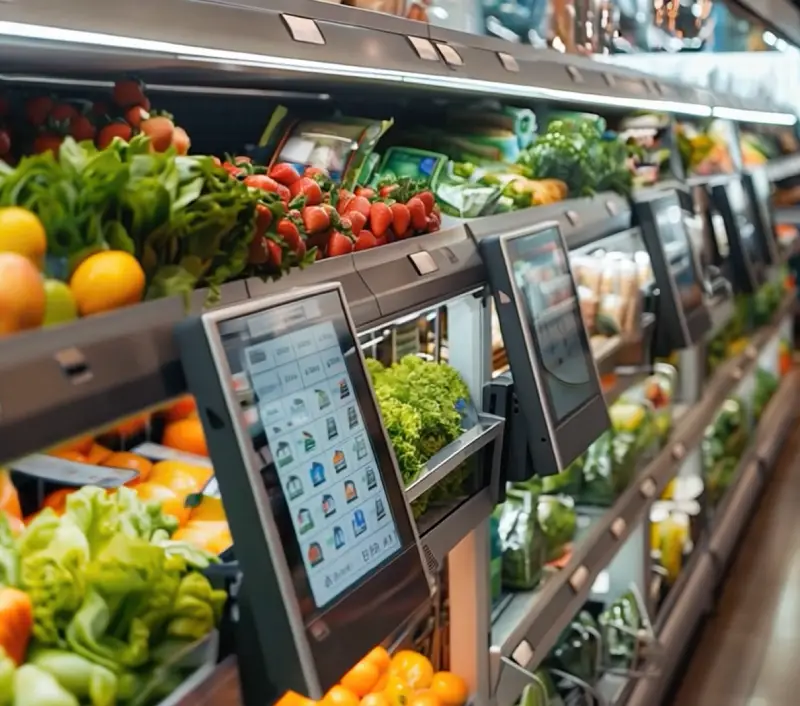
- Grocery stores. Cross-selling improves customer satisfaction and drives sales, especially for products with a limited shelf life.
- Gadget stores. One of the best solutions is promoting complementary products, such as laptops, laptop bags, stands, smartphones, and cases
- Stores of household goods. To cross merchandise effectively is to create emotions in this type of retail store. Just think of the fascinating showrooms of famous brands: they are perfect in design. You can also interact with them: sit in the chairs or switch on the lights.
- Department stores. Related merchandise can be displayed in these stores according to a theme, style, or specific occasion. The retail space allows you to create locations for thematic cross merchandising, which we discussed above.
How modern solutions increase the efficiency of cross merchandising
The theory seems solid, but will it work in practice? How does one decide about the same display of related products? Can the planogram execution be controlled? What about the effectiveness? Modern retailers rely on software solutions based on artificial intelligence and machine learning.
In particular, LEAFIO Shelf Efficiency, visual merchandising software, can improve cross merchandising. It can optimize product mixing processes, improve customer loyalty, and increase sales. Here's a breakdown of what it can do:
Data-driven product placement
Based on customer data and sales data, the system determines which products are most often bought together and provides recommendations for strategic product placement.
Planogram automation
The program automates the process of creating cross-merchandising planograms. It shows where to place related products and creates a coherent exposition to guide the customer.
Real-time adjustments
At the same time, you can check and change decisions in real time: for example, update information based on sales figures, customer trends, or seasonal needs.
Customer experience enhancement
The software helps to create visually appealing displays using design tools. They take into account consistency, creativity, and branding features. These displays make it easier for customers to find new combinations of products that they (in all likelihood) have not yet considered together.
Analytics and reporting
Of course, users have the opportunity to evaluate the effectiveness of cross-merchandising based on sales and revenue figures. This can be used to make further decisions and improve efficiency.
Conclusion
Cross merchandising as a strategy is a powerful strategic opportunity to increase sales and meet customer needs. Combining thematic or complementary products makes buying more accessible and promotes the right products. As a result, you increase the average check. Also, don't forget that your competitors are likely using cross merchandising software already. Don't ignore new opportunities: make combining products on the shelves more efficient.
FAQ
What are some examples of cross merchandising in the retail business?
A Halloween-themed display is the perfect example of organized cross-merchandising: decorative candles, masks, small decor, and sweets are all in one themed display case.
Why does cross merchandising work?
It significantly saves customers' time, inspires them to make additional purchases, generates new ideas, and provides ready-made solutions. This contributes to the growth of the average check.


Have a question?

Jack Larson
Retail Optimization Expert