

Emotionally engaged customers don't just buy, they come back for more, spend more, and tell their friends about it. In a highly competitive environment, making an emotional connection comes first, and the trends in sales have been reflecting that. Sales have long been about much more than just offering customers the products they happen to want.
According to Gallup, 70% of consumer decisions are based on emotions, particularly brand loyalty. So how do you organize in-store customer engagement? Marketing and loyalty programs might come to mind first, but they are not enough. Planning, product availability, and even shelf positioning are also important, and that is what this article is about.
The Role of Planograms in Shaping Customer Experience
Store organization plays a key role in shaping customer impressions and customer loyalty. You can substantially improve the shopping experience with effective engagement strategies.
Visual appeal and the ability to interact with the product
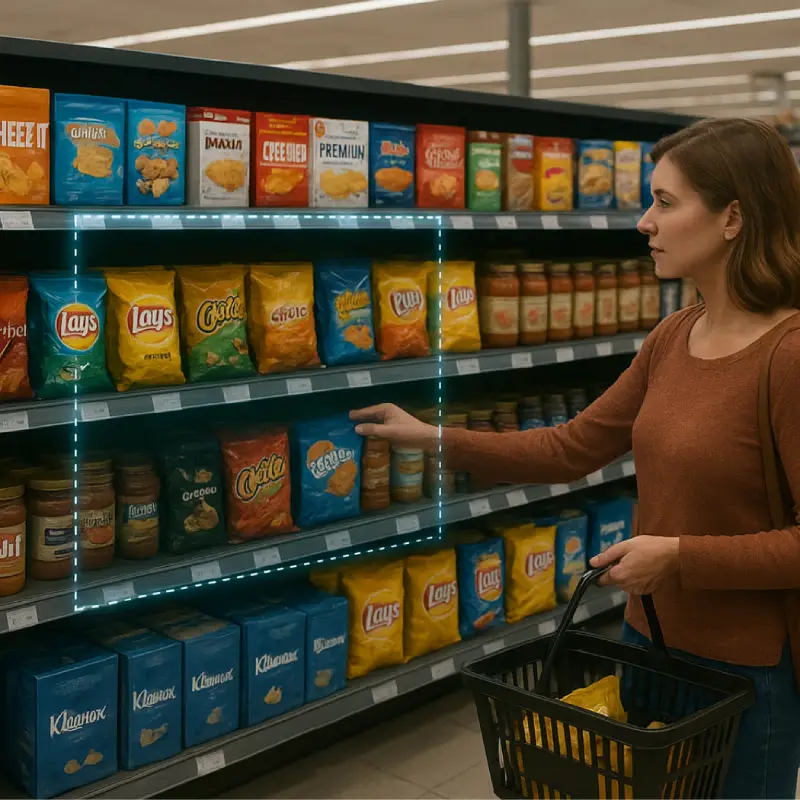
One of the most important functions of planograms is to drive customer engagement. The correct placement of top products, clear zoning, and maintaining a logically organised space for convenient navigation all help to quickly find the right products and encourage impulse or repeat purchases at the same time. That way, buyers enjoy comfortable shopping conditions, while the retailer sees an increase in average basket size and customer retention rates.
Rational use of available space
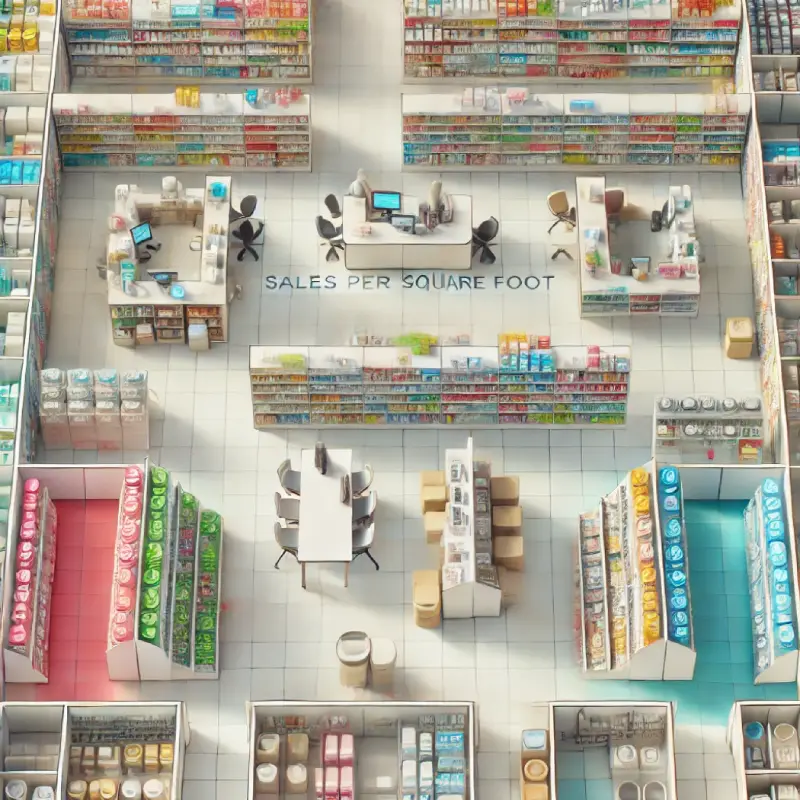
Replace chaos with a clear structure for placing products according to sales per square meter, and customer satisfaction will go up since a properly organized environment creates a feeling of comfort. The aisles are free, the products are accessible, and the most interesting items are immediately noticeable throughout the entire customer journey. At the same time, the goal is maximum visibility for high-margin product items and a reduced risk of overstocking slow-moving goods.
Adaptation to customer feedback and customer experience
Even the best floor plan cannot remain static. It must be constantly improved based on data about customer behavior or even direct feedback. Analyzing interactions with shelf space helps to adjust the layout and respond not only to seasonal trends but also to local preferences and temporary trends (for example, influenced by social media). Adaptive layout changes create a sense of excellent customer service (personalized service) for the customer and increase customer satisfaction.
Updating Planograms to Keep the Store Fresh
Customer expectations include variety and novelty. Research has shown that 58% of consumers worldwide say they buy more brands in more categories than ever before. Another 58% of existing customers say that the store or brand does not matter: they will only buy what interests them. So if the assortment is static, modern shoppers might just go elsewhere without giving it a second thought. Luckily, there are some ways of getting more potential customers in your store and updating your floor plans in such conditions:
- Create a sense of urgency with seasonal novelties, trendy products, and limited flavors.
- Analyze sales, measure customer engagement, test new products, and update planograms accordingly.
- Review planograms in high-turnover categories every month, and in all others every 3 months.
Aligning Planograms with Sales Trends & Data
If you are hoping to improve customer engagement in retail through changes in planograms, it is not a pipe dream, and these are just some ways of getting it done.
Microzoning based on buying signals
You need not always do a global review of the planogram. In an environment of frequent short-term trends, it is more practical to create microzones for quick adaptation to specific changes in consumer behavior.
AI-based testing of placement in High-Engagement Zones
In traditional retail, products to be tested are placed on the end-cap and in the strike zone. The selection is made manually, based on agreements with brands. Clearly, this method does not take into account buyer behavior. Innovative retail customer engagement involves a preliminary study of customer interaction with products and data analysis using AI. It looks like this:
- Collecting data about meaningful interactions with shelves.
- Creating two versions of planograms with the placement of a new product for testing.
- Determining which planogram works better.
- Making a decision for the entire store or chain.
Implementation of Dynamic SKU Rotation Protocols
Modern software tools allow you to automate rotation. You can set a threshold rule for each product or product category: specific sales percentage values. If the threshold is exceeded—for example, sales have fallen by 15%—it will automatically trigger the process of changing the planogram. Decisions depend on the specific situation: moving to a more prominent place, replacement, etc. This creates a sense of novelty and stimulates emotional purchases, which are so important for customer engagement in retail as in any business.
Changing the logic of category structure
For retail customer engagement, it is worth grouping products not by type but by scenario. Owing to modern monitoring and analysis tools, you can start thinking like a buyer and form groups of products for specific situations. If many people buy the combination of a bottle of soda and a sandwich, it is worth placing these products next to each other and creating a “Light lunch” zone along the path of the customer journey.
Beyond the Shelf: Enhancing Engagement with Omni-Channel Signals
Today, a loyal customer base sets its own terms for purchases. The pattern can be anything: social media interactions, online shopping, or something else. In order for a customer to reach the shelf, they need to be supported and accompanied across multiple communication channels, just like ecommerce brands do. This means studying buyer behavior, customer lifetime value, and adapting an omnichannel strategy to their needs. Analysis will also help make changes to the layout.
How? Suppose that behavioral analysis shows that they like to order coffee directly in the store. Placing a coffee machine and a snack shelf near the checkout area will increase the average check and enhance customer engagement.
Best Practices for Retailers
How to create a retail customer engagement strategy in the context of working with planograms? You will need customer data and sales data, as well as special software for processing information. This is enough to:
- Create personalized customer experiences and personalize planograms according to shopping scenarios, and create microzones for specific frequent requests.
- Create a unified view of the product in the retail store, on the website, and in the mobile app: with the same logic of categorization and selection.
- Implement scenarios for End-Cap: seasonal, branded, time-limited, etc.
- Create “virtual baskets” directly in the store: if a product is out of stock, the customer can scan QR codes in store on the shelf and order it online with delivery.
- Turn shelves into visual carriers of your brand values: for example, create a category of sustainable products.
Implement modern approaches to merchandising with LEAFIO AI
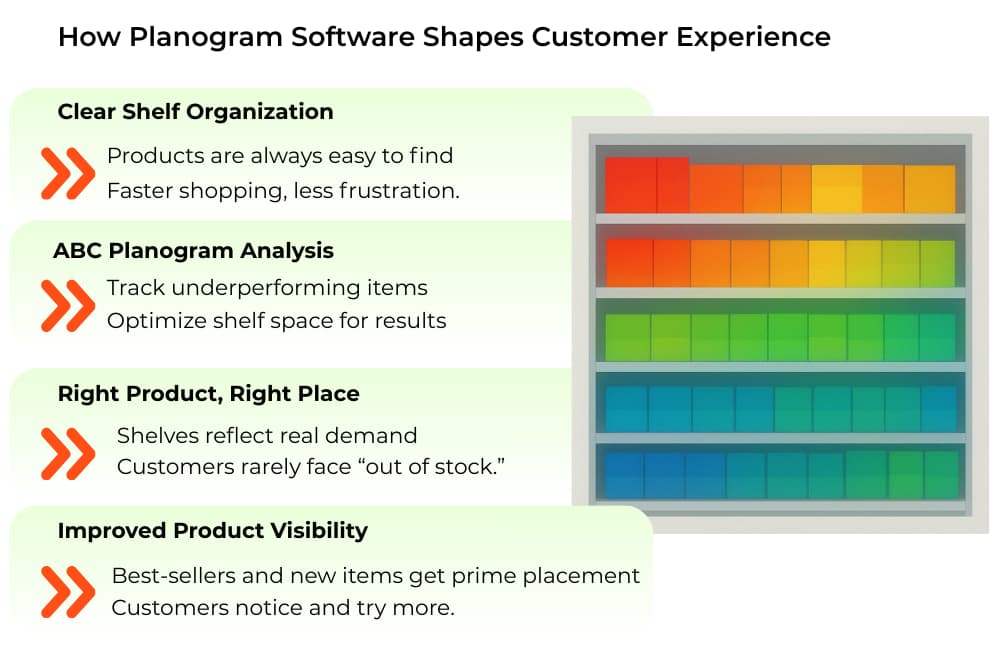
The retail visual merchandising software transforms traditional floor plans from static shelf layouts into a dynamic tool for implementing effective customer engagement strategies. Thanks to synchronization with real sales data and consumer pattern analytics, the system allows you to create shelves that remain relevant and attractive at all times.
- LEAFIO Planogram software analyzes sales and customer traffic data to quickly update the layout.
- The system optimizes product proximity and eye-level placement, helping new customers find new or complementary products faster.
- Through demand analysis, LEAFIO automatically adjusts the number of facings for each SKU.
- The system takes into account local factors (seasonality, demographics, cultural characteristics) and adapts planograms to a specific store or cluster.
- New promotions, product launches, or seasonal campaigns are updated in stores quickly and synchronously.
- The tool allows you to experiment with different planograms and track which ones are better at retaining attention, stimulating shelf take-off, and increasing the number of items in the basket.
- Using AI image recognition, the system checks the shelves for compliance with approved planograms so that the layout always matches the category manager's vision.
The tool also tracks key layout performance indicators (conversion rate, units per visit, attach rate) and uses this data to generate recommendations for the next optimal layout.
To Sum Up
Customer engagement, important or not? It’s the key to a competitive edge in the retail industry. On top of that, it helps encourage customers. That is why it is important to move away from traditional approaches and implement new technologies. Tools based on artificial intelligence and machine learning can simplify and automate processes and transform shelf space into an adaptive and promising environment for achieving business goals.
Explore how LEAFIO Shelf Efficiency solutions can help you improve planogram management, increase customer engagement, and boost sales. Learn more about the tool and sign up for a product demo now.


Have a question?

Cecilia Flores Castillo
Experta en optimización de estoque