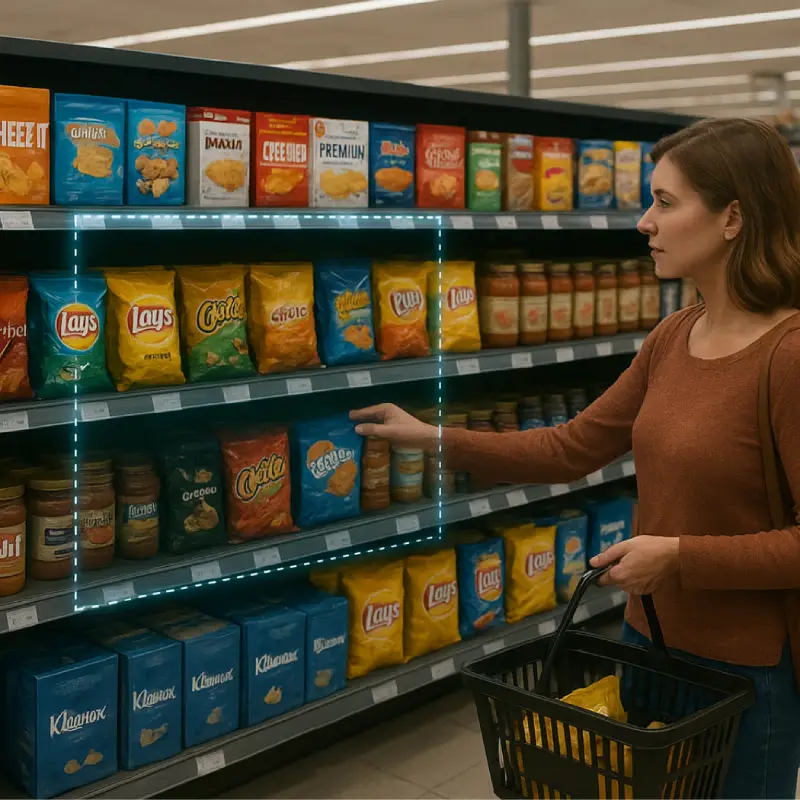
Every store owner dreams of this: that a customer comes in (they think) just to buy milk and leaves with a full basket of groceries. This is the essence of impulse purchases, and they occupy a significant share in retail. It is known that in 2024, the average consumer will make 9.75 impulse purchases per month and spend $28.90 on each one. For retailers, this is an opportunity to create a shopper's paradise, where they get additional benefits and customers satisfy their emotional needs. Let us tell you more about it and share tips for increasing sales.
Key Takeaways
Well-planned layouts trigger impulse buys and boost basket value.
Place small, attractive items near checkout.
Use secondary displays for promos.
Keep paths intuitive yet explorative.
Rotate displays to stay fresh.
Align planograms to shopper psychology.
What are the two types of unplanned purchases?
What is impulse buying? Basically, there are two types of unplanned purchases.
The first type is impulsive purchases. In these cases, impulse spending happens spontaneously and without a plan while under the sway of emotions. Typical impulse buying examples include customers coming in for a baguette and then buying a chocolate bar at the checkout. Or a customer buys rice but adds sauce to the basket at a promotional price (which just happened to sit right next to the rice). These are the purchases we are talking about in this article.
The second type is reminder purchases. These cases of reminder impulse buying occur when a customer sees a product in a store and remembers that he or she needs it. For example, they notice peanut butter on the shelf and realize that they are running out.
However, let's not confuse emotional shopping and compulsive shopping. It's not about supporting a mania but about directing customers and stimulating sales.
Psychology of impulse buying habits
Each impulse purchase is primarily the result of certain triggers caused by lighting, color, smell, and music. They influence the buyer's subconscious and lead to unplanned decisions. In addition to the influence of the environment, impulse buying is influenced by:
- Emotions – joy at seeing a bargain price, nostalgia caused by the sight of a ready-made dish that mom used to make on Sundays, an irresistible desire to buy a product and its instant gratification – this makes you want to “buy here and now”;
- Social factors – customers often make impulse purchases when they see others in the sales area literally snatching up similar products.
How to control impulse buying
To control impulse buying behavior, you need to take care of product placement, marketing strategies, staff behavior, and, of course, the use of new technologies.
Product placement to stimulate impulse shopping
At least three strategies should be used to increase impulsive buying:
- Place products in “golden zones”. These are shelves at eye level, the ends of shelves, and the area near the checkout.
- Use the principles of cross-merchandising. Create combinations of products that organically complement each other.
- Update the layout. This is especially important for stimulating impulse buying among your regular customers.
Using “smart marketing” for impulsive shopping
Often, impulse purchases are caused by a favorable price for a product and the desire to save money. The power of suggestion impulse buying is particularly evident in retail stores, where customers are prompted to add items to their carts as they shop. Also, try a time limit like “one-day specials” or “happy hours”. Attract attention with an unusual layout or other presentation options.
Staff training
Managing pure impulse buying behavior is an important mission for salespeople. Ideally, the consultant knows how to suggest a product unobtrusively: for example, using the phrase “This product will go well with what you have chosen” or “You have made a great choice. Would you like to try our new product?”.
These are just two simple examples. There are many more rules for building communication to increase impulse buying. Therefore, invest in training your staff and, of course, don't forget about incentives like bonuses for fulfilling the sales plan.
Comfortable conditions
Manage customer behavior and emotions with lighting, music, and smells. For example:
- warm light creates coziness;
- light accents on certain products attract attention;
- slow, rhythmic music is conducive to leisurely walks around the store;
- the smell of fresh pastries and coffee evokes pleasant associations.
This helps create an environment where every customer feels relaxed and ready to make an impulse purchase. Your job is to create additional conditions for these impulse buyers that will lead to successful sales.
New technologies
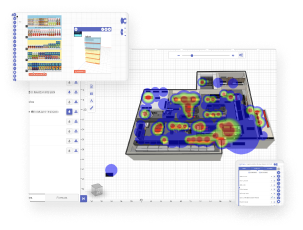
Utilize modern opportunities to encourage impulse purchasing. For example, install digital screens that recommend additional products or inform the consumer about promotions. Systems that can analyze customer behavior and make recommendations for better product placement will also help.
Create attractive displays with LEAFIO AI
LEAFIO AI, a powerful platform for retailers, offers opportunities to effectively increase impulsive spending. In particular, the LEAFIO Shelf Efficiency tool provides:
1. Optimal product placement. The Planogram program provides recommendations for placing popular products in high-traffic areas.
2. Cross-selling opportunities. The software suggests how to place products for cross merchandising.
3. Seasonal and promotional displays. Customize them according to limited offers, new products in the assortment, or seasonal changes.
4. Improved flow and navigation. The program organizes the placement of products on the floor in such a way as to guide customers through the store, leading them past impulse purchase areas, increasing access to additional products that they may not have originally planned to purchase.
5. Strategic use of small items in waiting areas. The program will give you tips on how to place snacks, accessories, or everyday goods near waiting areas and checkout lines.
6. Highlight new or limited edition products. Showcase new or limited edition products to create a sense of urgency and exclusivity.
7. Create attractive displays. Grab the attention of customers and encourage them to make spontaneous purchases based on visual perception alone.
Conclusion
Impulse buys are a great opportunity to increase business performance. To use the key takeaways, impulse buying means choosing the right psychological triggers, implementing marketing strategies, integrating modern digital solutions, creating a unique experience for your customers, and improving brand loyalty. Last but not least, you need to adapt to the needs of your target audience, which can be done through experimentation and unexpected solutions.


Have a question?

Jack Larson
Retail Optimization Expert