

Picture today's retail landscape as an intricate labyrinth, where each winding turn and shadowed corner leaves the shopper somewhat adrift in a sea of choices. To stand out, you've got to understand your product categories. But the question looms: how does one traverse this intricate maze to gather and present an impeccable product assortment?
A study by McKinsey & Company found that companies that use category management and market data to optimize their business operations see an average sales volume increase of 10–15%. Their shelves end up stocked with the right products to keep customers coming back for more.
Are you a category manager struggling to keep track of inventory, and optimize product placement, or customer preferences within each category? This guide will give you the information and tools that you need to excel in category management. Step by step, we'll walk through the process, explore the benefits, and introduce you to software solutions to remove obstacles on your journey.
Key Takeaways
Category planning balances shopper needs with profit objectives.
Defines clear roles (traffic driver, margin builder).
Avoids duplication in assortment.
Uses shopper insights to refine.
Coordinates promos across categories.
Monitors with sales & GMROI.
The Category Planning Process
Getting the ball rolling requires a comprehensive understanding of the business unit you're dealing with before you begin optimizing the product assortment and strategies. This involves conducting a thorough assessment that encompasses various elements.
Market Trends
Identify the latest trends that might be influencing customer behavior and product demand. Stay ahead of the curve by understanding what's driving consumer preferences in your category.
Consumer Insights
Analyze market research, sales reports, and customer feedback to catch a glimpse of your customers' minds. These insights will help you tailor your product assortment and strategies to resonate with your target audience.
Competitor Strategies
Analyze your competitor's approach within the particular category. What products are they offering? How are they pricing and promoting them? Understanding their strategies can help you identify opportunities to differentiate yourself and gain a competitive edge.
Internal Sales Data
Don't leave your internal data just lay idly by. Leverage it to gain valuable insights into past performance. Analyze sales trends, identify top-selling products, and uncover areas for improvement. This data will inform your decisions about product assortment, pricing, and promotions.
A thorough analysis provides the insights needed to make informed decisions in subsequent steps, guaranteeing that your strategic sourcing efforts are in sync with market trends, consumer preferences, and competitive dynamics. This alignment contributes to optimizing the decision-making process as well as cost savings and enhances the effectiveness of your category management strategy.
Outline the key steps in the category planning process
1. Identify Category Segments
While every customer can be a good customer, not all customers are created equal. This is true particularly in the context of category definition as well. For effective communication, sort diverse consumer needs and segment the categories into distinct groups based on relevant criteria, such as:
- Product Type. Group products within the category based on their functionality, features, or target usage.
- Price Point. Segment products based on their price range to appeal to customers with varying budgets.
- Target Audience. Identify distinct customer groups within the category based on demographics, lifestyle, or purchase behavior.
2. Develop Category Strategies
With your category segments clearly defined, it's time to formulate tailored strategies for each group. These strategies should outline specific actions to achieve the defined goals for each segment. Consider strategies for:
- Product Assortment. Carefully curate the product mix within each segment to ensure it aligns with the needs and preferences of the target audience.
- Pricing. Develop pricing strategies considering the competitive landscape, customer price sensitivity, and profit margins.
- Promotion. Create effective promotional campaigns
- Merchandising. Optimize product placement and store layouts to enhance customer experience and drive sales.
By developing a comprehensive category strategy, you can transform your product assortment and marketing efforts into powerful tools for achieving your business objectives.
3. Implement Category Strategies
Having a solid plan is only half the battle. Now put your strategies into action. This involves:
- Cross-Departmental Collaboration. Ensure alignment and collaboration across departments, including buyers, merchandisers, sales staff, and marketing teams.
- Communication and Training. Communicate the strategies clearly to all relevant internal stakeholders, providing training and support to ensure effective implementation.
- Execution and Monitoring. Execute the strategies consistently and monitor their effectiveness closely.
A gentle reminder, category performance management is an ongoing process that requires continuous evaluation and refinement. Regularly review your strategies, make adjustments as needed, and adapt to changing market conditions and customer preferences.
4. Monitor and Measure Performance
The final step in category management is to continuously track key performance indicators (KPIs) to evaluate the effectiveness of your strategies. These KPIs would include:
- Sales Growth. Track sales growth within each category segment to assess the impact of your strategies on revenue.
- Profitability. Analyze profit margins to ensure your strategies are generating sustainable financial returns.
Benefits of effective category management
According to APQC’s Open Standards benchmarking, companies with category management programs have a median supplier lead time of six days, compared to 14 days for those without such programs.
Here's how it can transform your independent business units into a profit powerhouse:
1. Boost your bottom line
Optimizing your product assortment enables you to ditch the dead weight and stock shelves with the products that fly off the shelves. This selection maximizes sales and margins, propelling your business targets to new heights.
2. Happy customers, happy business
Imagine a shopping experience that feels like it was curated just for you. The productive category management process makes this a reality. You'll understand your customers' preferences inside and out, allowing you to deliver a product selection that resonates with them, driving satisfaction and loyalty.
3. Streamline your operations
Tired of tangled inventory woes? An effective category plan streamlines your operations like a charm. You'll minimize carrying costs and free up category managers' resources to focus on what truly matters – growing your business.
4. Forge stronger supplier bonds
Category management fosters strong relationships with your suppliers. You'll collaborate to achieve shared goals with a smooth supply chain and a win-win situation for everyone.
5. Dominate your niche
The key to conquering the retail battlefield? Category domination. Implementing an impactful category management process allows you to reign supreme in your chosen categories and capture a larger slice of the market share.
Software role in Category Planning
Category management software tools provide a centralized platform for collecting, analyzing, and visualizing data, which is crucial for strategic sourcing and category plan development. These tools effectively automate tasks such as assortment planning and supplier relationship management, freeing up procurement professionals' time for strategic initiatives.
LEAFIO AI: Elevating Category Management Practices
LEAFIO Shelf Efficiency
Visual merchandising planning software involves replenishing stock effectively by using analytics to monitor stock levels and predict demand. This ensures that products are always available and focuses on meeting customer expectations by creating customer-friendly layouts and stocking preferred products based on sales data analysis. It also includes supplier performance monitoring to track the individual products and direct procurement categories, optimizing shelf placement accordingly.
LEAFIO Assortment
The LEAFIO Assortment team focuses on creating customized product assortment plans for different category segments and store locations. By using advanced analytics, the goal is to enhance profitability and efficiency in designing plans that optimize both profitability and customer satisfaction. LEAFIO teams also conduct thorough deep category analysis, employing custom groups and filters to tailor strategies for each specific grouping.
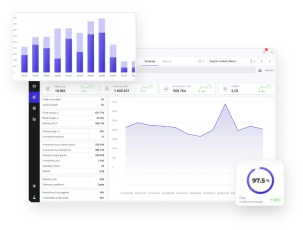
LEAFIO Analytics
LEAFIO Analytics provides actionable insights from category data to inform strategic decisions. It enables tracking of key performance indicators (KPIs) across all categories and generates performance reports to visualize results and identify areas for improvement.
With LEAFIO AI, category managers can rely on data analytics and technology to excel in the procurement process, improve supplier current performance, and enhance decision-making, leading to sustainable growth and profitability in sales of goods and services.
Conclusion
As our guide wraps up, continuous improvement in mastering category planning shows itself extremely important for businesses navigating the bustling retail world. Through a structured approach driven by data and creating robust category plans, companies can optimize product assortments, maximize sales, and continuously elevate customer satisfaction.
The journey requires seamless collaboration across teams and robust supplier relationships. Employing tools like LEAFIO AI enables businesses to revolutionize their category management strategies. By leveraging data and technology, companies can achieve exceptional outcomes and drive ongoing development in their category planning processes, where the category manager becomes the category captain.


Have a question?

Jack Larson
Retail Optimization Expert