


The retail industry faces unique challenges driven by rapidly evolving consumer preferences and the accelerating pace of retail technology trends 2025. Merchandise planning, in turn, plays an indispensable role in the success of global retailers. With a sound merchandising plan, you can reduce costs and expenses, streamline operations, and increase the productivity and profitability of your retail business. This approach also plays a crucial role in enhancing customer satisfaction and loyalty.
There are many approaches and successful strategies in merchandise planning. What works for one retail business will not produce the same results for another. However, it's essential to remember the hard truths of this critical retail process.
In this article, we'll cover the basic principles of successful merchandise planning, as well as valuable tools to make this process fast and efficient.
Key Takeaways
Good planning ties assortment, pricing, and inventory to meet targets.
Sets clear sales & margin goals.
Balances inventory investment.
Aligns with seasonal strategies.
Informs supplier negotiations.
Links closely with marketing.
What is Merchandise Planning?
Merchandise planning in retail management, or merch planning, is a strategic, analytical process to ensure optimal product assortment in the right quantities, suitable locations, and at the right time. This balancing act involves forecasting demand, setting the right price, managing budgets, and planning inventory levels to meet consumer needs without overstocking or understocking.
A merchandise planning example might detail a retailer's strategy for introducing a new product line, including target customers, pricing, inventory, and marketing efforts to drive sales.
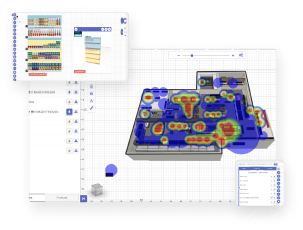
5 Key Components of the Merchandise Planning Process
Each of these components of merch planning requires careful consideration and strategic planning to ensure meeting customer demand. By effectively managing these aspects, retailers can improve their market position, reach target customers, and better financial performance:
#5 - Product
Choosing the right products to meet customer demand involves understanding market trends, customers, and competition. Ensuring products meet standards to satisfy customer expectations and maintain brand reputation. Continuously updating the product with new and innovative items to keep it fresh and appealing.
#4 - Price
Developing a pricing strategy that reflects the brand's position in the market, competes effectively with other retailers, and appeals to the target customer is critical to adequate merchandise financial planning. Using data analytics to set and adjust prices in real-time based on market demand, inventory levels, and competitive dynamics to maximize profit and sales.
#3 - Product Range
Deciding on the breadth and depth of the product range to meet various customer needs and preferences. Tailoring the product range to different market segments, considering demographics, buying behavior, and price sensitivity.
#2 - Space
Effectively organizing products in retail spaces to improve visibility, accessibility, and shopper experience. This involves considering high-traffic areas, placing impulse buys near checkouts, and creating thematic or seasonal displays.
Allocating shelf space for each product based on sales performance, profitability, and strategic importance is essential for optimizing inventory turnover and maximizing sales per square foot.
#1 - Assortment
Developing a profitable product mix by analyzing data, customer behavior, and inventory levels. Adapting to local preferences is crucial for retailers with multiple locations. Adjusting the assortment based on seasons and trends to meet changing demands.
What Problems Does Merchandise Planning Help You Avoid?
- Primarily, merch planning addresses the issue of inventory imbalance by preventing overstocking, which can immobilize capital and inflate storage costs, and understocking, which results in missed sales and customer dissatisfaction. This careful balance safeguards against the financial strain of unsold stock and ensures customer demands are consistently met.
- Another significant problem it mitigates is poor cash flow management. Optimizing inventory levels ensures capital isn't unnecessarily tied up, enhancing operational flexibility and enabling strategic investments. Moreover, it aligns product assortment with market demand, averting the risks of stocking irrelevant products that fail to meet sales expectations.
- Efficient use of retail space is also a key benefit, as merchandising planning optimizes product placement and store layout to maximize sales per square foot and enhance the shopping experience. It also aids in setting competitive and profitable pricing strategies, avoiding the pitfalls of underpricing or overpricing that can erode margins or deter potential customers.
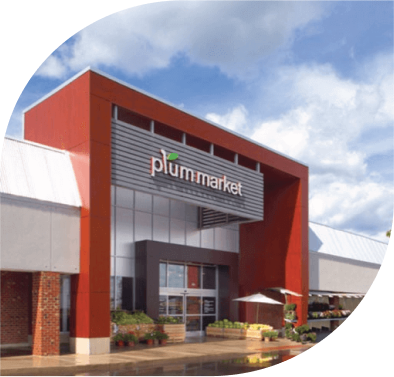
Online vs. Physical Merchandise Planning
Proper merchandise planning in retail management involves using data analytics and consumer behaviour insights to forecast demand and optimize inventory across various platforms. Online retailers have the advantage of real-time data tracking, which allows for quick adjustments in strategy based on consumer trends, seasonality, and sales performance.
While online and brick-and-mortar merchandising planning aims to optimize sales and improve customer experience, the strategies diverge due to the nature of the shopping experience and operational logistics. Online retailers focus on digital analytics, inventory flexibility, and personalization, whereas physical stores emphasize spatial planning, visual merchandising, and creating a tangible customer experience.
Integrating technology and data analytics is reshaping both realms, blurring the lines between the two as retailers strive for a seamless omnichannel approach.
Merchandise Planning Tools
Retail merchandise planning software is a sophisticated solution designed to optimize the retail management process, ensuring that the right products are available at the right time, place, and price. Retail merchandise planning software features include assortment planning, which helps select a mix of products that aligns with seasonal trends.
Other functionalities of retail merchandise assortment planning solutions ensure the correct quantity of merchandise, reducing the risk of overstocking or stockouts. Space planning features help efficiently organize retail space, enhancing the shopping experience.
A prime example of a comprehensive solution for merchandise planning is the LEAFIO AI Retail Platform. The platform combines sophisticated AI-based cloud solutions for inventory management, assortment planning and shelf space optimization. The unified ecosystem that LEAFIO solutions form enables demand forecasting, automatic generation of thousands of orders per day, as well as assortment management and efficient data-driven planograms. All solutions are integrated for constant data exchange and exceptional visibility and speed of decision-making.
How do you plan the merchandise planning process correctly?
The first step is to define clear goals and objectives that align with the overall business strategy, focusing on target sales, profit margins, and consumer demand.
Conducting Market Analysis
A thorough market analysis is essential, encompassing competitor analysis, trend forecasting, and understanding customer preferences through data analytics. Many retailers use insights provided by demand forecasting tools a foundation for making informed decisions about product selection, pricing, and promotional strategies.
Supply Chain Management
End to end supply chain management plays a crucial role, requiring sophisticated tools and techniques to forecast demand accurately and manage stock levels efficiently.
Assortment Planning Process
Assortment planning is another crucial aspect, involving carefully selecting products to offer a balanced mix that appeals to the target audience while considering factors like seasonality and local market nuances.
Transparent price policy & Others
Pricing strategies must be developed to balance competitiveness and profitability, utilizing dynamic pricing models where appropriate.
Space planning and visual merchandising are also vital, ensuring that products are displayed to maximize visibility and sales potential.
Finally, continuous review and adaptation are necessary, as the retail environment is dynamic. Regular analysis of sales data, customer feedback, and market trends should inform ongoing adjustments to the merchandise plan, ensuring it remains relevant and practical.
Cost of Effective Merchandise Planning
The cost of merchandising planning depends on critical factors for efficient resource allocation and budgeting. These include the size and scope of the operation, the complexity of the supply chain, investment in technology, and the degree of customization and adaptation to market trends.
Larger retailers with a comprehensive product range require more sophisticated planning tools. Implementing cutting-edge technology incurs setup, licensing, and maintenance costs. Hiring or training personnel with the necessary skills is also essential. Balancing these factors is critical to effectively managing inventory and catching lost sales.
When choosing a vendor for a merchandising planning solution, it is also vital to consider these factors. LEAFIO AI, for example, offers not only software but also staff training and long-term consulting. And SaaS technology does not involve large initial outlays for equipment.
Conclusion
Merchandise planning is crucial for retail success in a changing market. Retailers can optimize operations, improve customer satisfaction, and drive profitability by managing product selection, pricing, inventory, and space allocation. Effective merchandising helps retailers adapt to trends, meet consumer needs, and avoid inventory imbalances and cash flow issues. By using these tools and following a defined planning process, retailers can make data-driven decisions and stay competitive.
In summary, merchandise planning is a proactive approach that allows retailers to maximize potential and achieve long-term success.
Stay up to date and request a demo of LEAFIO AI today!
Merchandise Planning FAQ
What would be the best practice when managing the merchandise at a store?
The best practice in managing store merchandise is to analyze historical data and customer feedback regularly for inventory optimization. This involves adjusting product assortments, pricing, and displays based on current trends and consumer preferences, ensuring the right mix of products is available to meet demand and maximize sales.
What is the merchandise planning process?
The planning process is a strategic approach used by retailers to ensure that the right product is available at the right time, place, and price to meet consumer demand and maximize profitability.
What is a merchandising plan?
A merchandising plan outlines the strategy for selecting, pricing, and promoting products to maximize sales and profitability. It includes market analysis, sales forecasting, inventory management, assortment planning, pricing strategy, promotional activities, and space allocation. A merchandise plan example might detail how a retailer plans to introduce a new product line, including targeted customer segments, competitive pricing strategies, anticipated inventory levels, and marketing efforts to drive sales.
What is the first step of the merchandise planning process?
The first step of merchandise planning is conducting a thorough data analysis. This involves reviewing historical sales data, market trends, and consumer behavior insights to inform future planning decisions. This foundational step is critical for setting realistic goals and objectives for sales, inventory levels, and profit margins.
What does a merchandise planner do?
A merchandise planner develops and implements strategies to ensure the right mix of products is available at the right time and price to meet consumer demand and maximize profitability. They analyze sales data, forecast trends, manage inventory levels, and collaborate with buying teams to align product offerings with market trends and financial goals.
What are the 7 elements of the merchandise planning process?
The seven elements of retail merchandising include 1) Data Analysis, 2) Objective Setting, 3) Assortment Planning, 4) Space Planning, 5) Inventory Management, 6) Pricing Strategy, and 7) In-Season Management. These components optimize product offerings, inventory levels, and profitability.
What are the 5 parts of merchandise management?
The five parts of merchandise management are 1) Planning, where strategies for product selection and inventory levels are developed; 2) Buying, involving the acquisition of merchandise; 3) Handling, which includes receiving, storing, and managing inventory; 4) Displaying, for effective product presentation; and 5) Selling, focused on maximizing sales through various strategies.
What does a merchandise planning manager do?
A merchandise planning manager oversees the development and execution of strategies to ensure product mix and inventory levels in a retail store. They analyze sales data, forecast demand, set financial targets, manage assortments, and coordinate with buying teams to align product offerings with market trends and business goals. In today's world, most of these tasks are automated with the help of retail merchandise assortment planning solutions.


Have a question?

Jack Larson
Retail Optimization Expert