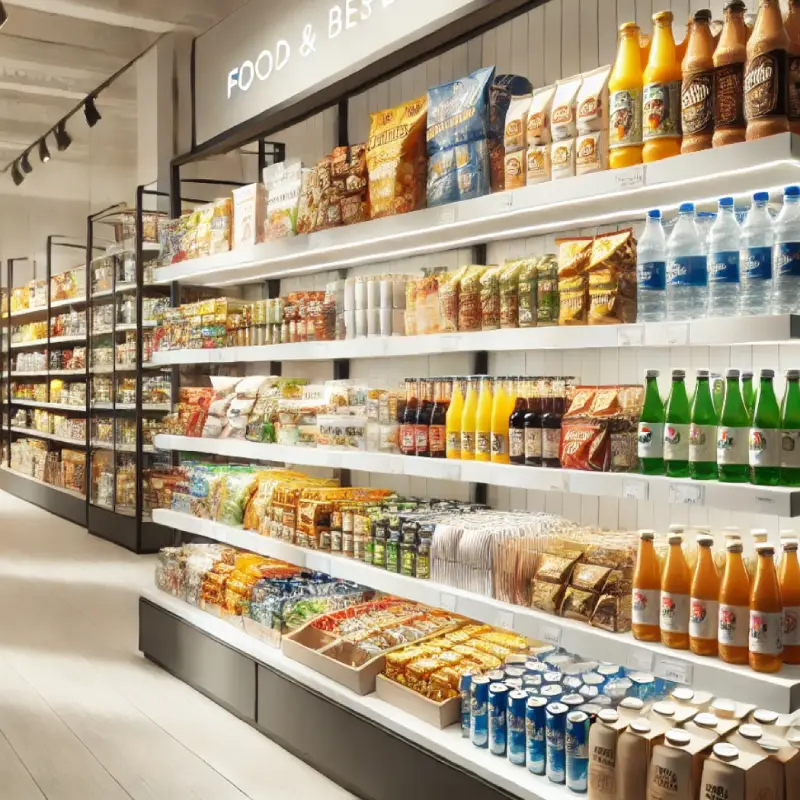

The pet care industry remains a highly competitive field with an extensive range of products. Despite the competition, it continues to offer abundant opportunities for growth and innovation, particularly in the U.S. market.
Key Takeaways
Effective merchandising in pet shops should appeal to both emotional and practical customer needs, while utilizing data to optimize sales and stock levels.
Pet shop merchandising requires emotional appeal.
Properly positioned products increase sales.
Merchandise needs to cater to pet owners’ preferences.
Regular updates to displays keep the store attractive.
Data analytics can optimize sales and stock levels.
As of 2022, the global pet care market reached $261 billion and is expected to grow at a compound annual growth rate (CAGR) of 6.1%, potentially hitting $350 billion by 2027. This growth is anticipated not only in the mature markets of North America and Western Europe but also across key industry verticals, including the pet food market, pet services market, and related products and accessories such as clothing, food bowls, collars, and carriers.
The thriving nature of the industry suggests a welcoming environment for new entrants. Success hinges on finding a unique niche, as the market is saturated with mass-market brands that often offer little differentiation. Providing exclusive, niche products can significantly help retailers stand out from their competitors.

This article will delve into the specifics of merchandising within pet shops, highlighting current trends and exploring how effective merchandising strategies contribute to a store's success in 2024.
Specializing Your Pet Store: Strategies for Catering to Niche Markets
Have no idea where to start with pet merchandising?
Do not try to meet the needs of all pet owners; instead, focus on a few pet products lines. Whether you have a cat, dog, bird, fish, hamster, or turtle, all these pets need healthy food, hygiene support, a place to live, and various accessories (e.g. pet toys).
Dogs and cats far outnumber other pets, often making it more difficult for owners of less common animals to find the right products. Specialize your outlet to help them. Target your buyers' needs by analyzing trends in your location and reviewing sales figures. Add unique items to your store's assortment to distinguish it from local competitors in pet industry.
Work with local supplies and producers – they often offer unique products at favorable terms and support you with promotional materials and activities, thus setting your store apart from the competition.
Plan pet store layout and design planograms to indirectly influence customer choices and increase your desired turnover, sales, and more.
Creating Impactful Experiences in Pet Retail Stores
Although there has been a significant boom in the e-commerce segment in pet retail in recent years—largely due to quarantine restrictions—physical stores are still holding their ground confidently, which is expected to continue.
Raw and natural animal feed is becoming increasingly popular. Therefore, consider the characteristic odors of these feeds when planning your merchandising pet shop; place them in well-ventilated areas. Invest in high-quality refrigeration equipment that not only preserves but also showcases the products, and, if possible, provides product samples. In other words, merchandisers must regularly check the attractiveness and freshness of all products.
Fun fact: Over 50% of cat and dog owners give their pets a Christmas present or treat, and about half of dog owners and a third of cat owners celebrate their pet's birthday. Additionally, a quarter of pet owners celebrate Halloween with a gift for their pet. Therefore, you could collect data about special dates in the lives of your regular customers' pets, enhance the standard assortment with special offers, and create holiday promotional campaigns and themed areas.
If your retail chain includes small petting zoos, be sure to monitor their cleanliness and the health of the animals. The overall atmosphere in the store should be pleasant and welcoming to encourage customers to return and make repeat purchases.
Key Strategies for Effective Merchandising in Pet Stores
In the retail world of pet products, planning and zoning of store space are crucial. Ideally, these considerations should be addressed early, during the investment phase of creating a retail outlet—spanning design, retail equipment, and staff training. Each store should be strategically zoned by animal species, age group, product groups, and price segments.
Effective Merchandising Strategies in Pet Stores
| Strategy | Description |
|---|---|
| Product Grouping and Classification | Divide dog food into categories such as regular, natural, and organic canned food; fresh minced meat and by-products; dry kibble for puppies and adult dogs; wet food; treats; and dietary or medical supplements. Each category should also reflect distinct brands, price segments, and promotional offers. |
| Effective Use of Retail Space | Utilize planograms and consider the capacity of shelves and showcases to make the most of the retail space. Effective zoning facilitates high customer mobility, convenient navigation, and ensures that goods are visible from all shopping areas of the store. |
| Strategic Placement of Store Equipment and Products | Encourage customers to traverse the entire store and explore all merchandise. High-quality and clear navigation is crucial in pet stores to help customers find what they need efficiently or explore more products if they are not in a hurry. |
| Designing the Entrance for Immediate Impact | The store layout should begin right at the entrance, where customers transition from the outside world to the store's interior. The entrance area should make a positive first impression and spark the buyer's interest to make a purchase within seconds. |
| Innovative Merchandising Techniques | Design the first few meters from the entrance as a transit zone where key goods should not be placed as they are less likely to be noticed. Use the 'power wall' and 'speed bumps' at the beginning of the sales floor to slow down the customer. |
| Layout Configurations | Depending on the store size, use grid layouts, loop layouts, or free-flow layouts to enhance product visibility and accessibility. Place popular products farther from the entrance to draw customers deeper into the store. |
| Promotional and Seasonal Display Zones | Large promotional zones are vital for highlighting brands or serving as sales areas for discounted goods. These zones should have special layouts depending on the marketing objectives and should be regularly monitored for their impact on sales. |
| Adapting Layouts for Seasonal and Assortment Changes | Regularly change the placement of categories on the sales floor to create a new shopping experience for regular customers. Seasonal goods and rotation of the store's assortment can dictate the timing of these changes. |
Although large promotional zones are not found and used that often or significantly in specialized pet stores, their importance should not be underestimated for drawing attention to the brand or for use as a sale area for discounted goods, etc. Create special layouts for these zones depending on the goals and monitor the impact on sales.
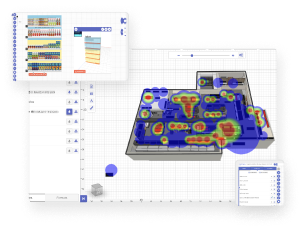
Adhering to the rules of the display is important, not only from the point of view of the visual component but also taking into account the fact that many pet stores have no or very small storage areas. So, shelves and displays serve both as a presentation showcase and as a place to store goods.
Visual, sensory, and aesthetic components are critical in the shopping experience, and pet products are no exception. Therefore, do everything possible to create a pleasant atmosphere in the store. Neat and logical display of goods, proper appearance and friendliness of the staff.
Think globally, act locally
At the beginning of this article, we paid a lot of attention to the trends. Follow them both globally and locally, because they are also special and can be very different from other industries. For instance:
- Millennials are the largest group of pet owners (almost a third), followed by Baby Boomers (29%), and Gen Xers with 26%. Z and Builder are also pet owners;
- More and more pet owners are looking to focus more on not only keeping them fed, but also keeping them healthy. 69% of Millennials choose natural or organic products for their pets. 43% of dog owners and 41% of cat owners purchase premium food for them;
- 68% of Millennials are willing to spend more on eco-friendly pet products.
In addition to global trends, it is important to monitor those specific to your chain of pet stores. Collect, analyze, and use data to understand customer demand and behavior and create product layouts based on this information. In turn, LEAFIO software for pet stores and experts will help you to do it quickly, efficiently, and without mistakes.
Optimization of merchandising is a continuous and complex process, at the heart of which, surprisingly, is simplicity. It is the main principle of any shop. Easy and thoughtful product placement will improve sales, whereas a confusing, unsystematized, unclear, chaotic display of products distracts buyers from purchasing.
A clear and thorough approach to merchandising in the pet industry, which takes into account the behavior of customers, can increase your sales by at least 10%, and competent display of products – by another 15%. And we at Leafio know how to do it and will be happy to help you.
Conclusions
The pet care industry in the United States, currently valued at $261 billion, is projected to reach $350 billion by 2027. This growth underscores the sector's competitive nature and expansion potential.
To stand out, pet stores must adopt a strategic merchandising approach that emphasizes innovative techniques and focuses on product placement, customer experience, and store aesthetics. Embracing the specific needs of pet merchandising and leveraging the latest insights and technologies are crucial for pet stores aiming to capitalize on growth trends and maintain market relevance. By doing so, your store can thrive in this dynamic industry.


Have a question?

Kristi Miller
Retail optimization expert