If the title of this article caught your eye, chances are you're grappling with rising transportation costs and complex logistics issues. Know that you're not alone. Companies worldwide are turning to logistics management software to find a solution.
A recent study by the Council of Supply Chain Management Professionals (CSCMP) found that companies leveraging logistics management system expertise can reduce transportation-related operational costs by up to 15% and increase delivery efficiency by as much as 30%.
Does it sound too good to be true? We've prepared this article specifically for logistics industry professionals who are questioning the effectiveness of their existing systems. We'll explore the telltale signs that your supply chain needs a tune-up.
Discover how modern logistics planning software can drive significant cost savings, reduce supply chain risks, and enhance logistics execution.
Key Takeaways
LMS becomes critical when logistics complexity outpaces manual control.
Multiple DCs or store flows strain spreadsheets.
Visibility gaps lead to delays.
Route costs spiral without optimization.
Hard to hit OTIF targets.
LMS integrates orders, transport & stock.
3 Telltale signs you need to update a logistics management system
Are you facing inefficiencies in your supply chain? If so, then two important criteria can help you determine if integrating a logistics management software is the solution.
#1: You face managing and scaling complex logistics processes
Inconsistent operations
Do you experience frequent delays, missed deliveries, or inaccurate order fulfillment? Inconsistent operations are a hallmark of a system struggling to keep up. Proper logistics management software acts as a central hub, bringing order to your processes and ensuring consistent service for your clients.
Human error bottleneck
Are manual processes leading to a high number of errors? Data entry mistakes, miscalculations in routing, and order fulfillment errors can be costly and damage your reputation. Logistics software automates many workflows, reducing human error and streamlining your supply chain operations.
Scheduling gaps
Are planned loading and unloading times frequently missed, causing delays and disruptions? Inefficient scheduling throws off your entire workflow. An effective logistics software optimizes schedules based on your actual data, enhancing operational efficiency and providing on-time deliveries.
Limited adaptability
Are you finding it hard to adjust your delivery routes to changing market demands? The logistics industry is rather dynamic and requires agility. Such software can help you to analyze data and suggest routes based on fluctuating needs, enabling faster response times and better customer service for your clients.
Knowledge gap
Is it time-consuming to train new employees on your intricate logistics processes which are not documented properly? Such processes can be inefficient and cause bottlenecks. By implementing logistics management software solutions, you can streamline your workflows, standardize procedures, and simplify the training process for new staff.
Data blindspot
It can be challenging to identify areas for improvement or make informed decisions without clear data regarding mileage, delivery costs, and adherence to time windows. Logistics management software provides comprehensive data insights, enabling you to analyze performance, optimize routes, and make data-driven decisions for greater efficiency and cost savings.
#2: You have an urgent necessity for resource optimization
This section explores the four key challenges that highlight the urgent need for resource optimization.
Soaring shipping costs
High shipping costs eat into your profits. They're a red flag that your current transportation strategies might not be as efficient as they could be. Implementing smarter solutions like optimized routes and strategic carrier selection can unlock significant savings.
Resource underutilization
Are your trucks half-empty? Are your logistics teams overloaded with manual tasks? This signifies underutilized resources. Fleet management optimization can help you leverage your resources more effectively. Imagine dispatching "cheaper" vehicles for longer routes when possible, strategically utilizing hired transport during peak periods, and balancing load distribution across your fleet. These functionalities lead to a leaner, more efficient operation.
Manual planning
Logisticians spending hours crafting routes by hand are wasting valuable time that could be better spent elsewhere. Automated route optimization tools take the burden off your team. These tools leverage real-time data and sophisticated algorithms to generate efficient routes, freeing up your staff to focus on higher-level tasks and boosting overall logistics effectiveness.
Data in the dark
The lack of data for analysis is a crippling blind spot. Implementing data-gathering systems empowers you with actionable insights, allowing you to pinpoint areas for improvement and make data-driven decisions for optimal logistics performance.
#3: You need strong competitive advantages
Keep an eye on your competitors. If you notice them implementing a logistics management system, it's a sign they're positioning themselves for success. They'll likely also become more flexible and adaptable, giving them an edge over time.
Ultimately, the absence of logistics management software might hold back your digitization efforts. For example, you might offer a comprehensive digital platform for a smooth customer experience, but without a digitized delivery process, it could create inefficiencies.
Furthermore, if you're trying to establish unit economics within your company, not having a digitized delivery stage can make it incredibly challenging to accurately account for costs and profits.
What is a logistics management system functionality?
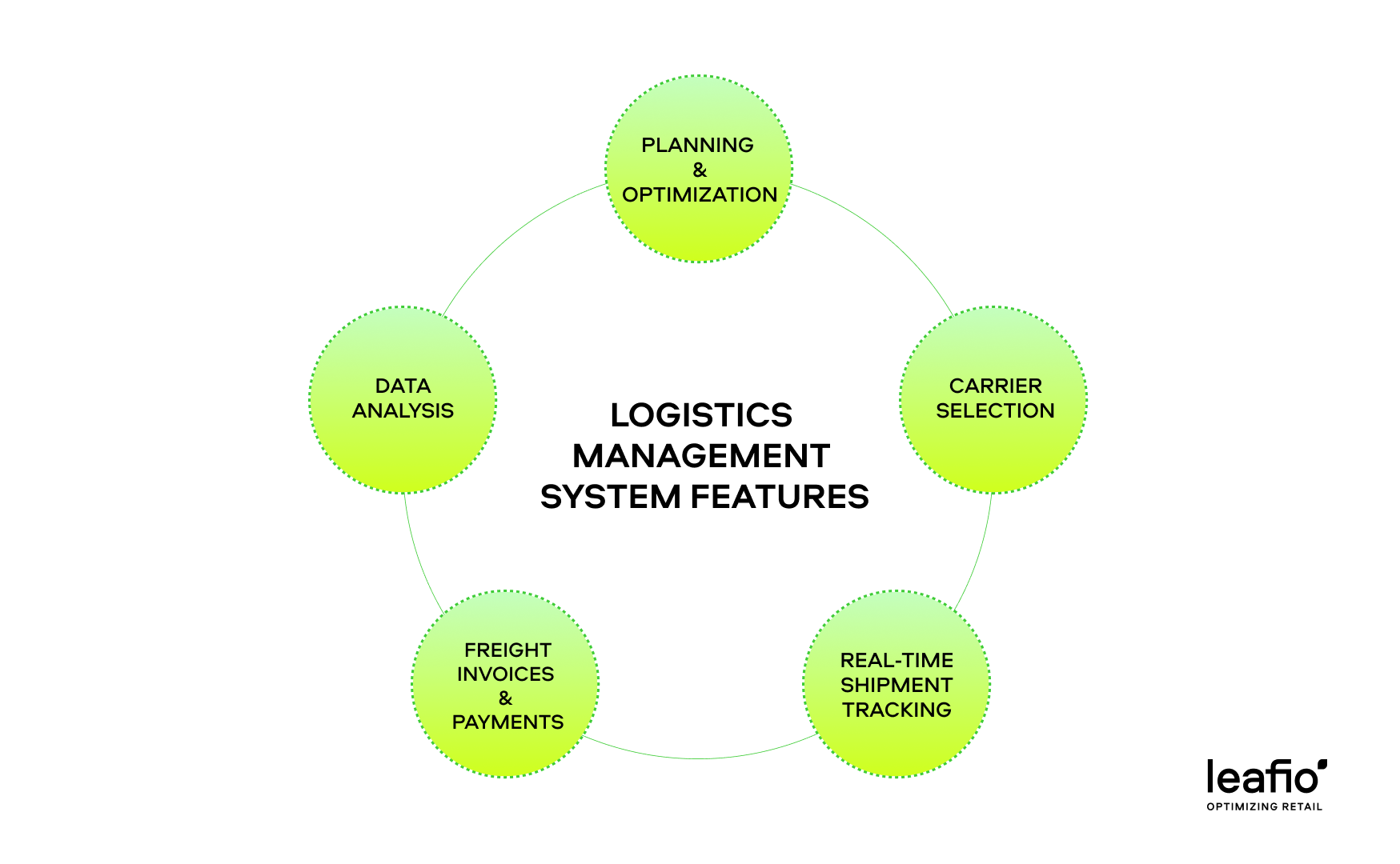
A logistics management system is software that acts as a comprehensive toolbox, empowering businesses to streamline and optimize transportation planning within their supply chains. Here's a glimpse into the key functionalities that make TMS such a game-changer.
Planning & optimization
A logistics management solution takes the guesswork out of route planning. It analyzes data to identify the most efficient routes, minimizing travel time and maximizing load consolidation for significant cost savings.
Carrier selection
No more scrolling through countless carriers. Logistics management software provides a platform to evaluate and select the most suitable carrier for each shipment, considering factors like cost, availability, and suitability (frozen, liquid, etc.).
Real-time shipment tracking
Peace of mind is priceless. With logistics management software, you get real-time insight into the status and location of your shipments, allowing you to track their progress and manage expectations precisely.
Freight invoices & payments
Traditions are important but doing paperwork by hand or relying just on an enterprise resource planning system isn't one worth saving! Logistics software streamlines the processing of freight invoices and payments by automating tasks like verification, auditing, and settlement, freeing you up to focus on more strategic initiatives.
Data analysis
Knowledge is power. Logistics management software collects and analyzes data on your transportation operations, revealing trends and key performance metrics. This valuable insight enables you to identify areas for improvement and continuously optimize your supply chain.
In general, logistics management software is the backbone of modern business processes and the benefits are clear: reduced transportation costs, improved delivery and inventory management, and ultimately, a happier customer base. It empowers businesses to navigate the complexities of transportation challenges with confidence and ease.
Who uses logistics management systems?
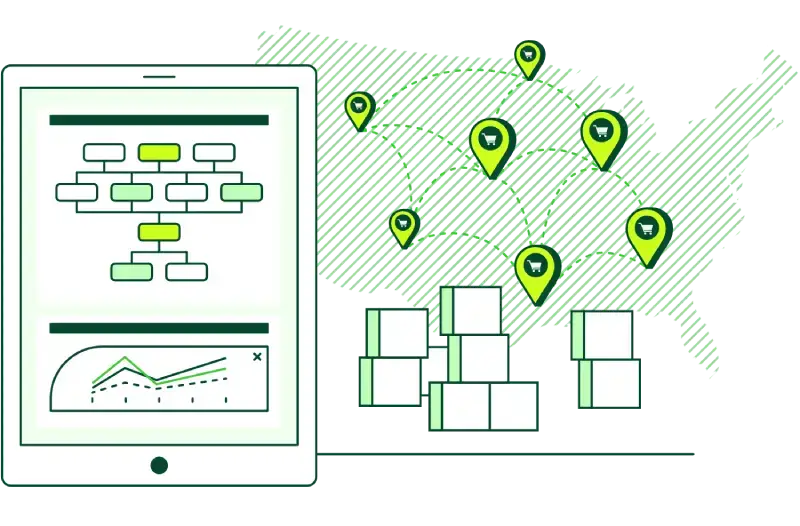
Logistics management software and the Swiss Army knife have a lot in common. Service providers can benefit various stakeholders involved in supply chain management at the same time and these systems hold significant importance across a wide spectrum of industries.
Manufacturers
The foundation of the supply chain, manufacturers rely on a logistics management system to ensure the timely and cost-effective movement of raw materials to production facilities. This uninterrupted flow fuels the delivery of finished goods further down the line.
Distributors
Acting as the bridge between manufacturers and retailers, distributors leverage logistics management software to optimize routes and schedules. This ensures prompt distribution of goods to various retailers and ultimately, end customers.
E-commerce companies
Logistics management software helps online retailers manage complex fulfillment processes by working in synergy with other supply chain systems (warehouse management system, inventory management system), which ensures on-time deliveries to customers.
Retail businesses
Logistics solutions are not only suitable for online business but brick-and-mortar stores also take advantage of the software. It helps them streamline deliveries to stores or fulfillment centers from suppliers and DCs. This ensures they have enough inventory in stock when they need it.
Transportation companies and third-party logistics(3PL)/fourth-party logistics companies(4PL)
These companies specialize in managing logistics for others. Their services are further enhanced by integrating transportation management software, allowing them to offer clients seamless logistics across various aspects.
Transportation carriers
Last but not least, transportation carriers utilize logistics management solutions to streamline fleet operations and manage driver schedules. They also collaborate closely with shippers using logistics management software to ensure efficient delivery of finished goods to their final destinations.
In essence, such software serves as a vitally important thread connecting all these stakeholders, fostering efficiency and reliability throughout the entire supply chain, and making life a whole lot easier for everyone involved.

How does a logistics management system optimize transportation processes?
At its very core, a management system streamlines logistics operations by centralizing and automating tasks such as route planning, carrier selection, and shipment tracking. By leveraging real-time data and sophisticated algorithms, logistics software route optimization will minimize your costs. This means fewer empty miles, reduced fuel consumption, and improved delivery times.
With logistics management systems, businesses can meticulously plan loading sequences based on driver availability, effectively eliminating frustrating wait times at loading docks. Such an approach streamlines the loading process, fostering a more organized and predictable warehouse management software (WMS) environment.
Instead of facing lengthy queues, drivers arrive at their designated time slots, ensuring a smooth and efficient flow of goods. Implementing logistics management software transforms loading operations from a chaotic scramble into a meticulously organized process, where each truck receives its cargo promptly and without delay.
A prominent logistics and package delivery company in the US, UPS, enhanced its logistics optimization metrics by implementing a logistics management system. This comprehensive system facilitated the management of UPS's extensive delivery network and streamlined transportation operations. Leveraging advanced route optimization algorithms and real-time data analytics, UPS significantly reduced delivery times, minimized fuel consumption, and enhanced overall operational efficiency.
LEAFIO Rinkai—best logistics software—unique algorithms for a resilient supply chain
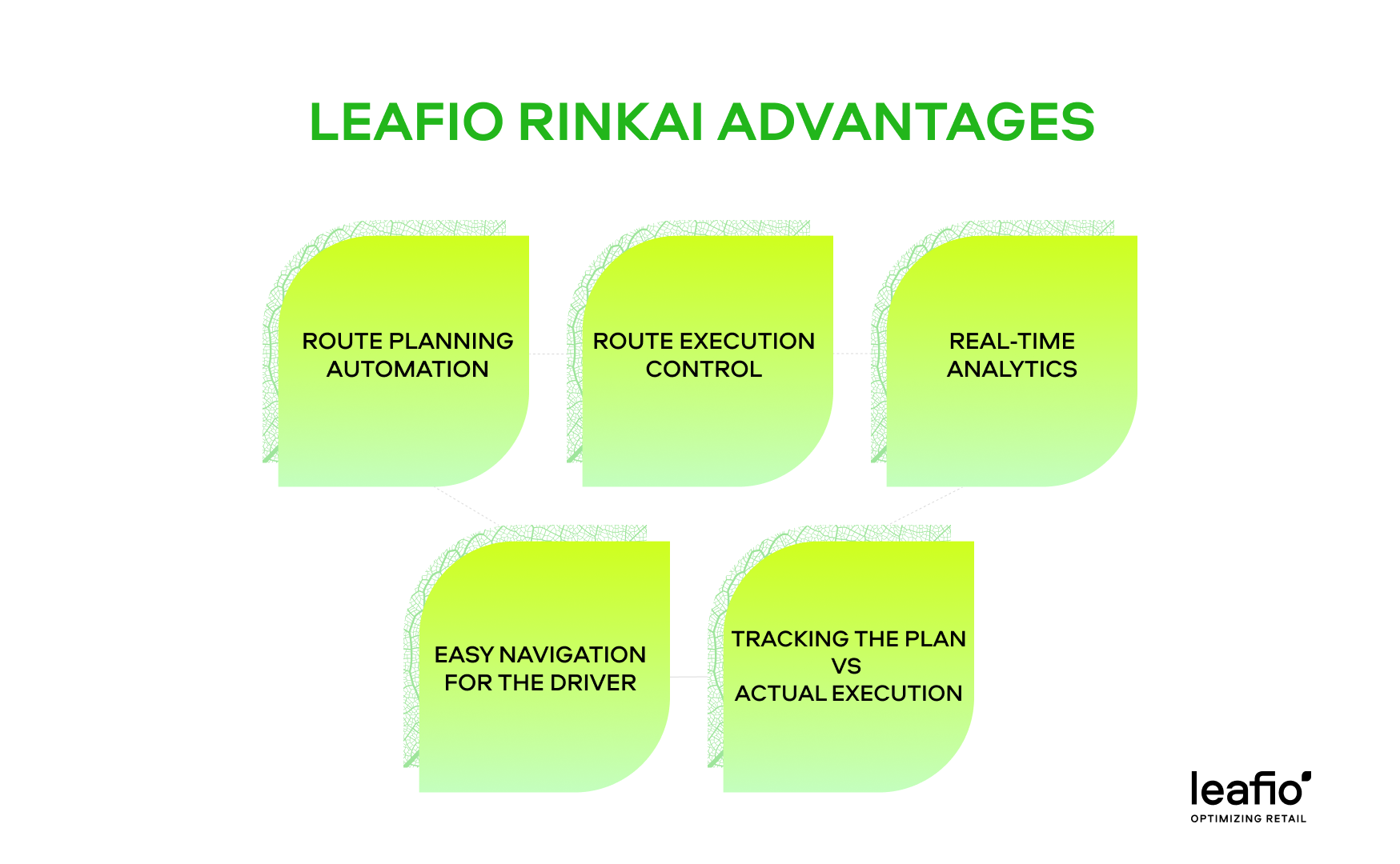
The LEAFIO Rinkai logistics software offers a palette of innovative tools like smart route optimization, easy carrier selection, and instant analytics to help you make your processes smoother, cut costs, and keep your customers happy.
Discover how these features can change the way you manage transportation and boost your business's efficiency.
Dynamic routing optimization
With LEAFIO Rinkai logistics software, you'll experience dynamic routing optimization that continually adjusts transportation routes. This ensures that your deliveries are made efficiently, considering factors like traffic conditions, weather, and road closures. By optimizing routes dynamically and upgrading fleet management you can reduce delivery times, manage your customer experience, and minimize fuel consumption and emissions.
Advanced carrier selection
The transportation management systems include an intelligent carrier selection module that will help you analyze various factors to determine the most suitable carriers for each shipment. These factors may include carrier transportation rates, transit times, availability, and suitability. This enhances overall transportation efficiency and reduces costs associated with delays, damages, and poor service.
Comprehensive analytics dashboard
LEAFIO Rinkai logistics management platform provides you with a comprehensive dashboard that offers real-time insights into key performance metrics. This includes data on delivery times, fuel consumption, carrier performance, and more. Having access to this information will empower you to monitor your transportation operations closely and identify areas for improvement. By leveraging comprehensive analytics, you can make informed decisions, optimize processes, and build a resilient supply chain.
What sets LEAFIO Rinkai logistics software apart from competitors is its specially crafted algorithm, designed to save costs and handle all constraints at once. Unlike conventional logistics management software solutions that typically focus on either cost savings or constraint management, LEAFIO offers both. This means you can optimize your transportation management operations without compromise, ensuring efficiency while meeting all your logistical requirements.
Key Takeaways
Signs that you need logistics software. Are you struggling with managing a growing business? Facing a bad customer experience with late deliveries? Logistics management software can automate tasks, improve accuracy, and provide valuable data to help you identify areas for improvement.
Benefits of logistics management software. It can optimize your fleet management, reduce empty miles, and save on freight costs. It can also provide real-time data and logistics analytics visibility to help you make data-driven decisions.
Don't get left behind. If your competitors are implementing logistics software, it's a sign they're serious about efficiency. Custom logistics management solutions can help you improve your digitization efforts and gain a competitive edge.
Ready to explore more? We invite you to request a demo and see how this transportation management system can revolutionize your supply chain firsthand, while you can focus on expanding your business. Don't just take our word for it – experience the change yourself
What is optimized logistics?
Optimized logistics refers to the efficient management of transportation, warehouse process of packing and loading, and distribution processes to achieve maximum effectiveness and cost savings. It involves streamlining operations, minimizing potential delays, and maximizing resource utilization to ensure timely delivery of goods while reducing expenses. By optimizing logistics, businesses can improve customer satisfaction, enhance productivity, and stay competitive in the market
What information would you need to optimize transport?
To optimize transport, you will need information such as the origin and destination of shipments, the quantity and nature of goods being transported, preferred delivery times, and any specific requirements or constraints. Additionally, data on existing transportation infrastructure and carrier capabilities can help tailor solutions for efficiency. With this information, you can develop customized routing plans, select the most suitable carriers, and implement strategies to minimize costs and maximize delivery performance
What is the meaning of optimal routes?
The term optimal routes refers to the most efficient and effective paths for transporting goods from one location to another. These routes are carefully planned to minimize travel time, fuel consumption, and overall costs while maximizing delivery speed and reliability. By considering factors such as distance, traffic conditions, road quality, and any specific customer requirements, optimal routes ensure that shipments reach their destinations swiftly and safely. This helps businesses save time and resources while providing timely and satisfactory service to customers.
Is there an app to optimize routes?
Yes, the LEAFIO Route Sense app offers advanced route optimization capabilities for businesses seeking to streamline their transportation logistics operations. It equips drivers with an intuitive tool that consolidates all route information, orders, and streamlined navigation, alongside the capability to promptly update delivery statuses for individual orders. The LEAFIO Route Sense app presents numerous avenues for optimizing driver performance, culminating in elevated customer service standards.


Have a question?

Andrew Ivarsen
Logistics Optimization Expert