
The best Blue Yonder alternatives for retailers in 2026 are Leafio AI, RELEX Solutions, o9 Solutions, SAP IBP, Oracle SCM Cloud, Kinaxis, Manhattan Associates, Anaplan, and Netstock. These are the top Blue Yonder competitors worth evaluating — whether you're a mid-market grocer looking for faster deployment or an enterprise team running on SAP. This list covers all nine, ranked from most relevant to retail down to niche use cases.
Blue Yonder (formerly JDA Software, now a Panasonic subsidiary) is an enterprise supply chain software for retail covering demand planning, inventory optimization, transportation, and workforce management. It sits in the Gartner Magic Quadrant Leaders quadrant for supply chain planning solutions. That said, it was built primarily for large CPG manufacturers and fashion conglomerates — not for the everyday needs of mid-market retail. Licensing runs $200,000–$1,000,000+ per year, with implementations billed separately starting at $500k.
If you're searching for alternatives to Blue Yonder, you're likely hitting one of a few walls: the price tag is enterprise-grade but your business isn't; implementation is taking longer than you can afford; or the tool simply wasn't designed for fresh grocery replenishment. This article gives you a side-by-side look at the best Blue Yonder alternatives, a comparison table, a step-by-step switching guide, and a verdict for each type of business. I tested and reviewed these tools against real retail criteria and feature checklists.
How I Picked the Best Blue Yonder Alternatives
I focused on solutions that address the actual pain points Blue Yonder users report. I didn't just look at feature parity. I looked at fit, cost, and time-to-value for retailers specifically.
Here are the criteria I used:
- Retail-specific functionality: Does it handle inventory replenishment, tools for demand planning, and planograms out of the box, or does everything need custom configuration?
- Time-to-value: How fast is implementation? What does the path to first results look like?
- Total cost of ownership (TCO): License + implementation + ongoing support fees, not just the sticker price.
- Fresh and perishable goods support: Critical for grocery retailers running daily replenishment cycles.
- Scalability: Can it go from 50 to 1,000+ stores without a re-platforming project?
- G2 and Gartner Peer Insights reviews: Ratings and patterns from actual users, not vendor marketing.
- Integration capabilities: ERP (SAP, Oracle, 1C), POS, and WMS connectivity.
For retailers comparing the best inventory optimization software, the key question is whether the platform can balance stock across stores and DCs without enterprise-level implementation overhead.
Here's a quick comparison of all nine options:
| Solution | Best for | Price range | Free trial? | Key difference vs Blue Yonder |
|---|---|---|---|---|
| Leafio AI | Mid-market retail (grocery, pharmacy, fashion) | Custom | ✅ Free Demo | Fast 4–8 week implementation + built-in planogram |
| SAP IBP | Enterprise on SAP ERP ecosystem | $$$$ | ❌ | Deeper SAP ERP integration |
| Oracle SCM Cloud | Enterprise on Oracle ERP | $$$$ | ❌ | Cloud-native Oracle ecosystem |
| Kinaxis RapidResponse | Manufacturing / Hi-Tech SCM | $$$$ | ❌ | Real-time concurrent planning |
| RELEX Solutions | Large grocery & fashion retailers | $$$$ | ❌ | Retail-native unified planning |
| o9 Solutions | Large CPG & enterprise retail | $$$$ | ❌ | Modern AI/ML platform |
| Manhattan Associates | Omnichannel retail WMS/OMS | $$$$ | ❌ | Strong WMS + fulfillment |
| Anaplan | Finance-led connected planning | $$$ | ✅ Trial | Financial + SCM integrated modeling |
| Netstock | SMB inventory management | $$ | ✅ Trial | Simple, affordable, quick to deploy |
Why Consider Alternatives to Blue Yonder?
Enterprise Price Tag, Not Built for Mid-Market
Blue Yonder's total cost of ownership often lands between $1M and $2M before you go live. That includes licensing, consulting, and implementation. For a mid-size retailer with 50–300 stores, that budget doesn't make business sense. You'd be paying for capabilities you'll never use.
18+ Months to Go Live Is Too Long
G2 and Gartner Peer Insights reviewers consistently flag Blue Yonder's implementation timeline as 18–24 months. That's a long time to wait for ROI. If your business is growing or responding to market shifts, you can't afford to be mid-implementation for two years.
Poor Fresh Category Support for Grocers
Blue Yonder's core algorithms were built around fashion and CPG supply chains. They're not designed for daily replenishment cycles or perishable shelf-life logic. Grocery retailers end up working around the system or paying for additional custom development.
Retailers evaluating the best inventory replenishment software should also look for automation that supports store-level demand, supplier constraints, and fast-moving or perishable categories.
Requires Expensive Third-Party Consultants
Any customization in Blue Yonder typically requires an Accenture or Deloitte consultant at $300–$500 per hour. There's no self-service configuration path. That's a hidden cost that compounds over time, especially in the first year.
Legacy Interface Slows Down Your Team
Multiple G2 reviews describe Blue Yonder's UI as dated and difficult to navigate. Operational managers face steep learning curves. When your team spends hours figuring out the interface instead of acting on insights, productivity drops.
Innovation Slowdown After Panasonic Acquisition
Since the 2021 acquisition, customers have reported slower release cycles and more complex support processes. If product velocity matters to your planning roadmap, this is worth factoring in.
Top 9 Alternatives to Blue Yonder
1. Leafio AI
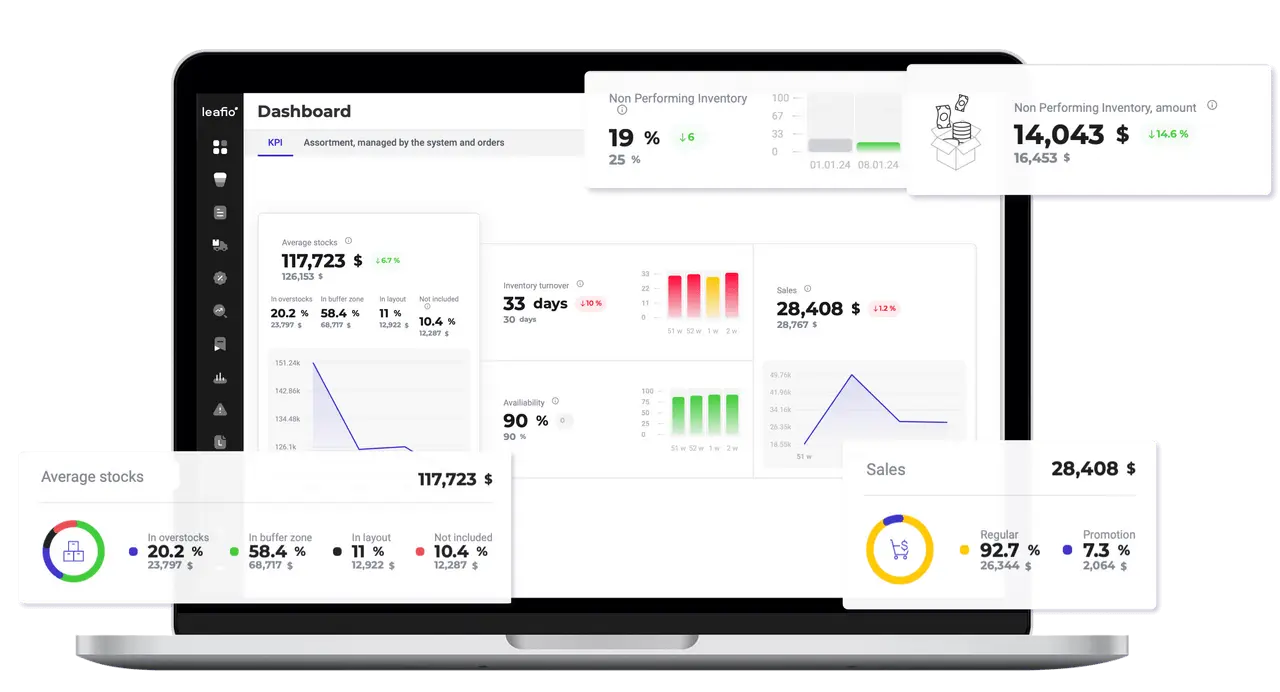
Leafio AI is a retail-focused platform covering inventory optimization, demand planning, replenishment, planogram management, and merchandising. It's built for mid-market and enterprise retailers — grocery, pharmacy, fashion, and specialty chains with 50 to 1,000+ stores. Unlike Blue Yonder, Leafio was designed specifically for retail from day one. It goes live in 4–8 weeks, not 18 months.
Key features:
- AI-driven demand forecasting with automated model selection per SKU
- Inventory optimization with dynamic buffer management across store and DC levels
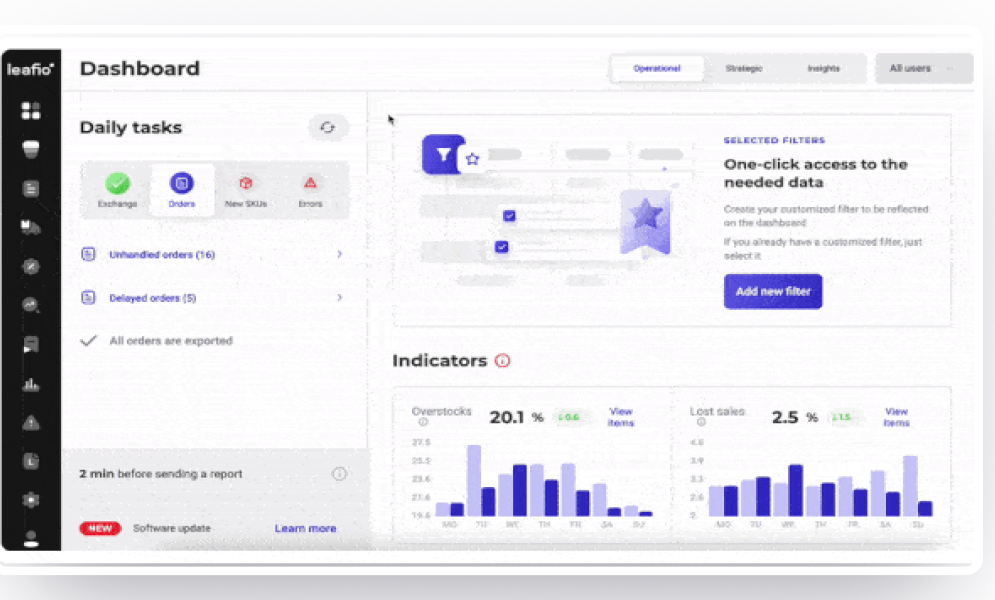
- Automated replenishment with support for fresh and ultra-fresh categories and daily shelf-life logic
- Built-in planogram management — no separate module or third-party integration required
- Mobile merchandising app with offline mode for field teams
- Pre-trained retail AI models that work out of the box — no 6-month calibration period
- API integration with SAP, Oracle, 1C, and custom ERP systems in 2–4 weeks
Pros and cons:
| ✅ Pros | ❌ Cons |
|---|---|
| Deploys in 4–8 weeks | Less depth for manufacturing supply chains |
| Built-in planogram — unique in this category | Custom enterprise pricing (no public rates) |
| Handles fresh/ultra-fresh categories natively | Best suited for 50–1,000+ stores, not single-store SMBs |
| Support included without extra consulting fees | Smaller brand recognition vs SAP or Oracle |
How it compares to Blue Yonder:
- ✅ Better at: Implementation speed (4–8 weeks vs 18–24 months), fresh category replenishment, total cost for mid-market, built-in planogram management, self-service onboarding
- ❌ Worse at: Large-scale manufacturing supply chain depth, established brand trust among Fortune 500 procurement teams
Real results from Leafio AI customers:
- Retailers using Leafio AI report average stock reduction of 15–20% within the first two quarters after go-live
- Typical customers see up to 25% reduction in lost sales, with ROI achieved within 6 months of implementation
Best for: Mid-market grocery, pharmacy, and fashion retailers with 50–500 stores who need a retail-native platform with fast deployment and no hidden consulting costs. Also a strong fit for enterprise retailers who've outgrown a basic tool but don't want a 24-month Blue Yonder project.
Bottom line: Leafio AI is the most direct replacement for Blue Yonder if you're a retailer, not a manufacturer. It delivers retail-specific AI planning, planogram management, and daily replenishment — all on a timeline and budget that mid-market teams can actually work with.
Ready to see Leafio AI in action? If you're evaluating alternatives to Blue Yonder, Leafio AI offers a free demo tailored to your retail format. You'll see real demand planning, replenishment, and planogram workflows — not a generic slide deck. Most retailers go live in 4–8 weeks with hands-on onboarding included. Book a free demo →
For chains where shelf execution matters as much as supply planning, comparing the best retail space planning software can reveal whether a platform connects inventory decisions with store layouts and planograms.
2. SAP Integrated Business Planning (SAP IBP)
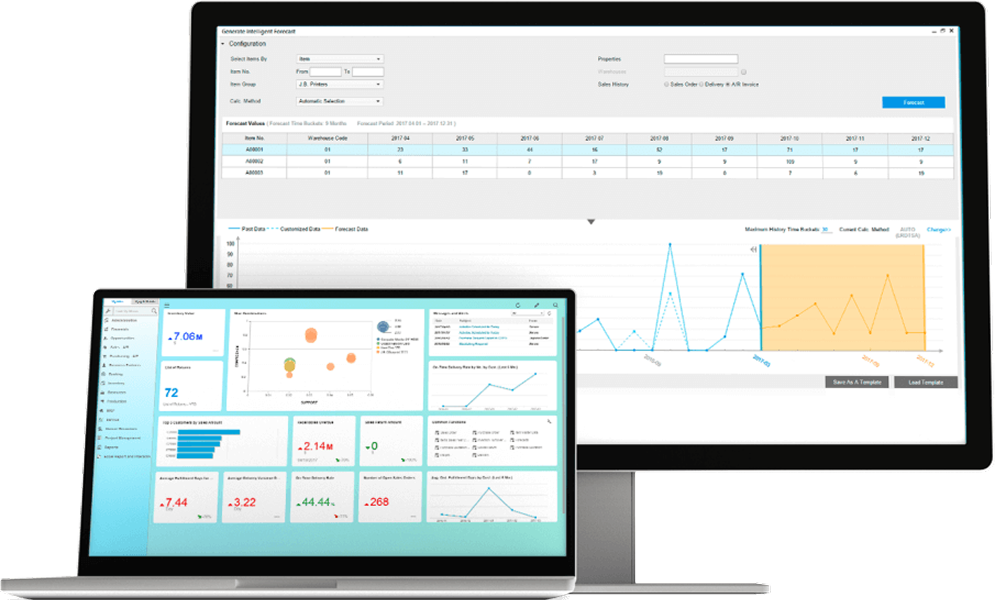
SAP IBP is a cloud-based supply chain planning suite built for enterprise organizations already running SAP ERP or S/4HANA. If your business lives in the SAP ecosystem, IBP offers tighter native integration than Blue Yonder can match. It covers demand planning, inventory optimization, and supply planning with deep ERP data connectivity.
Key features:
- Native SAP ERP / S/4HANA integration with real-time data sync
- Demand sensing and statistical forecasting
- Multi-tier inventory optimization
- Integrated sales and operations planning (S&OP)
- Scenario planning with what-if simulation
Pros and cons:
| ✅ Pros | ❌ Cons |
|---|---|
| Best-in-class SAP ERP integration | Very high cost — comparable to Blue Yonder |
| Strong demand planning functionality | Requires SAP consultants for configuration |
| Familiar for SAP-native teams | Not retail-specific; limited fresh category logic |
| Scalable across global enterprises | Long implementation timeline |
How it compares to Blue Yonder:
- ✅ Better at: ERP integration for existing SAP customers; familiarity for SAP-trained planners
- ❌ Worse at: Retail-specific functionality; cost for mid-market; implementation speed
Best for: Large enterprises already running SAP ERP who need a unified planning layer. If you're not on SAP, the case for IBP weakens significantly.
Bottom line: SAP IBP is a credible Blue Yonder alternative — but only if you're deep in the SAP ecosystem. It doesn't solve the cost or implementation timeline problems.
3. Oracle SCM Cloud
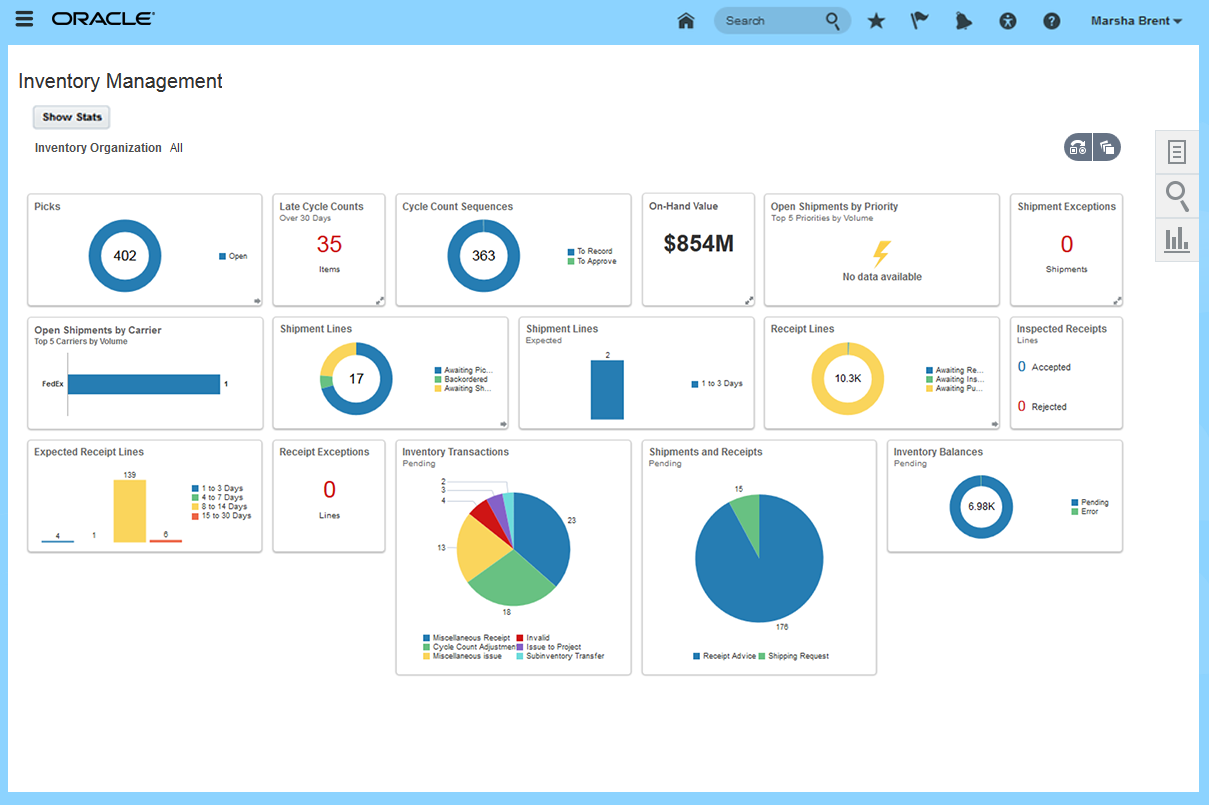
Oracle SCM Cloud is Oracle's end-to-end cloud supply chain platform. It covers planning, procurement, manufacturing, order management, and logistics in a single cloud environment. Like SAP IBP, it shines for companies already on Oracle ERP who want unified data without middleware costs.
Key features:
- Cloud-native architecture with continuous updates
- Integrated demand management and supply planning
- Order management and fulfillment orchestration
- Global inventory visibility
- Native Oracle ERP Fusion integration
Pros and cons:
| ✅ Pros | ❌ Cons |
|---|---|
| Cloud-native with no on-premise overhead | Complex UI with a steep learning curve |
| Strong Oracle ERP ecosystem integration | High licensing and implementation costs |
| Broad SCM functionality | Not optimized for retail-specific planning |
| Global scalability | Long implementation for full deployment |
How it compares to Blue Yonder:
- ✅ Better at: Cloud architecture; Oracle ERP native integration; manufacturing + logistics depth
- ❌ Worse at: Retail-specific inventory and planogram functionality (see best planogram software guide); cost for mid-market
Best for: Large retailers or manufacturers running Oracle ERP who need a tightly integrated supply chain layer.
Bottom line: Oracle SCM Cloud is a solid Blue Yonder alternative for Oracle-centric enterprises, but it's not a retail-native tool. Mid-market retailers will find it over-engineered for their needs.
4. Kinaxis RapidResponse
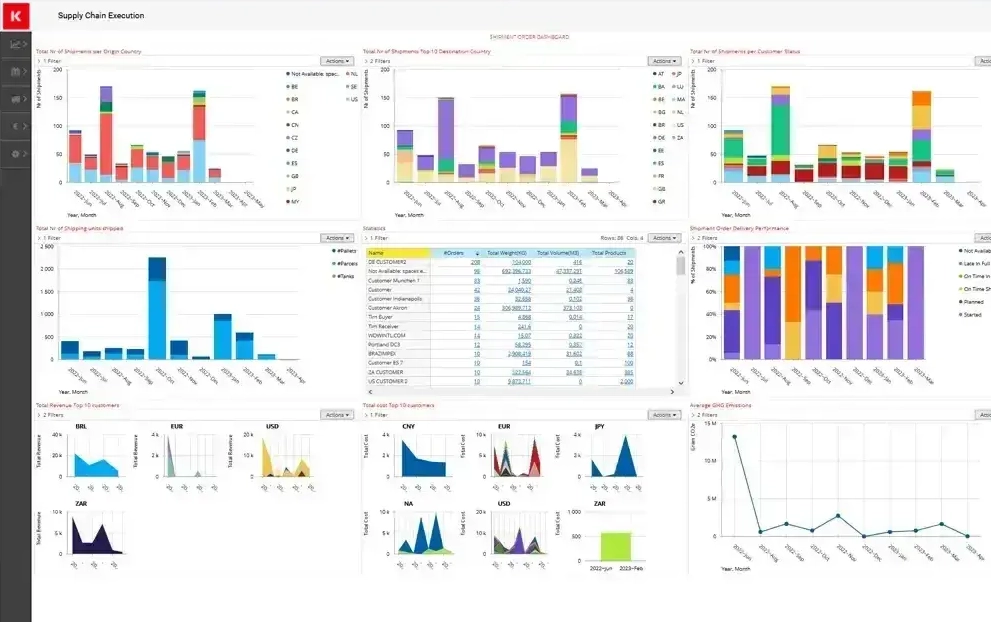
Kinaxis RapidResponse is a supply chain planning platform with a standout feature: concurrent planning. Every change — from a supplier delay to a demand spike — is reflected across all planning layers in real time. It's built for manufacturers and hi-tech companies managing complex, multi-tier supply chains.
Key features:
- Concurrent planning — all supply chain layers update simultaneously
- Real-time scenario and what-if analysis
- End-to-end supply chain visibility
- Demand planning and supply balancing
- Configurable alerts and exception management
Pros and cons:
| ✅ Pros | ❌ Cons |
|---|---|
| Real-time scenario planning is genuinely strong | High cost — enterprise-tier pricing |
| Intuitive for supply planners | Not built for retail (no planogram, no fresh logic) |
| Scales across complex global supply chains | Retail-specific features are limited |
| Strong community and G2 ratings | Requires significant configuration effort |
How it compares to Blue Yonder:
- ✅ Better at: Real-time concurrent planning; manufacturing supply chain; hi-tech vertical
- ❌ Worse at: Retail-specific functionality (fresh, planograms, store-level replenishment)
Best for: Large manufacturers and CPG companies with multi-tier supply chains who need real-time scenario planning. Not the right fit for retail-first businesses.
Bottom line: Kinaxis is a strong Blue Yonder alternative for manufacturing-heavy industries. For retail, you'd be paying enterprise prices for features that don't map to your use cases.
5. RELEX Solutions
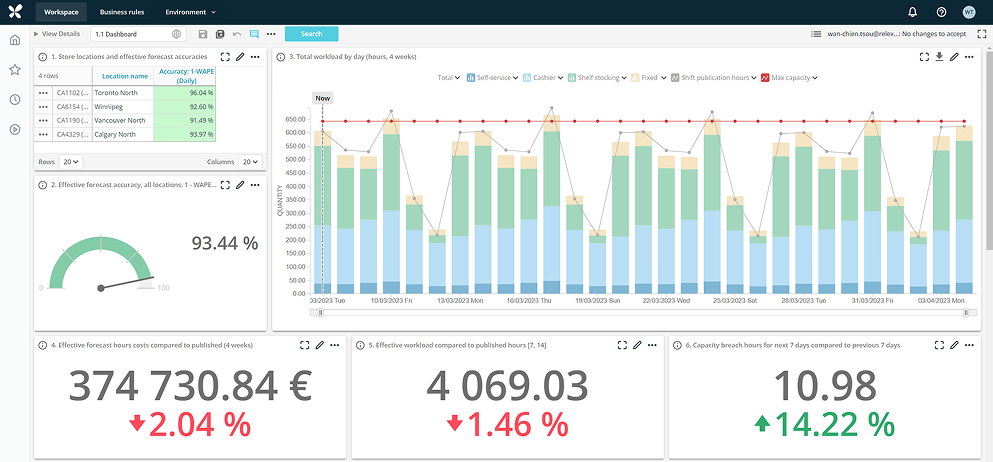
RELEX Solutions is a retail-native unified planning platform covering demand forecasting, replenishment, store operations, and space planning. It's one of the strongest Blue Yonder competitors for grocery and fashion retailers specifically. RELEX has notable strengths in fresh category handling—something Blue Yonder has historically struggled with. For more on how RELEX compares across the market, see top RELEX Solutions alternatives and our full Leafio vs RELEX comparison.
Key features:
- Unified retail planning tools across demand, supply, and store operations
- Strong fresh and perishable category algorithms
- Automated replenishment with promotional uplift modeling
- Space planning and planogram management (separate module)
- Store execution tools
Pros and cons:
| ✅ Pros | ❌ Cons |
|---|---|
| Retail-native with strong fresh category support | Implementation takes 12+ months — similar to Blue Yonder |
| Covers large retailer scale (1,000+ stores) | High cost — not accessible for mid-market |
| Strong European market presence | Planogram is a separate module, not included |
| Good G2 reviews from grocery retailers | Less known in North American mid-market |
How it compares to Blue Yonder:
- ✅ Better at: Retail-native platform; fresh/perishable algorithms; unified retail planning
- ❌ Worse at: Cost and timeline for mid-market; planogram is not built-in
Best for: Large grocery or fashion retailers with 500+ stores and enterprise budgets who want a retail-focused alternative to Blue Yonder.
Bottom line: RELEX is the closest enterprise-tier substitute for Blue Yonder in retail. But if you want faster deployment at lower cost, Leafio AI is worth comparing first.
6. o9 Solutions
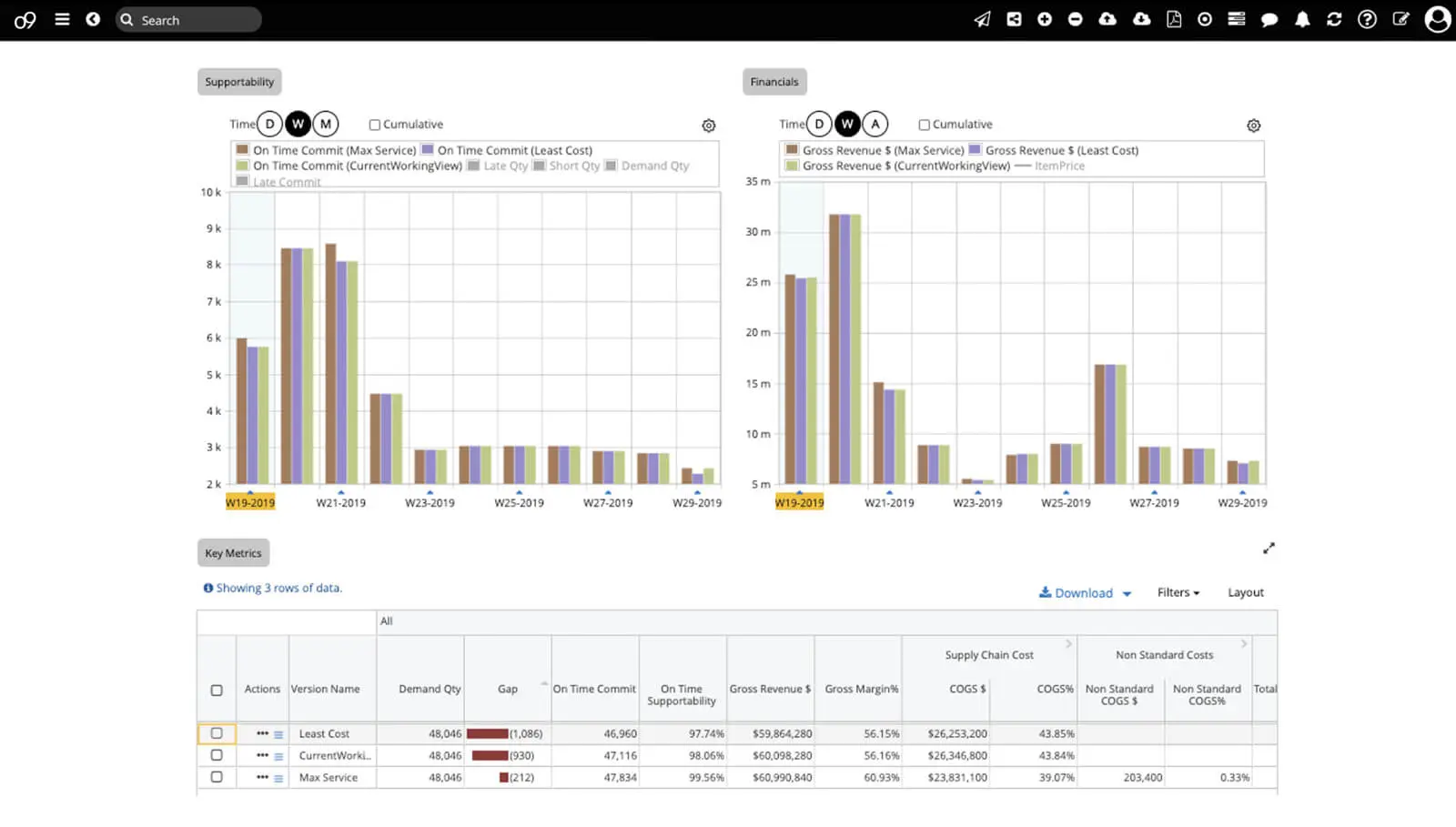
o9 Solutions is an AI-driven integrated business planning platform. It's built for large CPG companies and enterprise retailers who need flexible, custom planning models. It runs on a more modern AI/ML stack than Blue Yonder. For a full comparison across the market, see top o9 Solutions alternatives.
Key features:
- AI/ML-driven demand sensing and forecasting
- Integrated business planning (S&OP / IBP)
- Scenario planning and simulation
- Financial and supply chain model integration
- Flexible data modeling for custom planning use cases
Pros and cons:
| ✅ Pros | ❌ Cons |
|---|---|
| Modern AI/ML platform with strong flexibility | Requires significant technical resources to configure |
| Good for large CPG scenario planning | Not retail-ready out of the box |
| More modern architecture than Blue Yonder | High cost — enterprise pricing only |
| Strong for connected enterprise planning | Not designed for store-level or planogram use |
How it compares to Blue Yonder:
- ✅ Better at: AI/ML depth for CPG planning; modern platform architecture; flexibility for custom scenarios
- ❌ Worse at: Retail-specific functionality out of the box; cost for mid-market retailers
Best for: Large CPG companies and enterprise retailers who need custom AI-driven planning models and have the technical team to support them.
Bottom line: o9 is a legitimate alternative to Blue Yonder for enterprise planning, but it's not a retail-first tool. Mid-market teams will struggle with the configuration requirements.
7. Manhattan Associates
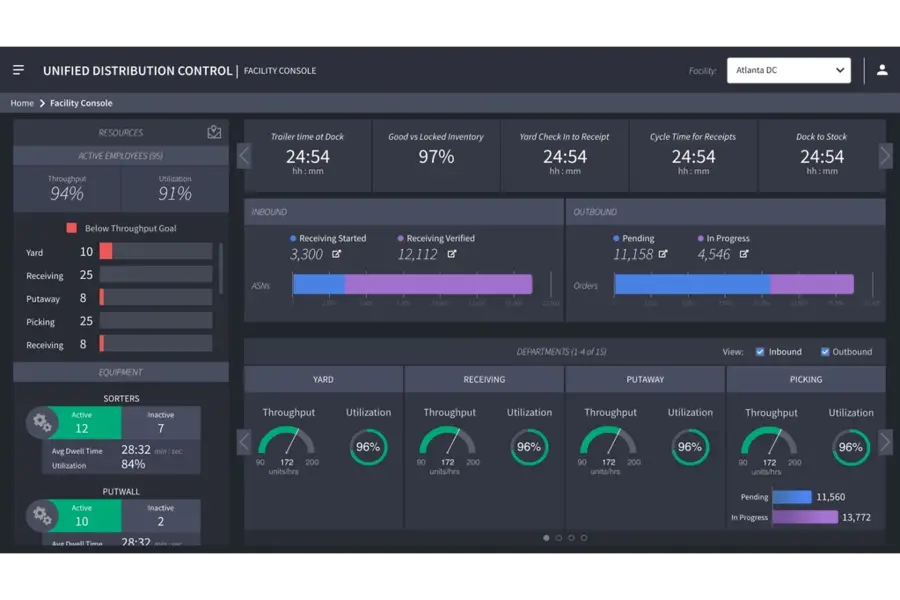
Manhattan Associates is best known for its warehouse management (WMS) and order management (OMS) capabilities. It's built for omnichannel retailers managing complex fulfillment operations across stores, DCs, and e-commerce. If your main pain point with Blue Yonder is on the WMS/fulfillment side, Manhattan is worth evaluating.
Key features:
- Industry-leading warehouse management system (WMS)
- Omnichannel order management and fulfillment orchestration
- Inventory visibility across channels
- Store fulfillment and BOPIS support
Pros and cons:
| ✅ Pros | ❌ Cons |
|---|---|
| Strongest WMS in this group | High cost and complex implementation |
| Best-in-class omnichannel order management | Not an inventory optimization or planogram tool |
| Strong retail fulfillment track record | Focused on execution, not upstream planning |
How it compares to Blue Yonder:
- ✅ Better at: Warehouse management; omnichannel fulfillment; order orchestration
- ❌ Worse at: Inventory optimization and demand planning for retail; planogram management
Best for: Retailers whose primary challenge is warehouse operations and omnichannel fulfillment — not demand planning or store replenishment.
Bottom line: Manhattan is a specialized tool, not a full Blue Yonder equivalent. It solves a different problem. Use it to complement a planning platform, not replace one end-to-end.
8. Anaplan
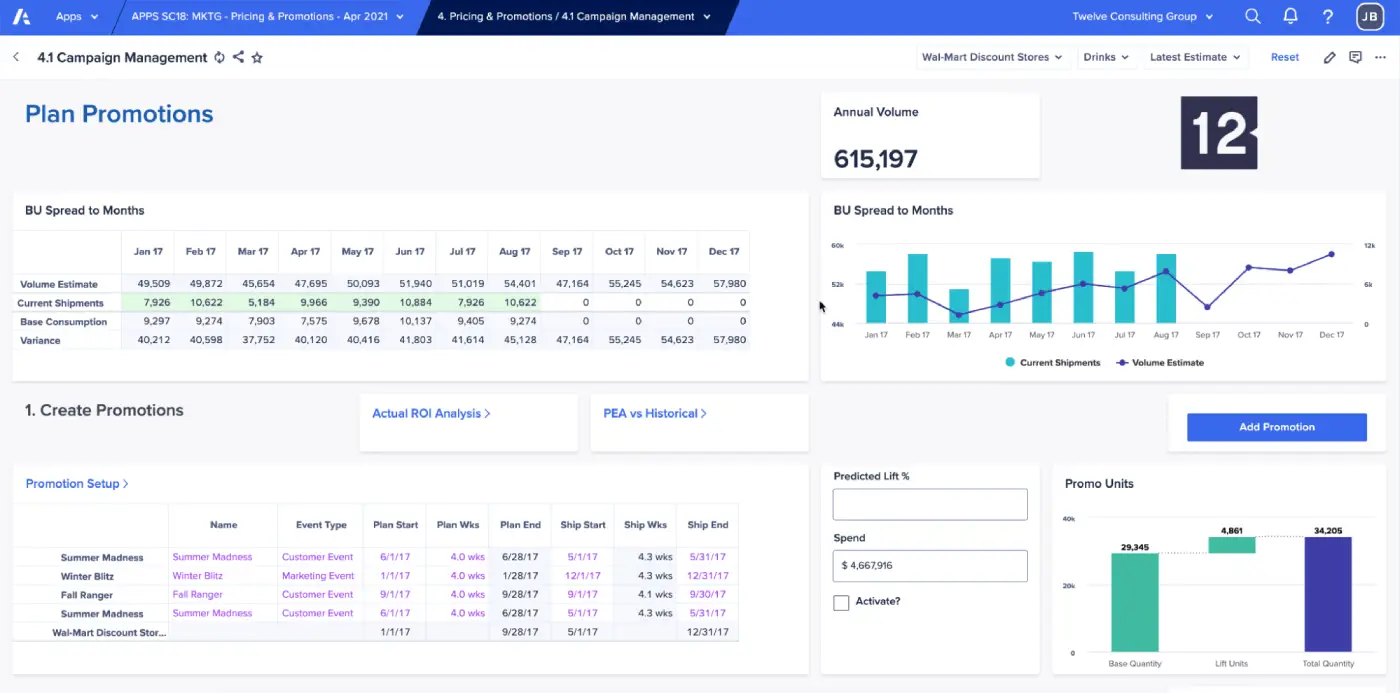
Anaplan is a connected planning platform that integrates financial planning with supply chain modeling. It's used mainly by finance-led organizations that want one platform for budgeting, S&OP, and supply planning. The flexibility is real — but so is the complexity.
Key features:
- Connected financial and supply chain planning
- Flexible scenario modeling and simulation
- S&OP integration across finance and operations
- Collaboration tools for cross-functional planning
Pros and cons:
| ✅ Pros | ❌ Cons |
|---|---|
| Financial + SCM integration in one platform | Weaker in supply chain execution vs Blue Yonder |
| Flexible modeling environment | High cost; requires technical resources |
| Free trial available | Not a retail-specific tool |
How it compares to Blue Yonder:
- ✅ Better at: Financial planning integration; connected C-level planning models
- ❌ Worse at: Retail inventory optimization; planogram; replenishment execution
Best for: Companies where finance and supply chain planning are closely linked and need a unified modeling environment.
Bottom line: Anaplan is a replacement for Blue Yonder only at the strategic planning layer. It's not a match for retail execution needs.
9. Netstock
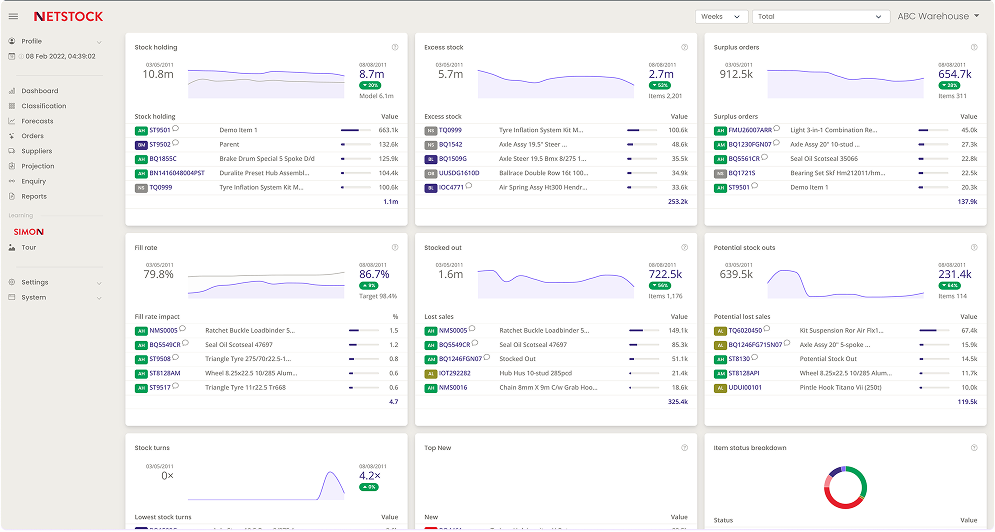
Netstock is an inventory management tool for small and lower mid-market businesses. It's popular for its simplicity, quick deployment, and accessible pricing. If Blue Yonder is too expensive and too complex for your business size, Netstock is at the other end of the spectrum. For more comparisons in this space, see top Netstock alternatives.
Key features:
- Demand forecasting and inventory replenishment
- Supplier management and purchase order automation
- Simple dashboards and reporting
- ERP integrations (Sage, NetSuite, SAP Business One)
Pros and cons:
| ✅ Pros | ❌ Cons |
|---|---|
| Simple to use — low learning curve | Limited functionality for multi-store retail |
| Fast deployment — weeks, not months | Weak analytics compared to enterprise tools |
| Accessible pricing for SMB | No planogram or merchandising features |
| Free trial available | Not scalable for 100+ store operations |
How it compares to Blue Yonder:
- ✅ Better at: Price and simplicity for small businesses; fast onboarding
- ❌ Worse at: AI capabilities; scalability; retail planning depth; planogram
Best for: Small businesses with under 20 locations looking for basic inventory management without enterprise complexity or cost.
Bottom line: Netstock is not a like-for-like Blue Yonder replacement. It's a simpler, cheaper tool for smaller businesses. If you need software like Blue Yonder at a fraction of the cost but with real retail depth, Leafio AI is the more credible option.
How to Choose the Right Blue Yonder Alternative
The right choice depends on your business size, retail vertical, ERP, and how fast you need results. Use this checklist to narrow your options:
- What's your current ERP? SAP users → evaluate SAP IBP first. Oracle users → Oracle SCM Cloud. Everyone else → Leafio AI or RELEX.
- How many stores do you operate? 50–500 → Leafio AI is the best fit. 500+ with enterprise budget → RELEX or SAP IBP.
- Do you sell fresh or perishable goods? Yes → Leafio AI or RELEX Solutions. Both support daily replenishment cycles and short shelf-life logic.
- What's your implementation timeline? Under 3 months → Leafio AI or Netstock. 12+ months acceptable → RELEX, SAP IBP, or Oracle.
- What's your TCO budget over 3 years? Under $500k → Leafio AI or Netstock. Over $1M → Blue Yonder alternatives like SAP IBP or RELEX.
- Do you need WMS or fulfillment capabilities? Yes → add Manhattan Associates to your evaluation.
- Is connected financial planning critical? Yes → consider Anaplan or SAP IBP alongside a retail execution tool.
For retailers managing different store formats and localized demand, retail assortment planning solutions are another important part of the technology stack alongside forecasting, replenishment, and planogram management.
Switching from Blue Yonder to Leafio AI
Making the move away from Blue Yonder doesn't have to be a multi-year project. Here's how mid-market retailers typically handle it in 8–16 weeks:
- Export your historical data from Blue Yonder. Pull at least 2 years of sales history, product master data (SKUs, categories, and shelf life), supplier catalogs, and store hierarchy. Export in CSV or standard EDI format.
- Map Blue Yonder modules to Leafio equivalents. Blue Yonder Demand Planning → Leafio Demand Planning. Blue Yonder Replenishment → Leafio Inventory Optimization. Blue Yonder Space Planning → Leafio Planogram (Shelf Efficiency).
- Plan your ERP integration. Leafio connects to SAP, Oracle, 1C, and custom ERP systems via API. Standard integration takes 2–4 weeks with Leafio's implementation team; no third-party consultants required.
- Run parallel planning for 4–6 weeks. Keep Blue Yonder running while Leafio generates its first forecasts on the same SKUs. Compare results side by side. This is how you validate forecast accuracy before you cut over.
- Train your team. Leafio onboarding takes 2–4 weeks for operations and planning teams. Blue Yonder training programs typically run 6+ months. Most users are effective within the first two weeks.
- Decommission Blue Yonder modules. Once parallel results confirm Leafio's forecast quality, begin switching off Blue Yonder modules one by one. Start with replenishment, then demand planning. Most teams reach full cutover by week 10–12.
- Full migration complete. For most mid-market retailers, the total migration timeline from data export to full Blue Yonder decommission is 8–16 weeks. That's 6–18 months faster than the average Blue Yonder initial deployment.
If you're evaluating a Blue Yonder replacement for your retail chain, start with a scoped demo rather than a full RFP process. Leafio AI can show you how your specific assortment and store structure would work on the platform—before you commit to anything.
Switching from Blue Yonder doesn't have to be painful. Most mid-market retailers complete the move to Leafio AI in under 16 weeks. Our implementation team handles the integration setup, data migration, and training; no $300/hr consultants are required. Talk to our team →
Readers considering the enterprise option in this comparison can also review Blue Yonder alternatives to see how other platforms differ in cost, scope, and retail specialization.
FAQ
What are the best alternatives to Blue Yonder?
The best Blue Yonder alternatives depend on your business type and budget. For mid-market retail, Leafio AI is the most direct fit: faster to deploy, retail-native, and built for grocery, pharmacy, and fashion chains. For enterprise retailers already on SAP, SAP IBP is worth evaluating. For large grocery chains with a 12+ month timeline, RELEX Solutions is a strong choice. Other notable Blue Yonder competitors include o9 Solutions, Oracle SCM Cloud, Kinaxis, Manhattan Associates, Anaplan, and Netstock.
Is Blue Yonder Tier 1 or Tier 2?
Blue Yonder is considered a Tier 1 enterprise supply chain platform. It sits in the Leaders quadrant of the Gartner Magic Quadrant for Supply Chain Planning Solutions. That said, Tier 1 doesn't mean the right fit for every company. Blue Yonder is designed for large manufacturers and CPG companies; not mid-market retailers. A Tier 1 label doesn't offset an 18-month implementation or a $1M+ price tag if neither fits your business.
Is Blue Yonder the best choice compared to Oracle?
It depends entirely on your ERP environment. If you're running Oracle ERP Fusion, Oracle SCM Cloud gives you tighter native integration and a simpler tech stack than Blue Yonder. If you're not on Oracle, the comparison shifts. For retail-specific planning — demand, replenishment, planograms — both Blue Yonder and Oracle SCM Cloud leave gaps that a retail-native tool like Leafio AI or RELEX Solutions fills more directly.
Is Leafio AI better than Blue Yonder?
For mid-market retail specifically, yes. Leafio AI deploys in 4–8 weeks vs Blue Yonder's 18–24 months. It's built for retail—fresh categories, store-level replenishment, and planogram management—all in one platform. Blue Yonder goes deeper on manufacturing supply chains and enterprise-scale CPG. If you're a retailer with 50–500 stores and you don't need a manufacturing planning layer, Leafio AI is a more practical and cost-efficient alternative to Blue Yonder.
How much does Blue Yonder cost?
Blue Yonder licensing typically runs $200,000–$1,000,000+ per year. Implementation is priced separately and often starts at $500,000, especially when delivered through an Accenture or Deloitte SI partner. Total first-year cost for a mid-to-large retailer can exceed $1.5–2M. Exact pricing is by quote only. This cost structure is one of the primary reasons mid-market businesses look for a replacement for Blue Yonder.
Can I easily migrate from Blue Yonder to Leafio AI?
Yes. Most mid-market retailers complete the migration in 8–16 weeks. The process involves exporting historical data from Blue Yonder (2+ years of sales), setting up ERP integration with Leafio (2–4 weeks via API), running a 4–6-week parallel planning period to validate forecast quality, then switching off Blue Yonder modules one by one. The full migration guide is in the "Switching from Blue Yonder to Leafio AI" section above.
Which alternative is best for grocery retailers?
Leafio AI and RELEX Solutions are the two strongest options for groceries. Both handle fresh and perishable categories with daily replenishment cycles and shelf-life logic built in—something Blue Yonder doesn't do natively. The key difference: Leafio AI deploys in 4–8 weeks at mid-market pricing. RELEX is stronger for very large grocery chains (1,000+ stores) but requires 12+ months and an enterprise budget. For most grocery retailers with 50–500 stores, Leafio AI is the better starting point.


Have a question?

Mary Makarchuk
Retail Optimization Expert