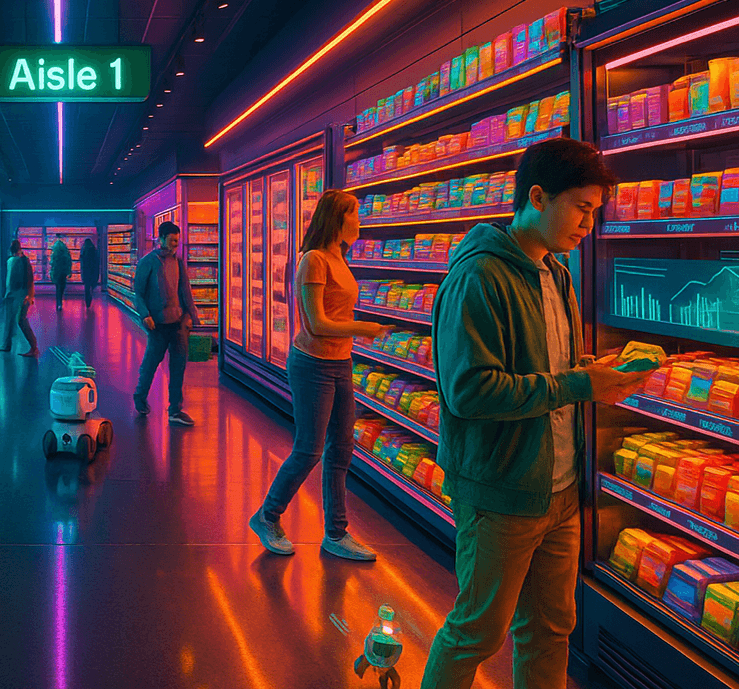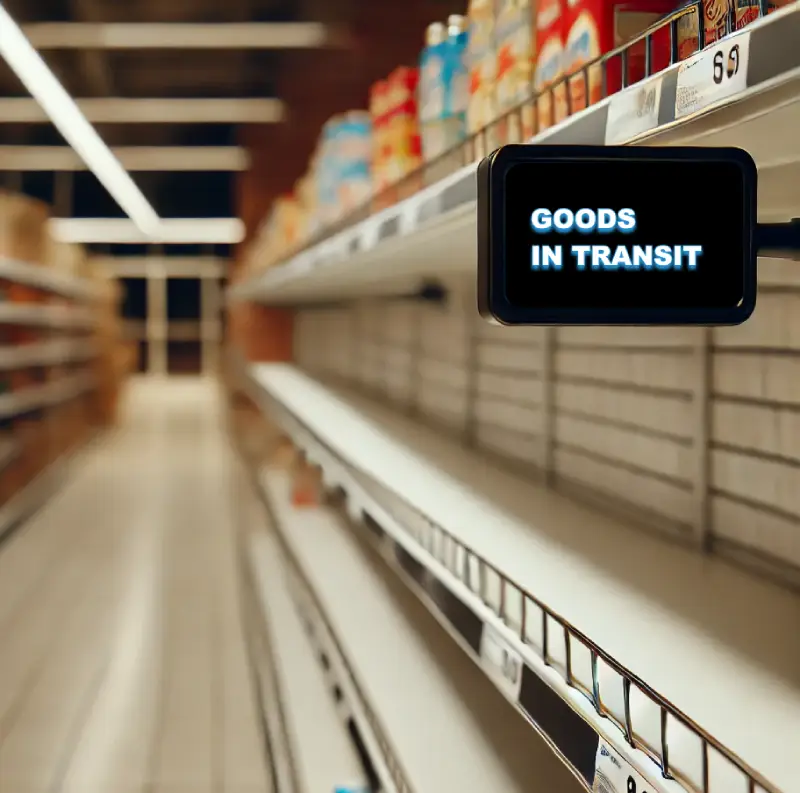


According to Retail Insight 78% of U.S. shoppers and 82% of U.K. shoppers still face out-of-stock items when doing their daily shopping. Could it be that long lead times are affecting your sales and customer loyalty? Shoppers expect products to be available when they need them—otherwise, they will look elsewhere. The good news is that with the right strategies, you can optimize lead times, keep shelves stocked, and turn reliability into a competitive advantage.
Key Takeaways
Long lead times require smarter planning to avoid stockouts or overstock.
Buffer with safety stock.
Forecast demand more precisely.
Diversify suppliers where possible.
Monitor supplier performance.
Use expedited options strategically.
What Is Lead Time in Retail Supply Chains?
Lead time in retail is the period between placing an order and actually receiving the goods. During this period of time, several necessary processes take place: from production to delivery and placement in the warehouse and on the sales floor. If you have a long lead time problem, you will need to look for a solution to optimize the stages.

But first, let's look at different types of lead times in retail and analyze their meaning:
- Procurement lead time. It is needed to find and purchase products from suppliers. This includes research, communication with the supplier, and contract negotiations.
- Production lead time or manufacturing lead time. This is the time from the moment an order is placed to the end of production. This is relevant for private-label products and goods made to order. The production process can be affected by the company's capacity, material lead time, supply chain efficiency, and labor efficiency.
- Delivery lead time. This is the period between the shipment of products and their arrival at the distribution center or store. The indicator depends on the delivery method, the reliability of the carrier, the need to go through customs control, etc.
- Customer lead time. This is the period between placing an order and the actual receipt of the product by the customer. You can improve customer satisfaction in this area by using different delivery options, optimizing order-picking processes
- Cumulative lead time. This is the period of time required for a retailer to receive finished products, taking into account all previous processes.
The Root Causes of Long Lead Times in Retail
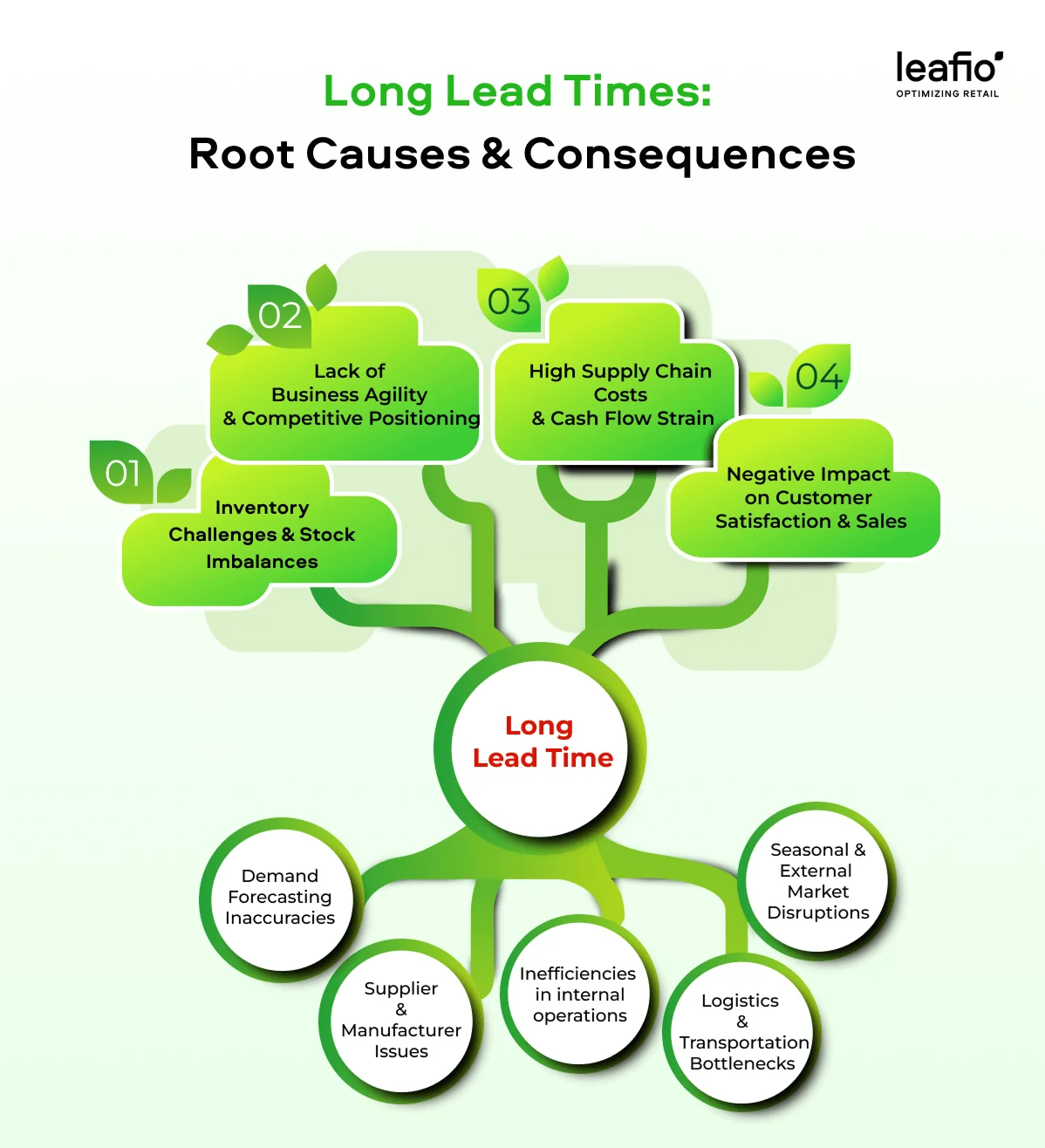
Long lead times reduce profitability and can make a retailer uncompetitive. It's obvious because customers who need a product here and now will buy it in stores that actually carry it. Clearly, action needs to be taken, but the smart thing to do is to first find out why the delays are occurring. Let's start by analyzing the potential causes of the problem.
Demand Forecasting Inaccuracies
One of the reasons for long lead times is inaccurate demand forecasting, which affects the entire inventory management process. If a retailer cannot accurately forecast demand (or lacks the expertise to do so), they are more likely to face challenges in placing timely orders and determining optimal quantities. As a result, there is a mismatch between expectations and actual customer demand.
Supplier and Manufacturer Issues
Supply chain lead times can be directly related to manufacturers or suppliers. For example, a shortage of workers, faulty equipment, shortages of raw materials, or general ineffective management lead to an increase in production lead time and the failure to fulfill some orders. External factors can also come into play, such as bad weather that makes timely transportation impossible. The problems only snowball if the retailer has only one supplier.
If there are contracts with local suppliers as well as with international companies, there are also risks. For example, a shortage of raw materials due to sanctions.
Inefficiencies in internal operations
Long lead times in inventory and orders can also be the result of inefficient management. It might be surprising to hear, but there are still companies that rely on manual processes instead of automation.
Manual data entry and processing is not only a waste of staff time. It also carries a high risk of errors. Not to mention slower work and the inability to respond quickly to changes. This slows down order fulfillment and leads to mismatches between inventory levels and demand.
Logistics and Transportation Bottlenecks
The development of e-commerce has become a factor of additional pressure on the lead time in the supply chain. Port congestion, container shortages, and last-mile delivery problems all lead to longer lead times.
Retailers often have limited access to information about inventory in transit. This forces them to switch from proactive planning to reactive solutions.
Due to sharp and unpredictable changes in demand or the need to correct planning errors, retailers are occasionally forced to resort to urgent delivery.
Seasonal and External Market Disruptions
Lead time in inventory also depends on seasonal changes and other factors that significantly increase time costs. But while it is possible to prepare for the New Year, the start of school, or Black Friday, natural disasters, pandemics, and wars completely destabilize processes and the bad thing is that they are tough to predict.
The Consequences of Long Lead Times in Retail
Long lead times not only create operational problems but also have serious consequences. Of course, we are talking about the impact on finances, customer loyalty, and business competitiveness. Let's take a closer look at it.
Inventory Challenges and Stock Imbalances
When a retailer can't replenish inventory quickly, it loses revenue. In particular:
- lack of stock due to long lead times provokes a shortage and leads to loss of sales, lower audience retention, and a drop in brand reputation;
- ordering an excessive amount of inventory to compensate for delays causes excess inventory and ties up capital in slow-moving products.
Inventory delays also affect sales, as retailers are forced to introduce discounts and discounting strategies to reduce old stock. This, in turn, reduces margins and trains customers to wait for discounts and not buy at the regular price.
Supply Chain Costs and Cash Flow Strain
The longer products remain in storage, the higher the costs for warehousing, insurance, security measures, etc. The longer goods are in storage, the higher the risk of shrinkage, obsolescence, and depreciation. This is especially true for the technology, FMCG, and fashion sectors.
As a result, the working capital of the business is blocked in unsold inventory, and the retailer does not have the resources to invest in new product lines, marketing campaigns, or business expansion. They either have to cut costs or take on debt.
Impact on Customer Satisfaction and Sales
Delivery speed is one of the main factors of competitiveness in the retail sector. Therefore, long lead times have a negative impact on customer experience. In particular, due to delays in fulfillment, customers choose faster alternatives – including switching to competitors who have the right products at the ready.
Slow supply chains impede the timely replenishment of inventory, and this is especially true for companies implementing omnichannel strategies. For example, studies have shown that online shoppers want to receive goods within 3.5 days. If the retailer cannot accommodate the order, about 25% will shop elsewhere.
Business Agility and Competitive Positioning
We have already emphasized that retailers with long lead times cannot respond to market trends in a timely manner. When a trend emerges, a slow supply chain gets in the way, and companies miss critical sales periods. The result is missed opportunities for profit and the formation of an excess of outdated products (if the new trend makes old products irrelevant).
Proven Strategies for Optimizing Lead Times in Retail
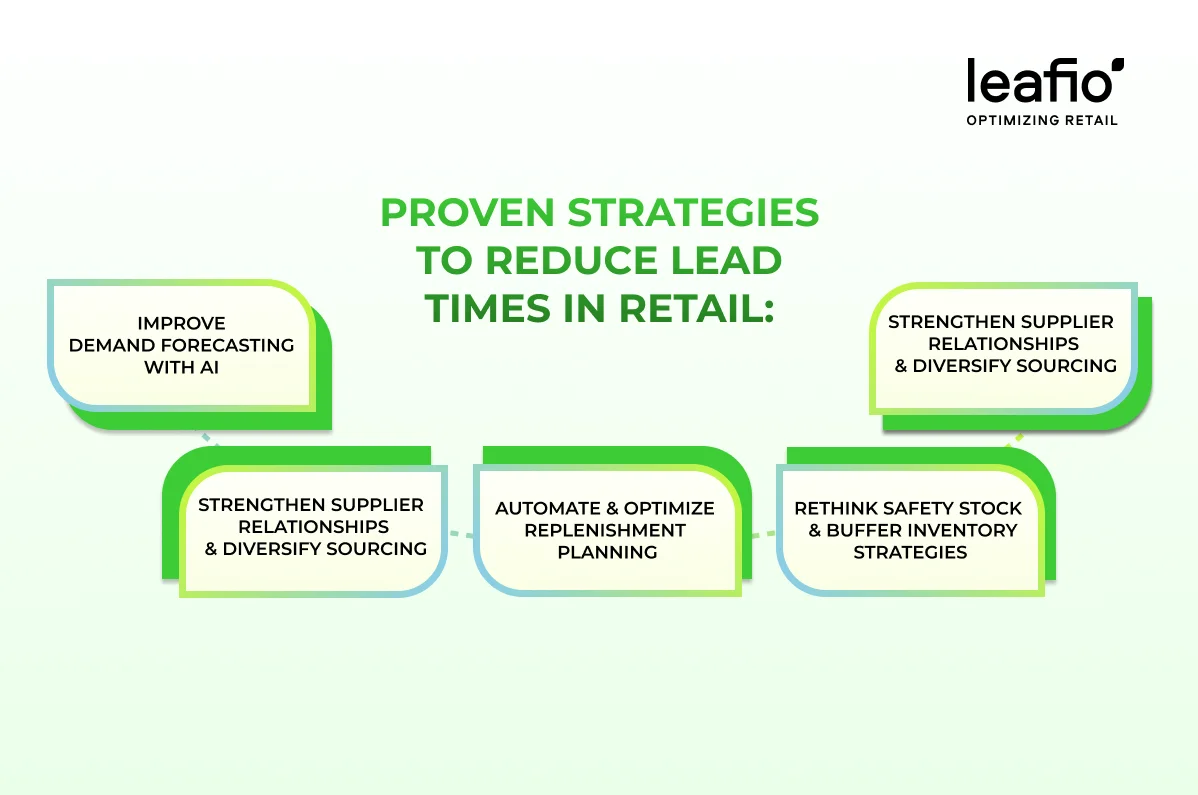
Obviously, reducing lead times is not just beneficial but essential for success in a competitive market. Let's take a look at how to optimize supply chains, increase process efficiency, and find ways to improve at almost every stage. Here are some of the most effective strategies.
Improve Demand Forecasting with AI
Accurate demand forecasting is the best way to reduce lead time and uncertainty. Traditional forecasting models based on historical data are not effective enough in today's realities. In particular, they are not able to predict sudden changes in demand.
The solution? AI-powered predictive analytics that can:
- analyze trends here and now, taking into account internal and external factors, from weather to social media sentiment;
- transform inventory planning from reactive to proactive and ensure that inventory levels match actual demand, not assumptions;
- automate replenishment processes and reduce the risk of sudden depletion.
Strengthen Supplier Relationships and Diversify Sourcing
To optimize your supply chain lead time, you need to strengthen your supplier relationships and diversify your sourcing strategy. Here are a few steps you can take toward improvement:
- Always have a “Plan B” in case of an unforeseen situation. You need backup suppliers who can quickly pick up your orders and maintain continuity of supply.
- Look for local suppliers who can provide shorter lead times and increase process resilience.
- Establish data exchange to improve forecasting efficiency.
- Implement a vendor scorecard to track the KPIs of each partner. Factors may include: on-time delivery, responsiveness, and product quality.
Automate and Optimize Replenishment Planning
An effective way to reduce lead time is to automate the replenishment process using an AI-based system. Making use of this machine learning algorithms allows you to:
- minimize delays by providing timely and accurate demand forecasts, finding the best time to replenish an order, and directly placing an order;
- refine re-order points based on real-time demand fluctuations and the impact of external factors;
- efficiently distribute goods between branches in the network and prevent bottlenecks in regions with high demand.
Rethink Safety Stock and Buffer Inventory Strategies
A dynamic approach to safety stock planning can help reduce lead time. This means adjusting safety stocks based on real-time demand.
Hybrid strategies that combine the JIT principle with the formation of a strategic reserve can help. You are prepared for disruptions, but you don't have to spend a lot on storage.
It is also important to prepare for peak seasons and possible unforeseen changes in demand. This requires scenario-based modeling. That is, you need to create models of various situations in advance: from a sudden jump in demand for a certain product to a delay in deliveries due to a driver's strike. AI will analyze these scenarios and suggest optimal inventory levels to maximize readiness for different circumstances and lead time reduction in inventory management.
Streamline Logistics and Distribution Networks
Reducing lead times is possible by optimizing distribution networks and investing in digital solutions. For example:
- Distributed fulfillment centers (DFCs) help create regional inventory and reduce the risk of last-mile delivery delays. The speed of order fulfillment is increasing.
- Warehouse automation with the introduction of sorting systems and robotic equipment speeds up order processing and minimizes the impact of human error.
- Integration of supply chain visibility tools provides end-to-end monitoring and helps to identify risks of delays in a timely manner.
How LEAFIO Inventory Optimization Helps Reduce Long Lead Times
Long lead times can disrupt your supply chain, leading to stockouts, excess inventory, and lost sales. LEAFIO Inventory Optimization empowers retailers with AI-driven automation to streamline replenishment and enhance supply chain agility. Here’s how:
- Accurate Demand Forecasting: AI-powered predictive analytics adjust inventory levels based on demand fluctuations, reducing reliance on historical assumptions.
- Automated Replenishment Planning: The system optimally calculates and schedules orders, ensuring stock availability while minimizing excess inventory and storage costs.
- Smart Safety Stock Management: Dynamic safety stock calculations prevent shortages and overstock by adapting to seasonality and unexpected demand shifts.
- Supplier Performance Tracking: Built-in analytics help evaluate supplier reliability, enabling proactive sourcing decisions to mitigate risks from delays.
By turning data into actionable insights, LEAFIO AI ensures your supply chain remains resilient, efficient, and competitive, even in the face of long lead times.
Conclusion
Lead time affects all aspects of the retail business, from inventory management to customer satisfaction. Traditional methods no longer work. Automation, AI implementation, and predictive analytics now increase customer satisfaction and allow you to calculate lead time at lower values.
With AI-powered solutions like LEAFIO Inventory Optimization, you can take control of your supply chain, reduce delays, and keep your shelves stocked. Don’t let long lead times slow your business—start optimizing today!
FAQ
What is lead time in inventory management?
Lead time in inventory management refers to the time it takes for a retailer to receive products after placing an order. It includes several stages: procurement, production, transportation, and distribution. Effective lead time management is crucial for maintaining optimal stock levels, preventing stockouts, and reducing excess inventory.
How to reduce lead time in the supply chain?
Reducing lead time requires a combination of strategies, including improving demand forecasting, automating replenishment, diversifying supplier networks, and optimizing logistics. AI-powered solutions like LEAFIO Inventory Optimization help retailers anticipate demand shifts, adjust safety stock dynamically, and streamline order fulfillment to minimize delays and ensure consistent product availability.
What is the difference between short and long lead time?
Short lead time means faster replenishment, allowing retailers to respond quickly to demand fluctuations and reduce the risk of stockouts. Long lead time, on the other hand, increases the odds of supply chain disruptions, leading to delayed deliveries, lost sales, and higher inventory holding costs. Businesses with long lead times must implement proactive strategies, such as supplier diversification and AI-driven inventory management, to maintain efficiency and competitiveness.


Have a question?

Kristi Miller
Retail optimization expert