LEAFIO Inventory Optimization helped KOLO, an Eastern European convenience store chain with 236 stores at the time of rollout, cut overstock by 43%, reduce lost sales by 13% and speed up inventory turnover by 17% in its first full quarter on the system (Q2 2023 compared with Q1 2023). Over the same period, like-for-like sales grew 20% and SKU availability improved by 14%. KOLO moved its entire network from its previous auto-replenishment system to LEAFIO at once, generating nearly 5,000 automated orders on peak days.
Results at a Glance
Scale: 236 stores (2023) · 3,500+ SKUs · 40–100 m² convenience stores · Eastern Europe
LEAFIO Inventory Optimization
| Metric | Result |
|---|---|
| Overstock | −43% |
| Like-for-like sales | +20% |
| Inventory turnover | 17% faster |
| Lost sales | −13% |
| SKU availability | +14% |
| Assortment connected at go-live | 100% |
| Automated orders on peak days | ~5,000 |
Timeframe: Q2 2023 (first full quarter on LEAFIO) compared with Q1 2023, same stores. Go-live: the entire network switched at once.
The Challenge: Replacing an auto-replenishment system without a gap in supply
A working system, a higher bar
KOLO was already ordering automatically with a different system when the project started. Its inventory management department, a team of three, ran replenishment for the whole network. Management was looking for a more efficient solution with similar operational logic: one that would improve inventory KPIs, simplify order management and account for day-of-week demand swings in fresh goods.
Manual demand estimates for new products
Every time a new product entered the assortment, the commercial department estimated its demand by hand and entered it into the auto-order system, which took time and left room for human error.
Inventory reporting outside the replenishment tool
Analytical inventory reports were built in the ERP, separate from the system that actually generated the orders.
A fixed cut-over date
KOLO wanted a fast transition and set clear deadlines for disconnecting the old system and launching the new one. Any gap between the two would have meant stores going without automated orders.
Project goals: reduce lost sales, improve SKU availability, reduce excess inventory and speed up inventory turnover.
The Solution: A network-wide switch to LEAFIO Inventory Optimization
LEAFIO Inventory Optimization is normally rolled out in three steps: integration, a pilot assortment, then scaling. For KOLO, the implementation team adapted this sequence to the fixed cut-over date: it prepared the data, trained staff and ran test orders before the switch.
Go-live in numbers: switched the day after the old system was shut down, across the entire network at once, with all algorithms active, 100% of the assortment connected and nearly 5,000 automated orders on peak days.
Training continued without interruption throughout the project, and the LEAFIO AI and KOLO teams stayed in daily contact by email and online meetings.
"The KOLO project team was actively involved in the implementation process. Employees participated in solving all tasks and promptly provided feedback on necessary issues. Thanks to this collaboration, we successfully adapted LEAFIO Inventory Optimization to the specifics of the network's business processes," says LEAFIO AI’s project manager.
Results: Less overstock and fewer lost sales in the first quarter
Comparing Q1 2023, when KOLO was still on its previous system, with Q2 2023, its first full quarter on LEAFIO Inventory Optimization:
- Overstock fell 43%.
- Like-for-like sales across the same stores grew 20%.
- Inventory turnover sped up by 17%.
- Lost sales fell 13%.
- SKU availability improved by 14%.
There was no gap in supply during the switch: from the first day, LEAFIO's automatic replenishment generated orders for every store, with the full assortment and all forecasting algorithms live across the network.
Operational Impact
Demand for new products, calculated automatically
Instead of the commercial department estimating demand for new products by hand, LEAFIO now calculates it using store and product clustering. This takes a recurring manual task off the commercial team, freeing time for strategic work, and removes a common source of ordering errors.
Day-of-week demand built into orders
For products ordered more than once a week, the system calculates a demand coefficient for each day of the week and adjusts average daily consumption accordingly, so weekday and weekend demand are no longer treated the same.
Adjustable service levels for fresh goods
A service level parameter lets KOLO's team balance availability against write-offs in the fresh category and shift that balance for specific periods as business priorities change.
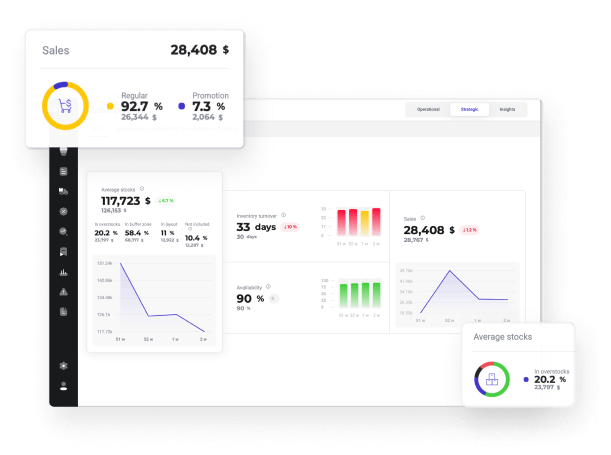
40+ reports inside the replenishment system
The inventory team now works from more than 40 built-in reports instead of ERP exports. One of the first reports the team started using was Phantom Inventory, which flags products that normally sell but show unsold stock, a sign that an item is missing from the shelf or that the recorded stock is wrong.
"Products missing from the shelf lead directly to lost sales, and inaccurate stock records lead to wrong orders. The Phantom Inventory report helps the inventory team find and fix both problems quickly." explains the project manager.
Cross-dock orders recalculated on arrival
Cross-dock orders are automatically recalculated when goods arrive at the warehouse, so store allocations reflect what is actually available at delivery time rather than at the time of the original calculation.
Conclusion
KOLO replaced a working auto-replenishment system without a phased rollout and without a gap in supply. The chain moved its entire network to LEAFIO Inventory Optimization at once, and within its first full quarter cut overstock by 43% and lost sales by 13%. Tasks that used to depend on people, from demand estimates for new products to inventory reporting in the ERP, now run inside the replenishment system.
About KOLO

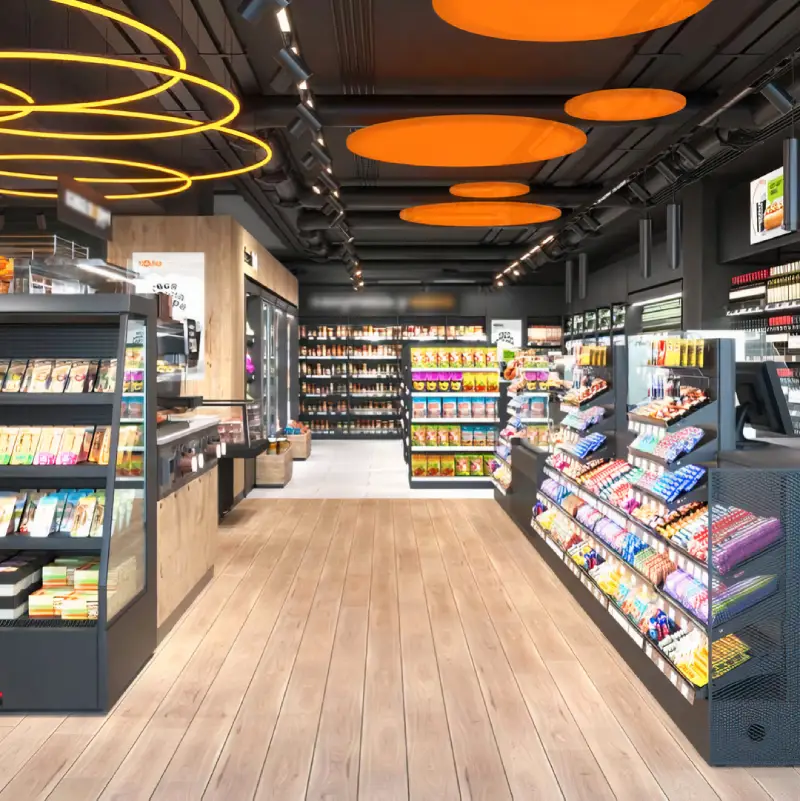
KOLO is a convenience store chain in Eastern Europe, founded in 2017 and built around compact 40–100 m² neighborhood stores. At the time of the LEAFIO Inventory Optimization rollout in 2023, it operated 236 stores with an assortment of more than 3,500 SKUs, from bread, dairy, fruit, vegetables and beverages to coffee, food to go and everyday non-food items. As of 2026, KOLO runs 250+ stores.
FAQ
What results did KOLO achieve with LEAFIO Inventory Optimization?
In its first full quarter on the system (Q2 2023 vs Q1 2023), KOLO cut overstock by 43%, reduced lost sales by 13%, sped up inventory turnover by 17%, improved SKU availability by 14% and grew like-for-like sales by 20%.
How did KOLO switch from its previous auto-ordering system to LEAFIO?
In one step. KOLO moved its entire network to LEAFIO Inventory Optimization the day after its previous system was shut down. All algorithms were active and 100% of the assortment was connected from the first day, and on peak days the system generated nearly 5,000 automated orders.
How does LEAFIO forecast demand for new products at KOLO?
LEAFIO calculates demand for new products automatically using store and product clustering. Before, KOLO's commercial department estimated this demand by hand and entered it into the ordering system.
How does LEAFIO handle fresh products and weekday demand at KOLO?
For products ordered more than once a week, the system calculates a separate demand coefficient for each day of the week. In the fresh category, a service level parameter lets KOLO balance availability against write-offs.
Which other LEAFIO modules does KOLO use?
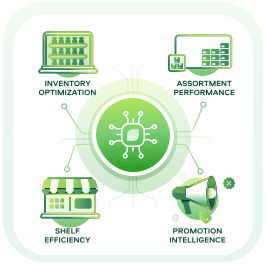
As of 2026, KOLO runs Inventory Optimization, Assortment Performance, Shelf Efficiency and Promotion Intelligence on LEAFIO AI Retail Platform, and also uses the LEAFIO Loyalty management system. Assortment Performance, live since May 2026, passes delisting and rotation decisions directly to the replenishment logic that drives KOLO's automated orders.