

Every extra item on your shelf means additional potential procurement, storage, and management costs. An inefficient assortment is a significant problem because it undermines your efforts in other areas. If left unaddressed, getting space zoning, pricing, and marketing right will become a Sisyphean task. The wrong choice of products will turn your business into a black hole that will eat at your profits and hinder development.
Given its importance, let's examine what assortment rationalization can do to help avoid lost sales, increase inventory turnover, and boost profitability.
Key Takeaways
Rationalizing SKUs frees cash & focuses shoppers on profitable choices.
Cuts overlap in similar products.
Reviews sales vs shelf costs.
Helps shrink long tail losses.
Needs careful shopper impact analysis.
Reviewed annually or seasonally.
What is product rationalization?
Essentially, it is a way of inventory management aimed at reducing costs for retailers and increasing customer satisfaction. In a nutshell, assortment rationalization is a regular product portfolio analysis, optimization, and improvement. The goal is to focus on key (profitable) products and eliminate low-performing ones.
Why it is important
The growth of markets, changing customer preferences, and other factors lead to an oversaturated assortment. “Too much of everything” is the main problem for retailers today. Many items sell poorly, which leads to unnecessary costs. In addition:
- there is fierce competition between well-known brands and private-label products;
- online retail is on the rise. It offers an assortment that is difficult for classic stores to compete with;
- prices are going up, and consumer behavior is changing as well: people are buying less and looking for better deals;
- more and more economy-class stores are springing up and luring many customers away. However, discounters also face the problem of irrational assortment. For example, in one quarter, Dollar General increased its market share and net sales by 2.4%, but its operating profit fell by 41%. This also led to the need for large-scale rationalization.
Why you need an assortment rationalization process
Retail strategy requires product optimization because this process:
- makes the assortment more efficient and helps to get rid of products that do not achieve your goals;
- reduces the internal competition between similar products and helps to increase sales of leading items
- frees up space on the shelves for products that sell well and allows for the timely presentation of new products;
- optimizes the supply chain, reduces inventory costs, and helps respond to market trends swiftly.

Successful assortment rationalization process: a step-by-step guide
In seven steps, let's look at how the SKU rationalization process can change your retail business.
#1. Define your goals
Think about why your business needs this process. Here are some possible ideas and goals:
- Increase profitability, as slow-moving items reduce profits.
- Improve inventory turnover.
- Meet customers' current needs so they don't look for certain items in other stores.
- Simplify inventory management operations and reduce staff workload.
#2. Analyze current data
Sales data always deserves a check. Focus on the most essential things and analyze them:
- Sales efficiency. What products are bought most often? Which ones sit on the shelves for weeks? Check sales and revenue for specific periods.
- Profit margins. Identify the products that are most profitable for your business.
- Costs. Determine the cost of maintaining different product groups. Consider storage, risks of spoilage, potential markdowns, etc.
#3. Find out what customers want
A comprehensive analysis will provide more detailed information about customer demand. Build a customer journey: What are their needs? What issues do the customers address when making the purchases? What items do they buy together? Shopping cart analysis helps you find connections between products and retain valuable combinations.
#4. Assess your own capabilities
Check what your actual situation is before you start making decisions.
Things to check:
- Reliability of suppliers: minimum order quantities and lead times; can orders be consolidated and conditions improved?
- Retail space: How much space is available in the store and on the shelves, and is there room for expansion or improvement?
- Logistics: can the current infrastructure handle assortment changes?
#5. The hard part: combine the data and draw conclusions
Now, it's time to group the information you've collected and make a decision. You can divide your findings into three categories:
- What to optimize? These products can be increased by making minor adjustments, such as finding more favorable shelf space.
- What should we add? The assortment does not represent these products well enough to meet current demand.
- What to reduce or remove? These products sell poorly at low margins, move slowly, or are no longer of interest to customers.
#6. Implement changes
Make the process comprehensive:
- Inform managers and staff and give them the necessary resources to work with.
- Plan inventory changes so that discontinued items effectively overlap with new products.
- Optimize shelf space to accommodate the updated assortment.
#7. Monitor and adjust
Product rationalization is an ongoing process. Therefore, closely monitor the results of changes: sales, profits, customer satisfaction, and inventory turnover. Be prepared to make further changes and adjustments, both small day-to-day and far-reaching. It is best to consider these processes a continuous cycle of analysis, decision-making, and results monitoring.
Methods of Assortment Rationalization
There are several approaches to assortment optimization:
- ABC analysis. Divide products into categories depending on the level of sales and contribution to profits.
- Item rationalization. Evaluate each item to remove unprofitable, redundant, and slow items.
- Category management. Analyze categories based on customer needs and market trends.
- Space optimization. Determine how to use shelves most effectively to increase sales and profitability.
- Demand forecasting. Use market and sales data to predict customer behavior.
- Customer segmentation. Tailor your assortment to meet the specific needs of different customer groups.
Plan an effective assortment with LEAFIO AI
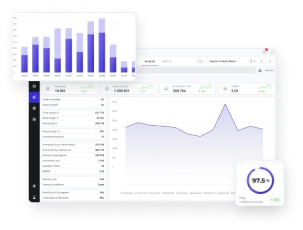
LEAFIO AI's Assortment Planning Software is an effective solution for data-driven rationalization. There is no guessing or assumptions; it is only an analysis of vast amounts of information, cold calculation, search for patterns and balanced recommendations. Use the software to:
- Analyze sales figures, customer preferences, and space constraints to determine which products to keep, replace, or remove.
- Provide retailers with demand forecasting results, category performance metrics, and recommendations.
- Help ensure a balanced, profitable, and customer-centric assortment.
- Help increase sales, improve inventory turnover, and increase customer satisfaction.
Key Takeaways
- Eliminating redundant SKUs reduces procurement, administrative, and storage costs.
- A rationalized assortment is inherently more efficient. It reduces the share of products that do not meet business goals.
- An efficient assortment contributes to developing successful zoning, marketing, and pricing strategies.
- Optimizing assortment requires a lot of data, and AI-based tools are perfect for handling it.


Have a question?

Ben Starynskii
AI-driven retail transformation expert