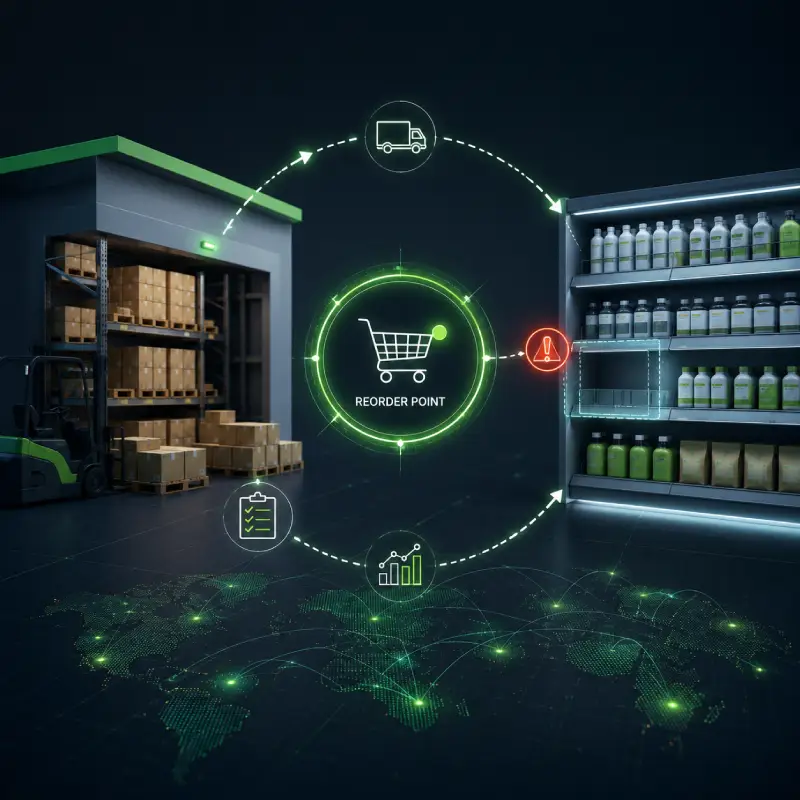



Using Excel for managing suppliers, handling multiple windows simultaneously, and creating purchasing orders manually often leads to confusion, errors, and lost profits. According to the "Future of Fulfillment Vision Study", 55% of retailers still use manual processes for their supply chain and face inefficiencies and the potential for errors in current operations.
In contrast, companies that have implemented centralized purchasing systems have significantly increased their efficiency. Research from McKinsey indicates that centralizing the purchase order process can improve performance by up to 20–30% as well as streamline operations, and enhance the overall coordination of supply chain activities. The need for advanced Purchase Order Management Systems (POMS) is evident.
This article explores the essential aspects of purchase order management, current inventory management techniques, their benefits, and how to choose the software that's right for your business.
Key Takeaways
PO management ensures right products arrive on time and within budget.
Automates order creation.
Tracks delivery statuses.
Controls spend vs forecasts.
Catches supplier deviations early.
Integrates with stock levels.
The purchase order management process
A Purchase Order Management System enables businesses to track and manage all procurement activities seamlessly. The system manages purchase orders across multiple channels, ensuring efficient tracking of volume, speed, and omnichannel fulfillment. Without the right groundwork for scalable growth, these procurement inventory management activities can overwhelm your business. By automating manual processes, purchase order management systems reduce the burden on staff, enhance accuracy, and support sustainable expansion.
While the workflow can vary from company to company, a typical purchase order management process involves several steps:
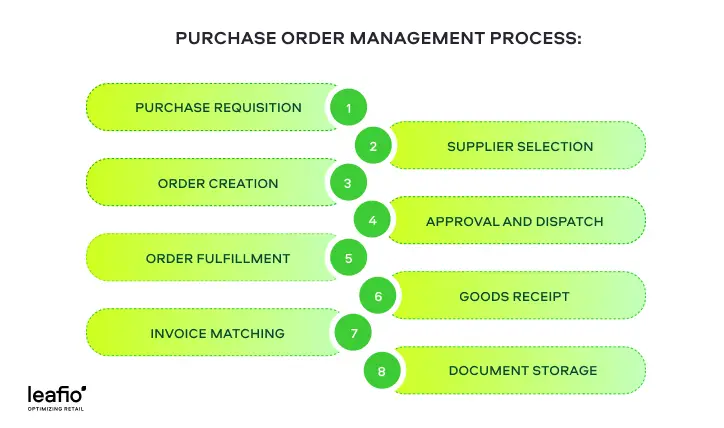
- Purchase requisition. Identify the need for goods by creating a purchase request. This step involves specifying what is required, and ensuring all necessary details are documented to facilitate the subsequent procurement process.
- Supplier selection. Choose suppliers based on criteria like price, quality, minimal order quantity (MOQ), and delivery dates.
- Order creation. Create formal purchase orders detailing items, quantities, prices, and delivery terms.
- Approval and dispatch. Approve and send purchase orders to the selected supplier.
- Order fulfillment. The supplier fulfills the order as agreed.
- Goods receipt. Inspect received goods to ensure they meet quality and quantity requirements.
- Invoice matching. Match received goods with the supplier's invoice for payment processing.
- Document storage. Store all relevant documents for future reference and audits.
As a result, inventory levels are managed in response to fluctuations in business needs, and goods are ordered and received efficiently. The process includes shipment and quality inspection to minimize stockouts and excess inventory. By incorporating effective purchase order management processes, businesses can streamline their procurement activities and enhance the overall efficiency and accuracy in maintaining optimal inventory levels.

How does the purchase order management system work?
A Purchase order management system (POMS) begins its process when a retailer identifies the need for goods and ends when the items are received, inspected, and reconciled. POMSs allow companies to coordinate the entire procurement inventory management process from requisition and supplier selection to order creation and inventory control.
The purchase order management process offers automated replenishment features that enable companies to efficiently manage their purchase orders, minimize manual labor, and reduce the risk of errors in the order management process. By automating demand forecasting and purchase order generation, the system secures timely replenishment and maintains smooth standard operating procedures across all levels of the supply chain.
By interfacing the system with all related purchase order processes, the system also enables tracking of inventory levels, forecasts demand to help prevent overstocking or shortages and more strategic decisions to be made based on accurate data. Automating these tasks and managing purchase orders reduces the time and effort required for manual entry and approval, minimizes errors, and keeps all procurement activities in line with company policy.
Key benefits of implementing POMS in retail
Implementing a purchase order management system (POMS) in retail offers several key benefits:
- Automation. Reduces errors in managing purchase orders, achieves accurate inventory levels, and minimizes overstock or stockouts.
- Streamline workflow. The inventory purchasing software automates several tasks in the procure-to-pay (P2P) cycle, from automatic purchase requests, and order creation to invoice matching, freeing up time for more strategic initiatives.
- Cost efficiency. Enhances cost efficiency by saving on storage and emergency replenishments.
- Supplier relationships. Streamlines communication and ensures timely deliveries.
- Improved visibility. Provides real-time tracking and reporting for informed decision-making and better planning.
- Compliance and audit readiness. Simplifies record-keeping for regulatory compliance and easier audits.
- Scalability. Grows with the business to support increased inventory and procurement needs.
By minimizing manual data entry and automating key order management tasks, purchase order software optimizes the procurement process, boosting productivity, accuracy, and profitability.
Choosing the best purchase оrder software
It's not difficult to see how making the right choice when considering various purchase order solution could be a challenge, as many companies offer diverse system characteristics.
We have identified the main things to watch out for when choosing a purchase order software:

Integration opportunities
Any robust retail procurement software should seamlessly integrate with retail systems and facilitate the automatic calculation of order quantities, their generation, dispatch, and editing based on supplier feedback.
Multichannel
The purchase order management software must effectively manage orders across diverse sales channels like online platforms and marketplaces so that all data is consolidated for comprehensive analyses.
Scalability
Given the fluctuating demand in retail, the purchase order management systems should scale effortlessly to handle varying order volumes and business growth without compromising their efficiency.
Forecasting and reporting
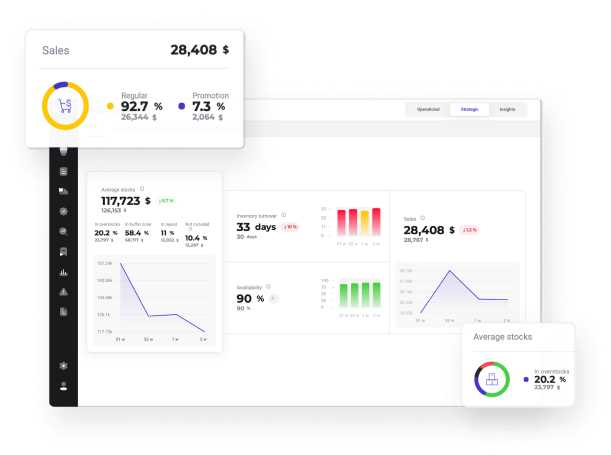
Advanced POMS capabilities make accurate sales analysis and predictive insights possible in anticipating inventory needs and preventing stock shortages.
Automation
Automating purchase order processes, inventory control, and reporting reduces manual workload, enhances operational efficiency, and brings about timely order fulfillment.
Personalization
This includes various modules for specific business processes (e.g., fresh goods management, multi-echelon replenishment) and the flexibility to adapt to the unique needs and demand variations of different retail industries (grocery, pharmacies, liquor stores, etc.).
LEAFIO AI purchase order management system
The automated ordering system such as LEAFIO’s Automated inventory replenishment is an advanced component of inventory optimization software. This system streamlines the ordering process, reduces manual effort, and enhances accuracy and efficiency in inventory management.
Here are the main features:
Demand forecasting
The demand forecasting module is built to handle short-, medium-, and long-term sales forecasts for up to a year. It enables the evaluation of sales variability and warehouse load, enhancing the precision of sales and operational planning. Additionally, it improves the accuracy of seasonal forecasts and promotional planning.
Order generation
Each day, based on the assortment matrix and schedules, a specific number of orders are automatically generated. This process occurs immediately after the demand calculation and is completed before managers start their workday. In larger chains, the number of generated orders can exceed 1,000 items per day.
Orders dispatch
Once orders are generated, they are automatically sent to the client's accounting system and the supplier's email or via EDI. If an internet connection failure prevents dispatch, the user is notified, and the order appears as a task on the manager's desktop for resending.
Automatic order adjustment
Once a supplier receives an order, they provide feedback on the available stock for delivery. If the delivery quantity differs from the ordered amount, this discrepancy is automatically updated in the dispatched orders form. This adjustment also affects the quantity of goods in transit.
Order execution control
Automated stock control systems monitor order delivery times. Managers are alerted if an order is not fulfilled by the expected time. Additionally, information about late or unfulfilled orders is recorded in an analytical report on supplier reliability.
LEAFIO’s Automated inventory replenishment benefits help both line managers and supervisors by reducing resource-intensive tasks. Managers see enhanced efficiency as routine operations are automated, leading to increased product availability, minimized overstocks, and improved turnover through precise demand forecasting.
Summing up
While purchase order management software offers compelling benefits, it's essential for businesses to critically assess their specific needs and downsides before implementation. Factors such as integration capabilities with existing systems, scalability to accommodate future growth, and the ability to customize features according to unique business requirements should be thoroughly evaluated. Decision-makers must also set up adequate employee training and support to maximize the inventory purchasing software's potential and bring about its full benefits.
LEAFIO AI's Automated Inventory Replenishment is a system developed specifically to address all of the above-mentioned factors. After all, the success of any purchase order management system implementation hinges on seamless adoption and effective use across the organization. So optimize your retail operations with LEAFIO's advanced purchase order management software. Schedule a consultation with our experts today to discover how our tailored solutions can enhance efficiency, reduce costs, and drive profitability.
Simply embrace the future of supplier management with LEAFIO's advanced purchase order management solution.
FAQ
Why is purchase order management important?
Purchase order management is crucial for businesses to maintain control over their procurement process. It ensures that orders for goods are accurately documented, authorized, and tracked from initiation to fulfillment. Effective purchase order management helps prevent errors, reduce costs, improve inventory control, and strengthen relationships with suppliers.
What is purchase management and inventory management?
Purchase order management involves the process of acquiring goods needed by a business. It includes activities such as identifying requirements, selecting suppliers, negotiating terms, and placing orders. Inventory management, on the other hand, focuses on overseeing the storage, tracking, and replenishment of goods within a business to ensure adequate stock levels and meet customer demand.
When to order new inventory?
The optimal time to order new inventory should be determined strategically. Businesses can use demand forecasting to predict future needs based on past sales trends and customer behavior. It is also crucial to consider lead time, ensuring timely availability of products by accounting for supplier delivery durations. Additionally, maintaining safety stock acts as a buffer against unexpected demand fluctuations or supply chain delays. Balancing these factors helps businesses efficiently meet customer demand while minimizing the risks of stockouts or excess inventory.
What three factors must be considered when purchasing inventory?
When purchasing inventory, businesses need to consider cost, demand level, and supplier reliability. They should evaluate the price of goods against the budget and financial goals through a detailed purchase requisition process. It's important to ensure that the items meet specified standards and customer expectations as detailed in the purchase request. Additionally, they should assess the reputation and track record of the suppliers in delivering goods on time and as agreed. These considerations are essential for effective purchase order management, ensuring smooth operations and cost savings.
What is purchase order software?
Purchase order software is a digital tool that streamlines the creation, approval, and tracking of purchase orders. It automates procurement processes, enhances accuracy, reduces manual errors, and provides real-time visibility into inventory and supplier management, helping retailers maintain efficient and cost-effective operations.