

Hardware and building materials generated over $1.7 billion in revenue in 2023. The potential for profit in the DIY sector is substantial for the upcoming decade. In this guide, we reveal five game-changing DIY retail display strategies that promise to revolutionize your store's layout, significantly enhancing the shopping experience and driving sales.
Whether you're looking to refine your current setup with an AI-driven DIY inventory management system or overhaul your display approach, this article equips you with the knowledge to make informed, impactful decisions in your merchandising strategies. Continue reading to learn more about the advantages of the newest solutions for DIY retailers and much more.
Key Takeaways
Smart displays in DIY retail increase sales by guiding customers and highlighting value.
Displays should demonstrate product use.
Cross-sell by grouping related items.
Signage answers common customer questions.
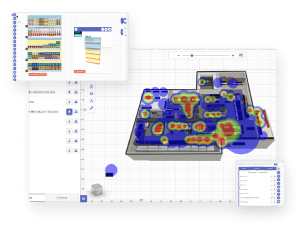
Hot zones can lift slow-moving stock.
Visual appeal drives buying confidence.
Top 5 DIY Retail Display Ideas: Get to the Next Level of Visual Merchandising
In today's DIY stores, there is a shift from simply selling products to creating spaces that inspire and facilitate projects. This evolution demands a focus not just on the products but also on the shopping experience.
Here are five innovative DIY retail display ideas that can transform your store into a haven of inspiration and convenience for every shopper.
#5: Cross-Merchandising Connections
Create zones where related products are displayed together. For example, place floor coverings near adhesives and varnishes, or bathroom furnishings alongside complementary accessories like shelves and hooks. This method makes it easier for customers to find everything they need for a project and increases the likelihood of additional sales of display items.
#4: Interactive and Informative DIY Retail Displays
Leverage technology to make your product retail displays more engaging. DIY display cases include the incorporation of QR codes, touch screens, and augmented reality stations for more advanced hardware merchandising. As a result, customers can view products in different settings or learn how to use them through interactive tutorials. This integration of digital tools helps to inform customers effectively, making the shopping experience both enlightening and boosting visual interest.
#3: Sensory Engagement Zones
Design retail display areas that invite customers to use multiple senses. Set up demo stands where shoppers can touch and feel the textures of materials, hear how quietly a cabinet door closes, or see the true color of paint under different lighting. According to research, engaging multiple senses could have a big impact on the customer's connection to the product and increase the chances of a purchase.
#2: Strategic Product Placement for Impulse Buys
Position seasonal and impulse items strategically around your store — near the entrance, at the end of aisles, or by the checkout area. These spots might attract the most customer attention and can effectively trigger spontaneous purchases. The expert advice is to stock these areas with eye-catching and relevant products to capture customer interest swiftly.
#1: Clear Navigation and Accessibility
Given the diverse and often bulky nature of DIY products, store layout is crucial. Ensure that your aisles are wide enough to accommodate shopping carts and that signs are clear and visible from a distance. Use overhead signage to direct customers to various sections, and consider the layout of shelves to make the most frequently sought items easily accessible.
By adopting these display merchandise strategies, you can create a shopping environment that not only meets the practical needs of your customers but also inspires and facilitates their home improvement projects. This approach will not only enhance the customer experience but also build loyalty and drive sales.
Optimize Your Space: Effective Display Techniques for All DIY Categories
Below, we will explore the features of displaying various products, identified during our cooperation with customers in the DIY segment who utilize our Leafio Shelf Efficiency unified platform for automating the management of shelf space.
Bulky Goods
For oversized, expensive, and individually sold items, it is common practice to display one sample or a stand display of samples. The majority of these goods are stored in warehouses, on specially designated storage shelves, or are available for order from the distribution center.
Prices and specifications of in-stock SKUs are indicated on informational stickers or in nearby paper or digital catalogs. Sales analysis and display effectiveness evaluations are conducted based on the location of the product sample or stand.
Small Goods
Small items can be sold independently or as complements to main products. Correct classification and logical in-store placement are crucial. The primary goal is to assist customers in finding and choosing what they need.
Group the assortment by purpose: doors, windows, and furniture fittings (hardware, dowels, and fasteners), electrical items, and small plumbing products (taps, fittings, and gaskets). Within each category, maintain a clear ranking by type, denomination, or size.
Dry Mixes
Dry mixes are typically stacked in vertical blocks: package under package. Each block corresponds to a certain package volume, and individual blocks are grouped by manufacturer.
Zone the groups according to the stages of repair work. Heavier packages are traditionally placed at the bottom, with lighter ones higher but not above eye level. High-demand materials, such as cement mixtures or fillers, are better positioned deeper into the sales floor so customers encounter other products on the way.
Tiles and Non-Roll Floor Coverings (Parquet, Laminate)
If you run a specialized tile store or a supermarket's large department, use display stands (sliding or tilting) to showcase tiles as they would appear when installed. This setup not only lets customers visualize the result but also facilitates comparison and selection of different SKUs.
Organize tiles by color, manufacturer, and price, and allocate specific areas for new and clearance items, which can be sold individually.
According to Philip H. Mitchell, author of "Discovery-Driven Retail", hardware merchandising can increase margins by showcasing a central product surrounded by related items. This display strategy gives customers ideas on how to use the main product along with the additional ones and encourages them to make more purchases.
Apply similar principles to parquet and laminate, categorizing by durability, moisture resistance, and material. Use compact demo stands, including pull-outs, to save space.
Enhance your hardware merchandising effectiveness by incorporating related products like glues, varnishes, and installation tools alongside main items, exemplifying effective cross-merchandising.
Products for Furnishing the Bathroom
Use realistic installations to demonstrate oversized bathroom products. These DIY retail display ideas are complemented by a selection of related items such as curtains, hooks, and shelves. Position these near the bathroom furniture section, alongside tiles and plumbing fixtures. Smaller stores can enhance displays with catalogs or 3D modeling technologies.
Display ideas for premium products involve setting up showrooms with branded zones. The effectiveness of these spaces depends on thoughtful decoration, appropriate lighting, and staff expertise in customer service.
Wallpaper
Wallpapers are showcased on folding or special racks and crossbars in our DIY retail display, allowing buyers to easily unfold the rolls. The layout is meticulously organized by various characteristics such as manufacturer, roll width, color range, and price category.
Additionally, wallpapers are categorized by material type (vinyl, non-woven, paper) and intended use (for painting, kitchen, bedroom, children's room, borders, decorative elements, etc.). Catalogs and 3D modeling also play a significant role in this merchandise strategy.
For effective merchandising, employ cross-merchandising techniques by placing related products — such as rollers, pallets, and wallpaper glue—nearby, organized by wallpaper type. Enhance the aesthetic with rustic elements to give the wall displays a unique and appealing look.
Long-Length Goods
This category includes lumber, boards, beams, pipes, cable ducts, plinths, and cornices longer than 2 meters. Heavy items should be stored horizontally on special racks or frames. Products shorter than 2 meters, such as pipes, eaves, and plinths, are best displayed on stands with vertical dividers. If space allows, dedicate a small area to showcase additional products within the long-length goods department.
Rolls and Coils
In contrast to long-length goods, smaller-sized roll materials like insulation, waterproofing, and polyethylene film are typically arranged vertically on the floor. Wires, cables, and corrugation coils are either stacked in containers or wound on rotating reels for easier measuring and cutting.
Tools and Equipment
The range of tools and equipment varies from highly specialized to widely used. Their placement should be at waist level or slightly higher to match their purpose and application. This ensures that tools are easily accessible for both examination and safe selection. Key product features should be displayed on price tags.
Safety Precautions
Ensure safety precautions and rules for handling dangerous goods, restrict access for unaccompanied buyers and/or children to certain departments, and manage the operation of technological transport within the sales hall.
Leafio Software: Optimizing Merchandising and Display Management for DIY Stores
LEAFIO AI offers AL-driven cloud-unified software for merchandising management in DIY and home improvement stores.
| Feature | Description |
|---|---|
| Automated Planogram Compliance | Ensures precise planogram compliance, automates tracking and updating of display arrangements, allowing for real-time adjustments. |
| Efficient Use of Display Space | Facilitates the creation of detailed, space-efficient planograms that maximize product visibility and enhance the shopping experience. |
| Interactive 3D Modeling for Layout Planning | Includes tools for 3D modeling of store layouts, helping managers and merchandisers visualize and plan store arrangements before making physical changes. |
| Analytics for Merchandising Effectiveness | Provides robust analytics tools to assess merchandising strategies, identifying successful layouts and offering actionable insights. |
| Enhanced Cross-Merchandising Capabilities | Intelligently suggests complementary products to be displayed together, improving display aesthetics and boosting sales. |
Final Thoughts
As we embrace a new chapter in DIY retail, this guide underscores the critical role of innovative merchandising in boosting customer engagement and sales. DIY stores can significantly enhance their appeal by adopting advanced DIY store display techniques that improve both the aesthetic and functional aspects of retail spaces.
These strategies, centred on layout optimization and customer-focused displays, enable retailers to create an environment that satisfies customer needs and propels business success through DIY retailer centralized store layout management.


Have a question?

Jack Larson
Retail Optimization Expert